Αναζήτηση αυτού του ιστολογίου

Τρίτη 15 Νοεμβρίου 2022

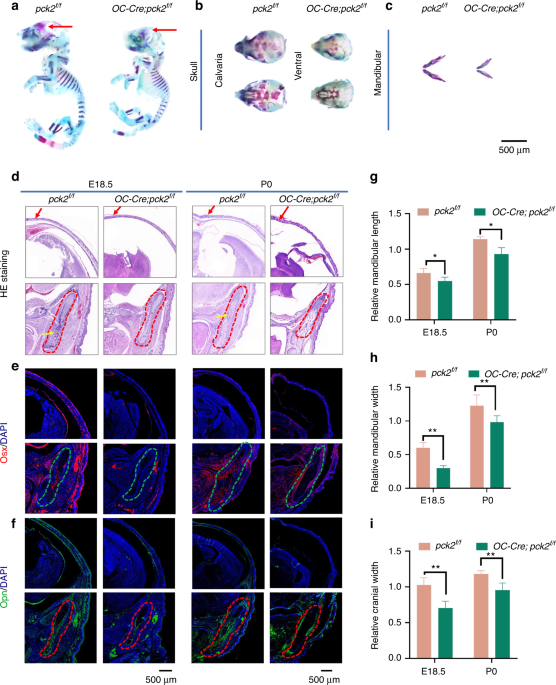
Metformin can mitigate skeletal dysplasia caused by Pck2 deficiency

alexandrossfakianakis shared this article with you from Inoreader

41368_2022_204_Fig1_HTML.png

International Journal of Oral Science, Published online: 15 November 2022; doi:10.1038/s41368-022-00204-1

Metformin can mitigate skeletal dysplasia caused by Pck2 deficiency
View on Web

Management of drug-drug interactions between long-acting cabotegravir and rilpivirine and comedications with inducing properties: a modelling study

alexandrossfakianakis shared this article with you from Inoreader

cid_ogimage.png

Abstract
Background
Long-acting (LA) intramuscular cabotegravir and rilpivirine are prone to drug-drug interactions (DDI). However, given the long dosing interval, the conduct of clinical DDIs studies with LA antiretrovirals is challenging. We performed virtual clinical DDI studies using physiologically based pharmacokinetic (PBPK) modelling to provide recommendations for the management of DDIs with strong or moderate inducers such as rifampicin or rifabutin.
Methods< /div>Each DDI scenario included a cohort of virtual individuals (50% female) between 20-50 years of age with a body mass index of 18-30 kg/m2. Cabotegravir and rilpivirine were given alone and in combination with rifampicin or rifabutin. The predictive performance of the PBPK model to simulate cabotegravir and rilpivirine pharmacokinetics after oral and intramuscular administration and to reproduce DDIs with rifampicin and rifabutin was first verified against available observed clinical data. The verified model was subsequently used to simulate unstudied DDI scenarios.
Results
At steady-state, the strong inducer rifampicin was predicted to decrease the area under the curve (AUC) of LA cabotegravir by 61% and rilpivirine by 38%. An increase in the dosing frequency did not overcome the DDI with rifampicin. The moderate inducer rifabutin was predicted to reduce the AUC of LA cabotegravir by 16% and rilpivirine by 18%. The DDI with rifabutin can be overcome by admi nistering LA cabotegravir/rilpivirine monthly together with a daily oral rilpivirine dose of 25 mg.
Conclusion
LA cabotegravir/rilpivirine should be avoided with strong inducers but coadministration with moderate inducers is possible by adding oral rilpivirine daily dosing to the monthly injection.
View on Web

Survival and complications of zygomatic implants compared to conventional implants reported in longitudinal studies with a follow‐up period of at least 5 years: A systematic review and meta‐analysis

alexandrossfakianakis shared this article with you from Inoreader

Abstract

Background

Zygomatic implants (ZI) have been frequently indicated to rehabilitate patients with extensive atrophies in alternatives to major bone reconstructions. It can be installed inside the maxillary sinus, called instrasinus zygomatic implant (IZI) or outside the maxillary sinus (EZI), depending on the surgery technique.

Objective

To evaluate the survival and complication rates of ZI in longitudinal studies when compared with conventional implants (CI).

Methods

An electronic search was performed in five databases and in Gray literature for articles published until April, 2022. The eligibility criteria comprised observational cohort studies (prospective or retrospective) and randomized clinical trials (RCTs) with at least 5 years of follow-up, reporting survival rate of ZI versus CI. A meta-analysis was conduct with 18 studies.

Results

A total of 5434 implants (2972 ZI and 2462 CI) were analyzed in 1709 patients. The mean survival rate was 96.5% ± 5.02 and 95.8% ± 6.36 for ZI and CI, respectively (mean follow-up time of 78 months). There were observed no statistically significant between ZI and CI in prospective studies (risk ratio [RR] of 1.21; 95% confidence intervals [CIs]: 0.28 to 5.28; chi-squared [Chi2] = 11.37; I 2 = 56%; degrees of freedom [df] = 5; z-score = 0.25; P = 0.80), retrospective studies IZI (RR of 1.29; 95% CIs: 0.52 to 3.23; Chi2 = 4.07; I 2 = 2%; df = 4; z-score = 0.55; P = 0.58) and retrospective studies EZI (RR of 0.72; 95% CIs: 0.31 to 1.66; Chi2 = 1.99; I 2 = 0%; df = 3; z-score = 0.78; P = 0.44). The biological complications most related to ZI was sinusitis, followed by infection and oroantral communication.

Conclusion

ZI have a high long-term survival rate (96.5% with a mean of 91.5 months of follow-up), showing no significant difference when compared with CI. The most prevalent biological complication is sinusitis, being most commonly to the IZI technique. This systematic review (SR) was registered in INPLASY under number INPLASY202280025.

View on Web

A Prospective Study of BurstDRTM Spinal Cord Stimulation for non‐Operated Discogenic Low Back Pain

alexandrossfakianakis shared this article with you from Inoreader

Abstract

Introduction

Chronic discogenic low back pain (CD-LBP) is caused by degeneration of the disc due to trauma to the annulus or by unprovoked degeneration, resulting in chronic pain. Spinal cord stimulation (SCS) employing the BurstDRTM waveform has been shown to be an effective treatment in a variety of chronic pain conditions. The aim of this prospective case study was to determine the effect of BurstDRTM SCS on pain relief, disability, and patient satisfaction in a population with CD-LBP.

Methods

17 subjects with CD-LBP received a SCS trial with BurstDRTM stimulation. Patients with >50% pain relief after a trial period of 2 weeks were permanently implanted (n=15). Patients then rated LBP and leg pain using the numeric rating scale (NRS), Oswestery disability index (ODI), patient global impression of change (PGIC), EQ-5D quality of life and paindetect for neuropathic pain at baseline following trial, 3, 6 and 12 months after permanent implantation.

Results

Treatment with BurstDRTM SCS resulted in significant reduction of LBP as the NRS was reduced from 71.7± 7.3 at baseline to 42.5 ± 18.1 at 12 months. Average pain relief at 12 months was 42.5%. In patients with leg pain (n=8), pain was significantly reduced from 66.9 ± 8.2, to 11.7 ± 10.4 at 12 months. PainDETECT scores for neuropathic pain significantly reduced from 18.9 ± 4.8 at baseline, and 14.8 ± 3.2 at 12 months. Baseline ODI score significantly reduced from 41.2 ± 12.8, to 25.8 ± 8.6 at 12 months. PGIC scores remained low from 2.6 ± 1.6 at 3 months, 2.5 ± 1.0 at 6 months and 2.5 ± 1.3 at 12 months. EQ-5D-5L rates remained constant from baseline 56.10 ± 23.9 to 68.6 ± 12.9 at 12 months.

Conclusion

BurstDRTM SCS resulted in significant reduction of back pain, leg pain and quality of life in patients with CD-LBP and decreased the level of disability and generated positive patient satisfaction scores..

View on Web

Diagnostic Criteria for Temporomandibular Disorders − INfORM recommendations: Comprehensive and short‐form adaptations for children

alexandrossfakianakis shared this article with you from Inoreader

Abstract

Background

The Diagnostic Criteria for Temporomandibular Disorders (DC/TMD) are used worldwide in adults. Until now, no adaptation for use in children has been proposed.

Objective

To present comprehensive and short-form adaptations of Axis I and II of the DC/TMD for adults that are appropriate for use with children in clinical and research settings.

Methods

Global Delphi studies with experts in TMDs and in pain psychology identified ways of adapting the DC/TMD for children.

Results

The proposed adaptation is suitable for children aged 6−9 years. Proposed changes in Axis I include (i) adapting the language of the Demographics and the Symptom Questionnaires to be developmentally appropriate for children, (ii) adding a general health questionnaire for children and one for their parents, (iii) replacing the TMD Pain Screener with the 3Q/TMD questionnaire, and (iv) modifying the clinical examination protocol. Proposed changes in Axis II include (i) for the Graded Chronic Pain Scale, to be developmentally appropriate for children, and (ii) adding anxiety and depression assessments that have been validated in children, and (iii) adding three constructs (stress, catastrophizing, and sleep disorders) to assess psychosocial functioning in children.

Conclusion

The recommended DC/TMD, including Axis I and Axis II, for children aged 6−9 years, is appropriate for use in clinical and research settings. This adapted first version for children includes changes in Axis I and Axis II changes requiring reliability and validity testing in international settings. Official translations to different languages according to INfORM requirements will enable a worldwide dissemination and implementation.

View on Web

Accurate occlusion-driven maxillary reconstruction with deep circumflex iliac artery flap using computer-assisted techniques and intraoral anastomosis: a case series study

alexandrossfakianakis shared this article with you from Inoreader
The aim of this study was to evaluate the feasibility and accuracy of occlusion-driven maxillary reconstruction with the deep circumflex iliac artery (DCIA) flap, using computer-assisted design and manufacturing (CAD/CAM) technology and intraoral anastomosis. The data of 11 patients who underwent occlusion-driven maxillary reconstruction with this method between December 2018 and December 2020 in the Department of Oral and Maxillofacial Surgery, Peking University School and Hospital of Stomatology were reviewed retrospectively. (Source: International Journal of Oral and Maxillofacial Surgery)
View on Web

Gastrectomy Versus Esophagectomy for Gastroesophageal Junction Tumors: Short- and Long-Term Outcomes From the Dutch Upper Gastrointestinal Cancer Audit

alexandrossfakianakis shared this article with you from Inoreader
imageObjective: Investigate long-term survival, morbidity, mortality, and pathology results in patients following esophagectomy or total gastrectomy for gastroesophageal junction (GEJ) cancer. Background: Both a total gastrectomy and an esophagectomy may be valid treatment options in patients with GEJ cancer. Which procedure results in the most optimal patient outcome is not well studied. The aim of this study was to investigate the long-term survival, morbidity, mortality, and pathology results in patients following esophagectomy or total gastrectomy for GEJ cancer. Methods: A retrospective comparative cohort study of prospectively collected data from the Dutch Upper GI Cancer Audit combined with survival data of the Dutch medical insurance database was performed. Patients with GEJ cancer in whom a total gastrectomy or an esophagectomy was performed between 2011 and 2016 were compared. The primary outcome was 3-year overall survival. Postoperative morbidity, mortality, 3-year conditional survival, radicality of resection, and lymph node yield were secondary endpoints. Results: A total of 871 patients were included: 790 following esophagectomy and 81 following gastrectomy. The 3-year overall survival was 35.8% after esophagectomy and 28.4% after gastrectomy (hazard ratio 1.2, 95% confidence interval 0.721–1.836, P = 0.557). Postoperative morbidity, mortality, radicality of resection, lymph node yield, and 3-year conditional survival did not differ significantly between groups. Conclusion: A total gastrectomy and an esophagectomy for GEJ cancer show largely comparable results with regard to long-term survival, postoperative morbidity, mortality, and pathology results. If both procedures are feasible, other parameters such as surgeon's experience and quality of life should be considered when planning for surgery.
View on Web

Δευτέρα 14 Νοεμβρίου 2022

TMIC-39. TARGETING EXTRACELLULAR MATRIX HYALURONIC ACID-CD44 SIGNALING REDUCES TUMOR STEMNESS AND SENSITIZES TUMOR TO VIROTHERAPY AND ENHANCES THERAPEUTIC POTENTIAL FOR CANCER TREATMENT

alexandrossfakianakis shared this article with you from Inoreader
Abstract
The tumor microenvironment (TME), including the non-tumor cells and the extracellular matrix (ECM) plays a crucial role in tumor progression and metastasis. Hyaluronic acid (HA), the major glycosaminoglycan present in brain ECM, has long been associated with the progression and invasiveness of brain tumors. HA signals primarily thorough CD44, an adhesion/homing receptor leading to the induction of cellular AKT, MEK and HIF signaling, thereby promoting tumor cell proliferation, aggressiveness and therapy resistance. While HA in the ECM has been shown to interfere with infection and spread of oncolytic viruses, the impact of tumor-ECM interaction induced signaling on oncolytic virotherapy is heavily understudied. RNA sequencing and gene set enrichment analysis of glioma cells infected with an oncolytic Herpes Simplex Virus-1 (oHSV) demonstrate an enrichment of pathways related to tumor-ECM interaction. Immunostaining of brain sections from intracra nial tumor bearing mice also reveals increased HA after oHSV treatment. Our results further demonstrate that HA/CD44-mediated signaling inhibits virus replication in vitro. Herein, to evaluate the impact of blocking tumor-ECM interactions without altering the secreted ECM, we created oHSV-sCD44, an oHSV that encodes for extracellular soluble CD44 (sCD44) that can function as a dominant negative receptor for membrane bound CD44. oHSV-sCD44 significantly reduces the stemness of glioblastoma stem cells (GSCs), induces DNA damage and sensitizes the GSCs to radiation therapy. Intra-tumoral injection of oHSV-sCD44 into patient-derived primary GBM xenograft model significantly inhibits tumor growth accompanied by reduced stemness and decreased HA expression, and increased oHSV replication and tumor cell lysis in TME. Moreover, blocking HA-CD44 signaling with a single dose of oHSV-sCD44 in murine glioma syngeneic model induces the development of a significant anti-tumor immune response with enhanced T cell infiltration. Collectively, our findings implicate oHSV-sCD44 as a potential oncolytic and immune-stimulating anticancer therapeutic.
View on Web

MODL-06. ASSESSMENT OF ONCOLYTIC VIRUS SPECIFICITY AND CYTOTOXICITY IN A HYBRID GLIOBLASTOMA-CEREBRAL ORGANOID MODEL

alexandrossfakianakis shared this article with you from Inoreader

We are sorry, but we are experiencing unusual traffic at this time. Please help us confirm that you are not a robot and we will take you to your content.

View on Web

CTIM-13. LOCAL ADOPTIVE CELLULAR IMMUNOTHERAPY WITH CYTOKINE-INDUCED KILLER (CIK) CELLS FOR HIGH GRADE GLIOMAS: A PILOT STUDY WITH LONG-TERM FOLLOW-UP AND POTENTIAL FACTORS FOR SURVIVAL BENEFITS

alexandrossfakianakis shared this article with you from Inoreader
Abstract
BACKGROUND
Immunotherapy is emerging as a promising approach for the treatment of high grade gliomas (HGGs). We reported the long-term follow-up of 6 HGG patients treated by local administration of autologous cytokine-induced killer (CIK) cells through Ommaya reservoirs implanted into the tumor cavity following operation. Meanwhile, Gene expression profiles and immune microenvironments of tumors were further compared between the long-term and short -term survivors.
METHODS
Clinicopathological characteristics and outcomes of patients were reviewed and updated. Gene expression profiles, expressions of cytokines and infiltrations of immune cells in tumors were investigated by RNA sequencing, an electrochemiluminescence assay and immunohistochemistry staining, respectively
RESULTS
Fever and symptoms of encephaledema occurred in 5 patients after local administration of CIK cells, and could be efficiently relieved by mannito l and dexamethasone. Four patients died from progressive disease during follow-up, and their overall survival ranged from 6 to 26 months. Remarkably, 2 patients have survived more than 200 months without evidence of recurrence. Comparing with the tumors of the short-term survivors, 353 genes which were highly associated with tumor microenvironment immune were differentially expressed (false discovery rate (FDR) < 0.05 and log2 fold change (FC) ≥ 1) in the tumor of the long-term survivor. Higher expressions of cytokines, especially IL-8 and IL-10, were observed in the tumor of the long-term survivor, while the infiltrations of M2 polarized macrophages were significantly higher in the tumors of short-term survivors.
CONCLUSION
Long-term survival of HGG patients could achieve after local administration of CIK cells into tumor cavity postoperatively. High expressions of cytokines and low infiltrations of M2 polarized macrophages in the tumors potentially benefited the CIK cell therapy.
View on Web