Αναζήτηση αυτού του ιστολογίου

Τρίτη 25 Οκτωβρίου 2022

Second‐degree burn induced by high‐concentration topical capsaicin with mobility sequelae: a case report

alexandrossfakianakis shared this article with you from Inoreader

Abstract

High-concentration topical capsaicin is used as a second line treatment for neuropathic pain. Transient, mild burning sensation and erythema are expected adverse drug reactions. Here, we report the first case of second degree burn after the application of a high-concentration topical capsaicin patch with secondary mobility sequelae. Nine months after the application, neuropathic pain still remained and the patient described mobility difficulties in daily activities, preventing her from returning to work. This report aims to raise the question of the benefit/risk ratio of high concentration topical capsaicin.

View on Web

Effect of adhesive strategy on resin cement bonding to dentin

alexandrossfakianakis shared this article with you from Inoreader

Abstract

Objective

The cement bonding strategy and the polymerization mode can influence the prognosis of indirect restorations. The microtensile bond strength (μTBS) and dentin endogenous enzymatic activity of a dual-cure resin cement (PV5) used in combination with two dentin surface conditioners (accelerator-enhancer primer, TP or universal adhesive, UA) were evaluated.

Materials and Methods

PV5 was used to lute composite overlays after dentin treatment with TP or UA. The resin cement was self-cured, SC (1 h at 37 °C) or dual-cured, DC (20 s light-cure followed by 15 min self-cure at 37°C). The μTBS test, fractographic analysis, and the in situ zymography evaluations were performed after 24 h (T 0) or 1 yr (T 12) of artificial storage. Data were statistically analyzed (α = 0.05).

Results

TP/DC obtained the highest adhesive strengths (45 ± 9 and 36.6 ± 8), while UA/SC (17 ± 8 and 11 ± 4) the lowest, both at T 0 and T 12, respectively. DC resulted in superior bonding values than the SC, independent of the dentin surface treatment (p < 0.05). The type of adhesive, curing mode and aging influenced the gelatinolytic activity (p < 0.05).

Conclusions

The dual-cure resin cement used in combination with its accelerator-enhancer primer showed superior bonding performances with respect to universal adhesive. Dual-curing the resin cement was determinant to enhance bonding capability over time, independent of the adhesive strategy.

Clinical Relevance

Clinicians must be aware to faithfully follow manufacturer's recommendation regarding the adhesive strategy suggested with the resin cement used.

View on Web

Tone in Noise Detection in Children with a History of Temporary Conductive Hearing Loss

alexandrossfakianakis shared this article with you from Inoreader
AbstractChildren with a history of temporary conductive hearing loss (CHL) during early development may show long-term impairments in auditory processes that persist after restoration of normal audiometric hearing thresholds. Tones in noise provide a simplified paradigm for studying hearing in noise. Prior research has shown that adults with sensorineural hearing loss may alter their listening strategy to use single-channel energy cues for tone-in-noise (TIN) detection rather than rove-resistant envelope or spectral profile cues. Our objective was to determine the effect of early CHL on TIN detection in healthy children compared to controls. Children ages 4 –7 years, with and without a history of CHL due to otitis media with effusion (OME) before age 3 years, participated in a two-alte...
View on Web

Δευτέρα 24 Οκτωβρίου 2022

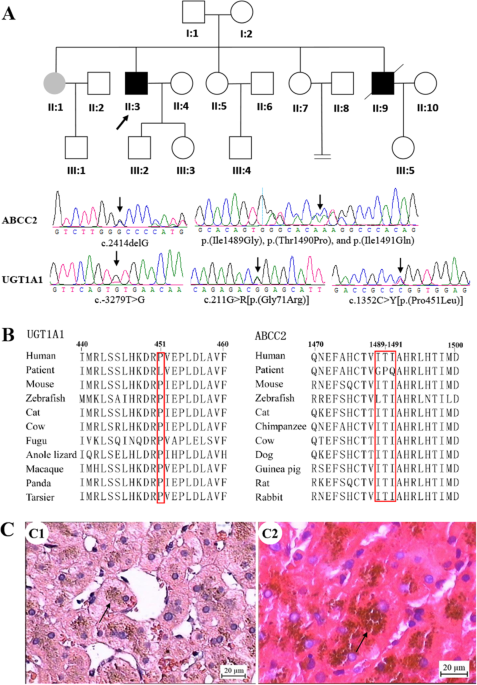
Concurrence of novel mutations causing Gilbert’s and Dubin–Johnson syndrome with poor clinical outcomes in a Han Chinese family

alexandrossfakianakis shared this article with you from Inoreader

10038_2022_1086_Fig1_HTML.png

Journal of Human Genetics, Published online: 24 October 2022; doi:10.1038/s10038-022-01086-1

Concurrence of novel mutations causing Gilbert's and Dubin–Johnson syndrome with poor clinical outcomes in a Han Chinese family
View on Web

Association between circulating 25‐hydroxyvitamin D metabolites and periodontitis: Results from the NHANES 2009‐2012 and Mendelian randomization study

alexandrossfakianakis shared this article with you from Inoreader

Abstract

Aim

This study sought to investigate associations of 25(OH)D metabolites with periodontitis, and to assess causality using Mendelian randomization (MR).

Methods

This study included 7,246 participants of the National Health and Nutrition Examination Survey, 2009–2012. The association of periodontitis with 25(OH)D metabolites was assessed using multivariable logistic regression analysis. 2-sample MR for 25(OH)D, 25(OH)D3, and C3-epi-25(OH)D3 with periodontitis (n = 17,353 cases/28,210 controls) was conducted. The principal analysis was inverse-variance-weighted approach. We controlled for horizontal pleiotropy using five additional methods.

Results

Based on the observational study, each 1-point increase in standard deviation of 25(OH)D lowered the risk of periodontitis by 15% (OR = 0.85, 95% CI: 0.78–0.93, P = 0.006) after multivariable adjustment. A similar relationship was observed between 25(OH)D3 and periodontitis (OR = 0.88, 95% CI: 0.80–0.97, P = 0.031). Furthermore, a potential nonlinear association was found between periodontitis with both 25(OH)D and 25(OH)D3. However, C3-epi-25(OH)D3 was not found to be associated with periodontitis risk. IVW-MR showed that periodontitis risk was not significantly associated with genetically increased levels of 25(OH)D (OR = 1.02, 95% CI: 0.90–1.16, P = 0.732), 25(OH)D3 (OR = 1.04, 95% CI: 0.93–1.17, P = 0.472), and C3-epi-25(OH)D3 (OR = 1.11, 95% CI: 0.87–1.41, P = 0.400). The pleiotropy-robust MR approaches yielded similar results after we had eliminated the variants with horizontal pleiotropy risk.

Conclusion

Cross-sectional observational analysis identified significant relationships between periodontitis with 25(OH)D metabolites, while findings based on MR study do not support a causal role.

This article is protected by copyright. All rights reserved.

View on Web

Κυριακή 23 Οκτωβρίου 2022

Small extravesicular microRNA in head and neck squamous cell carcinoma and its potential as a liquid biopsy for early detection

alexandrossfakianakis shared this article with you from Inoreader

Abstract

Background

The objective was to assess secretion of small extracellular vesicular microRNA (exo-miRNA) in head and neck squamous cell carcinoma (HNSCC) according to human papillomavirus (HPV) status, and determine the translational potential as a liquid biopsy for early detection.

Methods

This study employed a combination of cell culture and case–control study design using archival pretreatment serum. Small extracellular vesicles (sEV) were isolated from conditioned culture media and human serum samples via differential ultracentrifugation. miRNA-sequencing was performed on each sEV isolate.

Results

There were clear exo-miRNA profiles that distinguished HNSCC cell lines from nonpathologic oral epithelial control cells. While there was some overlap among profiles across all samples, there were apparent differences in exo-miRNA profiles according to HPV-status. Importantly, differential exo-miRNA profiles were also apparent in serum from early-stage HNSCC cases relative to cancer-free controls.

Conclusions

Our findings indicate that exo-miRNA are highly dysregulated in HNSCC and support the potential of exo-miRNA as biomarkers for HNSCC.

View on Web

Abnormal Laryngopharyngeal Sensation in Adductor Laryngeal Dystonia Compared to Healthy Controls

alexandrossfakianakis shared this article with you from Inoreader
Abnormal Laryngopharyngeal Sensation in Adductor Laryngeal Dystonia Compared to Healthy Controls

Laryngopharyngeal sensation is increased in adductor laryngeal dystonia compared to controls. The identification of increased laryngeal hypersensitivity in these patients may improve understanding of AdLD pathophysiology and identify future targets for intervention.


Background/Objectives

Laryngeal sensory abnormality has been implicated as a component of adductor laryngeal dystonia (AdLD). The study objective was to assess laryngopharyngeal sensation in AdLD utilizing a calibrated, tactile aesthesiometer to deliver differential stimuli to lateral pyriform sinus (LPS), aryepiglottic fold (AEF), and false vocal fold (FVF).

Methods

Patients with known Botox-responsive AdLD underwent sensory testing using a previously-validated methodology involving calibrated tactile stimuli (6–0, 5–0, 4.5–0, 4–0 nylon monofilaments). Laryngeal adductor reflex (LAR) and participant-rated perceptual strength of stimulI were evaluated. Responses were compared to normative controls (n = 33). Two-samples, Mann–Whitney and Fisher exact tests compared mean strength ratings and LAR between AdLD and control groups. Mixed-effects logistic regression and linear models assessed association of filament size, stimulus site, age, sex, and LD status on LAR and perceptual strength rating respectively.

Results

Thirteen AdLD patients (nine women, mean age 60+/−15 years) completed testing. Average LAR response rates were higher amongst all filament sizes in AdLD versus controls at LPS (56.3% vs. 35.7%) and AEF (96.1% vs. 70.2%) with comparable rates at FVF (90.2% vs. 91.7%). AdLD had 3.3 times the odds of observed LAR compared to controls (p = 0.005), but differences in subjective detection of stimuli, perceptual strength ratings, and cough/gag rates were insignificant on multivariate modeling (p > 0.05).

Conclusions

This is the first study to objectively assess laryngopharyngeal sensation in AdLD. Findings demonstrated increased laryngopharyngeal sensation in AdLD compared to controls. The identification of increased laryngeal hypersensitivity in these patients may improve understanding of AdLD pathophysiology and identify future targets for intervention.

Level of Evidence

2 Laryngoscope, 2022

View on Web

A minimally invasive method for titanium mesh fixation with resorbable sutures in guided bone regeneration: A retrospective study

alexandrossfakianakis shared this article with you from Inoreader

Abstract

Objectives

Titanium mesh has become a mainstream choice for guided bone regeneration (GBR) owing to its excellent space maintenance. However, the traditional fixation method using titanium screws impacts surgery efficiency and increases patient trauma. We report a novel method of fixing a titanium mesh using resorbable sutures. We assessed the feasibility of resorbable sutures for fixing a titanium mesh and whether it can serve as a stable, universal, and minimally invasive fixation method for a broader application of titanium meshes.

Methods

Patients undergoing GBR with a digital titanium mesh fixed using titanium screws (TS group) and resorbable sutures (RS group) were observed at different time points. The stability of the fixation methods was evaluated on parameters such as titanium mesh spatial displacement, bone augmentation, and bone resorption.

Results

A total of 36 patients were included in this study. The exposure rate of the titanium mesh in the TS group was 16.67%, while no exposure was noted in the RS group. There was no significant difference in the parameters of titanium mesh spatial displacement, bone augmentation, and bone resorption between the two groups (p > 0.05).

Conclusion

The use of resorbable sutures for fixing a titanium mesh can achieve similar results to traditional fixation using titanium screws. Although this new fixation method can improve the efficiency of the surgery and reduce the risk of complications, the long-term clinical effects require further follow-up investigation.

View on Web

human monkeypox (hMPXV) re‐emergence: host immunity status and current vaccines landscape

alexandrossfakianakis shared this article with you from Inoreader

Abstract

Monkeypox virus is a member of the Orthopoxvirus genus and the Poxviridae family. Orthopoxviruses are among the most intricate animal viruses. The pathogenicity of human monkeypox infection has been emphasized in response to its recent emergence in non-endemic countries and the threat of bioterrorism. It is always necessary to take appropriate precautions in exposure to emerging or re-emerging infections. Here, we focus on the current state of the human monkeypox infection outbreak, research & development of immunity responses and clinical interventions to prevent and treat human monkeypox virus and other human poxviruses.

This article is protected by copyright. All rights reserved.

View on Web

Do cone‐beam computed tomography low‐dose protocols affect the evaluation of the temporomandibular joint?

alexandrossfakianakis shared this article with you from Inoreader

Abstract

Background

There is no established acquisition protocol based on scientific evidence for the acquisition of cone-beam computed tomography (CBCT) exams to evaluate the temporomandibular joint (TMJ).

Objectives

To evaluate the influence of acquisition protocols and jaw positioning on the diagnostic accuracy of TMJ condylar morphological alterations (CMA), dimension, position, and excursion.

Methods

Thirty-six TMJs on 18 dry skulls were imaged using a CBCT unit (OP300 Maxio, Instrumentarium, Tuusula, Finland) at two exposure settings (4.5 and 6.3 mA), three voxel resolutions (0.085, 0.125 and 0.280 mm), three jaw positions (concentric, anteriorized and posteriorized) and three jaw excursions (normoexcursion, hyperexcursion and hypoexcursion). The macroscopic anatomy examination and high-resolution CBCT images were used as ground truth for CMA. Twenty-five TMJs had at least one CMA with 11 healthy TMJs serving as controls. Three experienced oral and maxillofacial radiologists evaluated the parasagittal images for the presence of CMA, position, and excursion and measured dimensions. The area under the ROC curve, sensitivity, and specificity were calculated. Weighted Kappa (α=0.05) was used to determine intra- and inter-examiner reliability and comparisons between dependent variables analyzed by Analysis of Variance at an a prior level of significance of 0.05.

Results

The agreement of the evaluation of the position and excursion with the reference standard was high, independent of the protocol (range, 0.75-0.91). Various combinations of acquisition protocols and jaw position did not influence the CMA evaluation. Erosion was overdiagnosed in protocols with larger voxel sizes, and the detection of osteophytes greater in images with smaller voxel sizes. The anteroposterior dimension was greater in the open jaw position (p<0.05).

Conclusion

CBCT protocols using reduced radiation exposure from the CBCT machine evaluated in this study can be used to assess condylar morphology, dimension, position, and excursion, without compromising diagnostic performances for these parameters.

View on Web