Αναζήτηση αυτού του ιστολογίου

Τετάρτη 10 Αυγούστου 2022

The Interplay of Long Non‐Coding RNAs and Hepatitis B Virus

alexandrossfakianakis shared this article with you from Inoreader

ABSTRACT

Hepatitis B Virus (HBV) infections remain a major global health burden with an estimated 296 million people living with a chronic infection and 884,00 HBV-related deaths annually. Notably, patients with a chronic hepatitis B (CHB) infection are at a 30-fold greater risk of developing hepatocellular carcinoma (HCC), the 3rd deadliest cancer worldwide. Several groups have assessed HBV-related aberrant expression of host-cell long non-coding RNAs (lncRNAs) and how altered expression of specific lncRNAs affects HBV replication and progression to associated disease states. Given the challenges in establishing effective HBV models and analyzing transcriptomic data, this review focuses on lncRNA expression data primarily collected from clinical patient samples and primary human hepatocytes (PHHs), with subsequent mechanism of action analysis in cell lines or other model systems. Ultimately, understanding HBV-induced lncRNA-expression dysregulation could lead to new treatments and biomarkers for HBV infection and its associated diseases.

This article is protected by copyright. All rights reserved.

View on Web

A Two-stage Approach for Rapid Assessment of the Proportion Achieving Viral Suppression Using Routine Clinical Data

alexandrossfakianakis shared this article with you from Inoreader
imageBackground: Improving viral suppression among people with HIV reduces morbidity, mortality, and transmission. Accordingly, monitoring the proportion of patients with a suppressed viral load is important to optimizing HIV care and treatment programs. But viral load data are often incomplete in clinical records. We illustrate a two-stage approach to estimate the proportion of treated people with HIV who have a suppressed viral load in the Dominican Republic. Methods: Routinely collected data on viral load and patient characteristics were recorded in a national database, but 74% of patients on treatment at the time of the study did not have a recent viral load measurement. We recruited a subset of these patients for a rapid assessment that obtained additional viral load measurements. We combined results from the rapid assessment and main database using a two-stage weighting approach and compared results to estimates obtained using standard approaches to account for missing data. Results: Of patients with recent routinely collected viral load data, 60% had a suppressed viral load. Results were similar after applying standard approaches to account for missing data. Using the two-stage approach, we estimated that 77% (95% confidence interval [CI] = 74, 80) of those on treatment had a suppressed viral load. Conclusions: When assessing the proportion of people on treatment with a suppressed viral load using routinely collected data, applying standard approaches to handle missing data may be inadequate. In these settings, augmenting routinely collected data with data collected through sampling-based approaches could allow more accurate and efficient monitoring of HIV treatment program effectiveness.
View on Web

A Phase I/II Study of Intrathecal Trastuzumab in HER-2 Positive Cancer with Leptomeningeal Metastases: Safety, Efficacy, and Cerebrospinal Fluid Pharmacokinetics

alexandrossfakianakis shared this article with you from Inoreader
Abstract
Background
Patients with human epidermal growth factor receptor 2-positive (HER2-positive) cancers have a high incidence of central nervous system (CNS) spread, but unfortunately systemic trastuzumab which targets the HER2 receptor has little CNS penetration. The purpose of this study was to determine the maximum tolerated dose of intrathecal trastuzumab and its efficacy in patients with HER2-positive LMD.
Methods
This multicenter study enrolled 34 LMD patients in a combined Phase I/II study in treating patients with intrathecal trastuzumab. Any HER2-positive histology was allowed in the Phase I; the Phase II was limited to HER2-positive breast cancer.
Results
Intrathecal trastuzumab was well tolerated, with one dose limiting toxicity of grade 4 (arachnoiditis) occurring at the 80 mg twice weekly dose. The recommended Phase II dose was 80 mg intrathecally twice weekly. Twenty-six patients at dose level 80mg w ere included in evaluation for efficacy: partial response was seen in 5 (19.2%) patients, stable disease was observed in 13 (50.0%), and 8 (30.8%) of the patients had progressive disease. Median overall survival (OS) for Phase 2 dose treated patients was 8.3 months (95% CI 5.2 to 19.6). The Phase II HER2-positive breast cancer patients median OS was 10.5 months (95% CI 5.2 to 20.9). Pharmacokinetic (PK) studies were limited in the setting of concurrent systemic trastuzumab administration, however, did show stable CSF concentrations with repeated dosing suggest that trastuzumab does not accumulate in the CSF in toxic concentrations.
Conclusion
This study suggests promise for potentially improved outcomes of HER-positive LMD patients when treated with intrathecal trastuzumab while remaining safe and well-tolerated for patients.
View on Web

Τρίτη 9 Αυγούστου 2022

Evaluation of Virtual Grid Processed Clinical Chest Radiographs

alexandrossfakianakis shared this article with you from Inoreader
imageObjectives We evaluated the different Virtual Grid software ratios (Fujifilm, Tokyo, Japan) on gridless clinical chest radiographs with visual grading analysis (VGA). In addition, we investigated the 2 image quality assessment algorithms (IQAAs). Materials and Methods Gridless chest radiographs of 50 different intensive care unit patients were collected and afterward processed with Virtual Grid software. Different software (SW) grid ratios—6:1, 10:1, 13:1, 17:1, and 20:1—were applied to investigate the image quality (IQ) improvement. Image quality improvement was assessed by 4 radiologists in a relative VGA study where the reference image was processed with SW grid ratio of 10:1. One of the IQAAs used to analyze the radiographs was implemented in our department but was originally developed by the research group of the Duke University Medical Center. A general IQ score (IQS) was calculated based on contrast, detail, and noise. Another IQAA—NIQE (naturalness image quality evaluator)—available in Matlab (MATLAB Research R2019b; the MathWorks, Inc) was evaluated. Both methods were compared with VGA. Results Visual grading analysis scores of gridless radiographs are significantly lower (P
View on Web

Assessing the Sensitivity of Dual-Energy Computed Tomography 3-Material Decomposition for the Detection of Gout

alexandrossfakianakis shared this article with you from Inoreader
imageObjectives The aim of this study was to assess the accuracy and precision of a novel application of 3-material decomposition (3MD) with virtual monochromatic images (VMIs) in the dual-energy computed tomography (DECT) assessment of monosodium urate (MSU) and hydroxyapatite (HA) phantoms compared with a commercial 2-material decomposition (2MD) and dual-thresholding (DT) material decomposition methods. Materials and Methods Monosodium urate (0.0, 3.4, 13.3, 28.3, and 65.2 mg/dL tubes) and HA (100, 400, and 800 mg/cm3 tubes) phantoms were DECT scanned individually and together in the presence of the foot and ankle of 15 subjects. The raw data were decomposed with 3MD-VMI, 2MD, and DT to produce MSU-only and HA-only images. Mean values of 10 × 10 × 10–voxel volumes of interest (244 μm3) placed in each MSU and HA phantom well were obtained and compared with their known concentrations and across measurements with subjects' extremities to obtain accuracy and precision measures. A statistical difference was considered significant if P
View on Web

Fluid and White Matter Suppression: New Sensitive 3 T Magnetic Resonance Imaging Contrasts for Cortical Lesion Detection in Multiple Sclerosis

alexandrossfakianakis shared this article with you from Inoreader
imageObjective Cortical lesions are common in multiple sclerosis (MS), but their visualization is challenging on conventional magnetic resonance imaging. The uniform image derived from magnetization prepared 2 rapid acquisition gradient echoes (MP2RAGEuni) detects cortical lesions with a similar rate as the criterion standard sequence, double inversion recovery. Fluid and white matter suppression (FLAWS) provides multiple reconstructed contrasts acquired during a single acquisition. These contrasts include FLAWS minimum image (FLAWSmin), which provides an exquisite sensitivity to the gray matter signal and therefore may facilitate cortical lesion identification, as well as high contrast FLAWS (FLAWShco), which gives a contrast that is similar to one of MP2RAGEuni. In this study, we compared the manual detection rate of cortical lesions on MP2RAGEuni, FLAWSmin, and FLAWShco in MS patients. Furthermore, we assessed whether the combined detection rate on FLAWSmin and FLAWShco was superior to MP2RAGEun i for cortical lesions identification. Last, we compared quantitative T1 maps (qT1) provided by both MP2RAGE and FLAWS in MS lesions. Materials and Methods We included 30 relapsing-remitting MS patients who underwent MP2RAGE and FLAWS magnetic resonance imaging with isotropic spatial resolution of 1 mm at 3 T. Cortical lesions were manually segmented by consensus of 3 trained raters and classified as intracortical or leukocortical lesions on (1) MP2RAGE uniform/flat images, (2) FLAWSmin, and (3) FLAWShco. In addition, segmented lesions on FLAWSmin and FLAWShco were merged to produce a union lesion map (FLAWSmin + hco). Number and volume of all cortical, intracortical, and leukocortical lesions were compared among MP2RAGEuni, FLAWSmin, and FLAWShco using Friedman test and between MP2RAGEuni and FLAWSmin + hco using Wilcoxon signed rank test. The FLAWS T1 maps were then compared with the reference MP2RAGE T1 maps using relative differences in percentage. In an exploratory analysis, individual cortical lesion counts of the 3 raters were compared, and interrater variability was quantified using Fleiss ϰ. Results In total, 633 segmentations were made on the 3 contrasts, corresponding to 355 cortical lesions. The median number and volume of single cortical, intracortical, and leukocortical lesions were comparable among MP2RAGEuni, FLAWSmin, and FLAWShco. In patients with cortical lesions (22/30), median cumulative lesion volume was larger on FLAWSmin (587 μL; IQR, 1405 μL) than on MP2RAGEuni (490 μL; IQR, 990 μL; P = 0.04), whereas there was no difference between FLAWSmin and FLAWShco, or FLAWShco and MP2RAGEuni. FLAWSmin + hco showed significantly greater numbers of cortical (median, 4.5; IQR, 15) and leukocortical (median, 3.5; IQR, 12) lesions than MP2RAGEuni (median, 3; IQR, 10; median, 2.5; IQR, 7; both P

View on Web

Effective Spatial Resolution of Photon Counting CT for Imaging of Trabecular Structures is Superior to Conventional Clinical CT and Similar to High Resolution Peripheral CT

alexandrossfakianakis shared this article with you from Inoreader
imageObjectives Photon counting computed tomography (PCCT) might offer an effective spatial resolution that is significantly improved compared with conventional state-of-the-art computed tomography (CT) and even provide a microstructural level of detail similar to high-resolution peripheral CT (HR-pQCT). The aim of this study was to evaluate the volumetric effective spatial resolution of clinically approved PCCT as an alternative to HR-pQCT for ex vivo or preclinical high-resolution imaging of bone microstructure. Materials and Methods The experiment contained 5 human vertebrae embedded in epoxy resin, which were scanned 3 times each, and on 3 different clinical CT scanners: a PCCT (Naeotom Alpha), a dual-energy CT (Somatom Force [SF]), and a single-energy CT (Somatom Sensation 40 [S40]), all manufactured by Siemens Healthineers (Erlangen, Germany). Scans were performed with a tube voltage of 120 kVp and, to provide maximum scan performance and minimum noise deterioration, with exposures of 1500 mAs (SF), 2400 mAs (S40), and 4500 mAs (PCCT) and low slice increments of 0.1 (PCCT) and 0.3 mm (SF, S40). Images were reconstructed with sharp and very sharp bone kernels, Br68 and Br76 (PCCT), Br64 (SF), and B65s and B75h (S40). Ground truth information was obtained from an XtremeCT scanner (Scanco, Brüttisellen, Switzerland). Voxel-wise comparison was performed after registration, calibration, and resampling of the volumes to isotropic voxel size of 0.164 mm. Three-dimensional point spread- and modulation-transfer funct ions were calculated with Wiener's deconvolution in the anatomical trabecular structure, allowing optimum estimation of device- and kernel-specific smoothing properties as well as specimen-related diffraction effects on the measurement. Results At high contrast (modulation transfer function [MTF] of 10%), radial effective resolutions of PCCT were 10.5 lp/cm (minimum resolvable object size 476 μm) for kernel Br68 and 16.9 lp/cm (295 μm) for kernel Br76. At low contrast (MTF 5%), radial effective spatial resolutions were 10.8 lp/cm (464 μm) for kernel Br68 and 30.5 lp/cm (164 μm) for kernel Br76. Axial effective resolutions of PCCT for both kernels were between 27.0 (185 μm) and 29.9 lp/cm (167 μm). Spatial resolutions with kernel Br76 might possibly be still higher but were technically limited by the isotropic voxel size of 164 μm. The effective volumetric resolutions of PCCT with kernel Br76 ranged between 61.9 (MTF 10%) and 222.4 (MTF 5%) elements per cubic mm. Photon counting CT improved the effective volumetric resolution by factor 5.5 (MTF 10%) and 18 (MTF 5%) compared with SF and by a factor of 8.7 (MTF 10%) and 20 (MTF 5%) compared with S40. Photon counting CT allowed obtaining similar structural information as HR-pQCT. Conclusions The effective spatial resolution of PCCT in trabecular bone imaging was comparable with that of HR-pQCT and more than 5 times higher compared with conventional CT. For ex vivo samples and when patient radiation dose can be neglected, PCCT allows imaging bone microstructure at a preclinical level of detail.
View on Web

Humoral responses after inactivated COVID‐19 vaccination in individuals with and without prior SARS‐CoV‐2 infection: A prospective cohort study

alexandrossfakianakis shared this article with you from Inoreader

Abstract

Background

We evaluated and compared humoral immune responses after inactivated COVID-19 vaccination among naïve individuals, asymptomatically infected individuals, and recovered patients with varying severity.

Methods

In this multicenter, prospective cohort study, blood samples from 666 participants were collected before and after two doses of inactivated COVID-19 vaccination.

Results

Among 392 SARS-CoV-2-naïve individuals, the seroconversion rate increased significantly from 51.8% (median anti-spike protein pan-immunoglobulins [S-Igs] titer:0.8 U/mL) after the first dose to 96% (median S-Igs titer:79.5 U/mL) after the second dose. 32% of naïve individuals had detectable neutralizing antibodies (NAbs) against the original strain, but all of them lost neutralizing activity against the Omicron variant. In 274 individuals with natural infection, humoral immunity was significantly improved after a single vaccine dose, with median S-Igs titers of 757.8U/mL, 1247.0U/mL, 1280.0U/mL, and 2367.0U/mL for asymptomatic infections, mild cases, moderate cases, and severe/critical cases, respectively. NAb titers also improved significantly. However, the second dose did not substantially increase antibody levels.

Conclusions

Although a booster dose is needed for those without infection, our findings indicate that recovered patients should receive only a single dose of the vaccine, regardless of the clinical severity, until there is sufficient evidence to confirm the benefits of a second dose.

This article is protected by copyright. All rights reserved.

View on Web

A case of primary neuroendocrine carcinoma of the mandibular gingiva treated using multimodal therapy

alexandrossfakianakis shared this article with you from Inoreader

Publication date: Available online 8 August 2022

Source: Journal of Oral and Maxillofacial Surgery, Medicine, and Pathology

Author(s): Tomoaki Hamana, Shigeru Sakurai, Atsuko Hamada, Shinnichi Sakamoto, Hisako Furusho, Shigeaki Toratani

View on Web

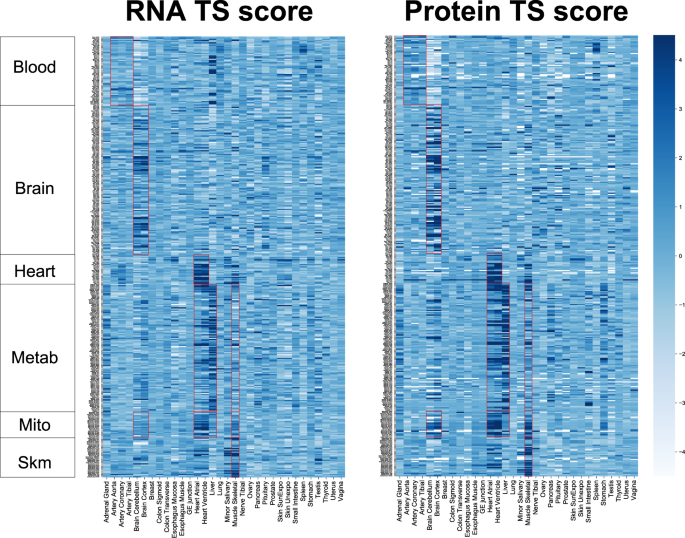
Utility of tissue-specific gene expression scores for gene prioritization in Mendelian diseases

alexandrossfakianakis shared this article with you from Inoreader

10038_2022_1071_Fig1_HTML.png

Journal of Human Genetics, Published online: 09 August 2022; doi:10.1038/s10038-022-01071-8

Utility of tissue-specific gene expression scores for gene prioritization in Mendelian diseases
View on Web