Αναζήτηση αυτού του ιστολογίου

Τετάρτη 27 Ιουλίου 2022

Pharmacokinetics of ribavirin in the treatment of Lassa fever: An observational clinical study at the Irrua Specialist Teaching Hospital, Edo State, Nigeria

alexandrossfakianakis shared this article with you from Inoreader
Abstract
Background
Lassa fever is endemic in large parts of West Africa. The recommended antiviral treatment is ribavirin. Two treatment regimens are currently endorsed in Nigeria: the "McCormick regimen" based on a study published in 1986 and the "Irrua regimen" constituting a simplified schedule developed at the Irrua Specialist Teaching Hospital (ISTH), Nigeria. Evidence for the safety and efficacy of ribavirin in Lassa fever patients is poor and pharmacokinetic data for both regimens are lacking.
Methods
PCR-confirmed Lassa fever patients with mild to moderate disease severity were invited to participate in this prospective, observational pharmacokinetic study. Pharmacokinetics of ribavirin, clinical, virologic, and clinical laboratory parameters were assessed.
Results
Using a population pharmacokinetic approach, plasma concentrations of ribavirin were best described by a three-compartment model. Drug exposure was remarkably consistent between participants. Overall, drug clearance was 28.5% lower in female compared to male participants. Median (5th-95th percentile) time above IC50 was 37.3% (16.9%-73.1%), 16.7% (8.2%-58.5%) and 9.6% (4.9%-38.4%) on days 1, 7 and 8, respectively. Clinical laboratory parameters indicated reduction of cell damage and development of hemolytic anemia in the course of the treatment period.
Conclusions
This observational study characterizes the pharmacokinetics of ribavirin in the treatment of Lassa fever indicating consistent exposure across patients. Whereas the only short time interval of concentrations above the IC50 implies rather low antiviral efficacy in vivo, the prominent reduction of cell damage markers might point to indirect – potentially anti-inflammatory – effects of ribavirin. The role of ribavirin in the treatment of Lassa fever requires further scrutiny.
View on Web

Association of histo‐blood group antigens and predisposition to gastrointestinal diseases

alexandrossfakianakis shared this article with you from Inoreader

Abstract

Infectious gastroenteritis is a common illness afflicting people worldwide. The two most common etiological agents of viral gastroenteritis, rotaviruses and noroviruses are known to recognise histo-blood group antigens (HBGAs) as attachment receptors. ABO, Lewis, and secretor HBGAs are distributed abundantly on mucosal epithelia, cell membranes, and also secreted in biological fluids, such as saliva, intestinal content, milk and blood. HBGAs are fucosylated glycans that have been implicated in the attachment of some enteric pathogens such as bacteria, parasites, and viruses. Single nucleotide polymorphisms in the genes encoding ABO (H), fucosyltransferase gene FUT2 (Secretor/Se), FUT3 (Lewis/Le) have been associated to changes in enzyme expression and HBGAs production. The highly polymorphic HBGAs among different populations and races influence genotype specific susceptibility or resistance to enteric pathogens and its epidemiolog y, and vaccination seroconversion. Therefore, there is an urgent need to conduct population-based investigations to understand predisposition to enteric infections and gastrointestinal diseases. This review focuses on the relationship between HBGAs and predisposition to common human gastrointestinal illnesses caused by viral, bacterial, and parasitic agents.

This article is protected by copyright. All rights reserved.

View on Web

Pharmacokinetic and pharmacodynamic simulation for the quantitative risk assessment of linezolid‐associated thrombocytopenia

alexandrossfakianakis shared this article with you from Inoreader
Pharmacokinetic and pharmacodynamic simulation for the quantitative risk assessment of linezolid-associated thrombocytopenia

Utility of safety target achievement rate based on PK/PD simulation for predicting linezolid-induced thrombocytopenia-stratified on the duration of linezolid therapy.


Abstract

What Is Known and Objective

Linezolid (LZD) may cause thrombocytopenia, which can result in discontinuation of treatment. In this study, the blood LZD trough concentration was estimated based on population pharmacokinetic (PK) parameters derived from two previously published models in the Japanese population to determine the rate of achieving the target trough value when the risk of thrombocytopenia is low and to clarify its relationship with the onset of thrombocytopenia.

Methods

This study included adult patients hospitalized at Shimane University Hospital, who received LZD treatment for at least 4 days from January 2010 to December 2017. Patients whose platelet count fell below 70% before LZD administration were categorized as the thrombocytopenic group. Patient PK parameters were calculated based on the population PK models described by Matsumoto et al. and Sasaki et al., and these parameters were designated A and B, respectively. Based on these parameters, the rate of achieving an LZD trough concentration of less than 8 μg/ml, which is the safety target achievement rate, was calculated using a random simulation for each patient. We further analysed the association between the incidence of thrombocytopenia and patient factors, including safety target achievement rate, through univariate, multivariate, and receiver operating characteristic (ROC) analyses.

Results and Discussion

Patients (n = 77) aged 72 ± 11 years and weighing 56.7 ± 10.9 kg, with a creatinine clearance (CLcr) of 60.5 ± 47.2 ml/min and a cirrhosis prevalence of 9.1%, were analysed. All patients received LZD at a dose of 600 mg twice daily for a total of 10.9 ± 8.9 days. Univariate analyses revealed significant differences (p < 0.05) in the duration of LZD therapy, serum creatinine, creatinine clearance, LZD clearance, and the safety target achievement rate for parameters A and B between the thrombocytopenic and non-thrombocytopenic groups. A multivariate analysis of these factors stratified with the cutoff values obtained by ROC analysis revealed that the duration of LZD therapy and the safety target achievement rates for parameters A and B were significant factors (odds ratios for duration of LZD therapy: 7.436 [95% confidence interval (CI): 1.918–28.831] and 4.712 [95% CI: 1.567–14.163]; odds ratio for safe ty target achievement rate: 0.060 [95% CI: 0.016–0.232] and 0.167 [95% CI: 0.056–0.498] for parameters A and B, respectively). When the safety target achievement rates for patients treated with LZD were compared between the thrombocytopenic and non-thrombocytopenic groups, the safety target achievement rate was higher in the non-thrombocytopenic group in both the patients treated with LZD for less than 10 days and those for 10 days or more.

Therefore, the safety target achievement rate estimated by the PK/PD simulation may represent to be an important index for risk assessment of LZD-induced thrombocytopenia.

What Is New and Conclusion

The risk of LZD-induced thrombocytopenia, which increased with the duration of LZD therapy, may be predicted using the safety target achievement rate obtained by the blood concentration simulation.

View on Web

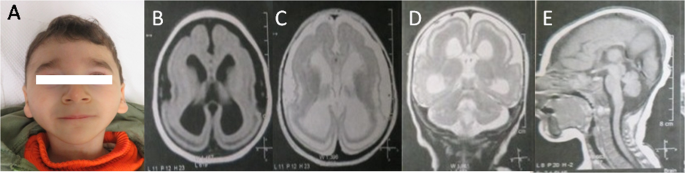
A homozygous loss-of-function variant in BICD2 is associated with lissencephaly and cerebellar hypoplasia

alexandrossfakianakis shared this article with you from Inoreader

10038_2022_1060_Fig1_HTML.png

View on Web

Τρίτη 26 Ιουλίου 2022

MORC3 Restricts Human Cytomegalovirus Infection by Suppressing the Major Immediate‐early Promoter Activity

alexandrossfakianakis shared this article with you from Inoreader

Abstract

During the long coevolution of human cytomegalovirus (HCMV) and humans, the host has formed a defense system of multiple layers to eradicate the invader, and the virus has developed various strategies to evade host surveillance programs. The intrinsic immunity primarily orchestrated by promyelocytic leukemia (PML) nuclear bodies (PML-NBs) represents the first line of defense against HCMV infection. Here, we demonstrate that microrchidia family CW-type zinc finger 3 (MORC3), a PML-NBs component, is a restriction factor targeting HCMV infection. We show that depletion of MORC3 through knockdown by RNA interference or knockout by CRISPR-Cas9 augmented IE1 gene expression and subsequent viral replication, and overexpressing MORC3 inhibited HCMV replication by suppressing IE1 gene expression. To relief the restriction, HCMV induces transient reduction of MORC3 protein level via the ubiquitin-proteasome pathway during the immediate-early to early stage. However, M ORC3 transcription is upregulated, and the protein level recovers in the late stages. Further analyses with temporal-controlled MORC3 expression and the major immediate-early promoter (MIEP)-based reporters show that MORC3 suppresses MIEP activity and consequent IE1 expression with the assistance of PML. Taken together, our data reveal that HCMV enforces temporary loss of MORC3 to evade its repression against the initiation of immediate-early gene expression.

This article is protected by copyright. All rights reserved.

View on Web

Reinfection with SARS‐CoV‐2 in general population,

alexandrossfakianakis shared this article with you from Inoreader

Abstract

To better understand epidemiology of SARS-CoV-2 reinfections, we analyzed national data from South Korea n who were followed longitudinally from January 2020 to April 2022. We conducted a nationwide retrospective cohort study to estimate possible SARS-CoV-2 reinfection rates in all residents in South Korea, with at least two episodes of laboratory-confirmed SARS-CoV-2 infection by reverse-transcriptase polymerase chain reaction (RT-PCR) or rapid antigen test (RAT) performed at least 45 or more days between both episodes, between January 2020 and April 2022. There were 1,6130,855 laboratory-confirmed SARS-CoV-2 cases in South Korea, with 55,841 (346.2 per 100,000; or 0.3% of all infections) were cases of possible reinfections. Reinfection rate has increased from 6.0 cases per 100,000 during Pre-Delta period to 128.0 cases per 100,000 and 355.1 cases per 100,000 during Delta and Omicron periods, respectively. Persons with one dose of vaccination had the highes t reinfection rate of 642.2 per 100,000, followed by unvaccinated persons (536.2/100,000) and two-dose vaccinated persons (406.3/100,000). Our finding suggests the majority of possible reinfections occurred following emergence of new variants.

This article is protected by copyright. All rights reserved.

View on Web

Risk Factors for Poor Survival Outcomes in Parotid Metastatic Cutaneous Squamous Cell Carcinoma

alexandrossfakianakis shared this article with you from Inoreader

Objective

We aimed to analyze risk factors associated with poor survival outcomes for metastatic cutaneous head-and-neck SCC to the parotid.

Methods

All patients undergoing surgery for metastatic cutaneous SCC to the parotid with curative intent between 2011 and 2018, were reviewed. Demographic and clinical characteristics were evaluated. Histopathological data including tumor size and histology, tumor grade, TNM stage, resection margins, lymphovascular invasion, and perineural invasion, were analyzed. Overall survival (OS), disease-specific survival (DSS), and freedom from locoregional recurrence (LRR) were assessed.

Results

Ninety patients were included (mean age, 77 years; 75 men [83.3%]). A total parotidectomy was performed in 48 patients (53.3%), and 42 (46.7%) underwent a superficial parotidectomy. Seventy patients (77.8%) underwent adjuvant RT. The median follow-up was 31 months (20–39 months). Tumor volume ≥ 50 cm3 and a shorter RT duration (<20 days) were associated with reduced OS (p = 0.002 and p = 0.01, p = 0.02 and p = 0.009, respectively), and DSS (p = 0.004 and p = 0.02, p = 0.04 and p = 0.02, respectively) on univariable and multivariable analysis, respectively. Only a shorter RT duration was associated with worse freedom from LRR on univariable and multivariable analysis, (p = 0.04 and p < 0.001, respectively). However, with death as a competing risk, a shorter duration of RT was not signif icantly associated with freedom from LRR.

Conclusion

A shorter duration of adjuvant RT, and excised tumor volume ≥50 cm3 were predictive factors of reduced OS and DSS, and a shorter duration of RT was also associated with reduced freedom from LRR in patients with metastatic SCC to the parotid gland.

Level of Evidence

Level 4 Laryngoscope, 2022

View on Web

Ultrasound‐guided totally implantable venous access ports placement via right brachiocephalic vein in pediatric population: A clinical debut

alexandrossfakianakis shared this article with you from Inoreader

Abstract

Background and objectives

To investigate the feasibility and safety of ultrasound-guided totally implantable venous access ports (TIVAPs) via the right brachiocephalic vein (BCV) in pediatric patients.

Methods

A single-institute retrospective review was performed on 35 pediatric patients with predominantly hematological malignancies (88.6%) who underwent TIVAP implantation via ultrasound-guided right BCV approach from July 2018 to June 2021. The catheter tip was adjusted to be positioned at the cavoatrial junction under pulsed fluoroscopic guidance. Technical success rate, procedural information, and TIVAP-related complications were evaluated.

Results

All the pediatric TIVAP devices were successfully implanted via right BCV access. Venous access was successful by first attempt in 32 children (91%), two cases (5.7%) required a second attempt, and one patient (2.9%) required a third attempt. The mean procedural time was 44.6 ± 6.4 minutes (range: 34–62 minutes). No intraoperative complications occurred. The average TIVAP indwelling time was 564 ± 208 days (range: 193–1014 days), with a cumulative 19,723 catheter-days. Overall, three patients (8.6%) experienced four postoperative complications (two cases of local hematoma and two catheter dysfunctions) at a rate of 0.2 per 1000 catheter-days. No other complications such as wound dehiscence, delayed incision healing, catheter-related thrombosis (CRT), catheter malposition/fracture, surgical site infection, catheter-related bloodstream infection (CRBSI), pinch-off syndrome, and drug extravasation were observed during follow-up.

Conclusions

Ultrasound-guided right BCV access for TIVAP placement in pediatric patients appears to be technically feasible, safe, and effective. Further large-sample, prospective studies are warranted.

View on Web

Depletion of d‐ and l‐asparagine in cerebrospinal fluid in acute lymphoblastic leukemia during PEGasparaginase therapy

alexandrossfakianakis shared this article with you from Inoreader

Abstract

Background

l-Asparaginase hydrolyzes l-asparagine and not its enantiomer d-asparagine. Unlike l-asparagine, d-asparagine is nonessential for the survival of acute lymphoblastic leukemia (ALL) cells. Studies showed that serum asparagine is depleted below 0.5 μM in ≥96% of the patients during pegylated Escherichia coli l-asparaginase (PEGasparaginase) treatment; however, cerebrospinal fluid (CSF) asparagine levels are depleted in only 20%–30% of the patients. Thus far, studies only reported the total CSF asparagine (sum of d- and l-asparagine) concentrations. Data on the pharmacological goal, which is l-asparagine depletion, are lacking.

Method

Therefore, we studied this in 30 patients (95 samples) with newly diagnosed ALL. They received two doses of PEGasparaginase on day 4 and 18 in induction.

Results

Median age at diagnosis was 5.7 years (range 1.5–17.1 years). d-Asparagine and l-asparagine concentrations (median (range)) before PEGasparaginase treatment were 0.038 (0.0–0.103) μM and 6.1 (1.82–11.5) μM, respectively. CSF l-asparagine concentrations were reduced by 85% (76%–100%) and approximately one-third of the patients (32%) had CSF l-asparagine depletion below 0.5 μM 11 days after the second PEGasparaginase dose administration. CSF d-asparagine and l-glutamine levels remained stable before and after administration of PEGasparaginase. The percentage of d-asparagine as a fraction of total asparagine (sum of d- and l-asparagine) was 0.62% before and 4.5% after PEGasparaginase treatment. No correlation was found between higher serum PEGasparaginase activity and CSF l-asparagine concentration.

Conclusion

l-Asparagine is not a better parameter than total asparagine in CSF due to the negligible amount of d-asparagine in the CSF before and after PEGasparaginase treatment.

View on Web

Lifetime exposure to welding fume and risk of some rare cancers

alexandrossfakianakis shared this article with you from Inoreader

aje_ogimage.png

Abstract
We investigated the association between exposure to welding fumes and the risk of biliary tract, male breast, bone, thymus cancer, cancer of the small intestine, eye melanoma, and mycosis fungoides among males in a European, multi-center case–control study. From 1995 to 1997, 644 cases and 1,959 control subjects from seven countries were studied with respect to information on welding and potential confounders. We linked the welding histories of the participants with a m easurement-based exposure matrix to calculate lifetime exposure to welding fumes. Odds ratios (OR) and 95% confidence intervals (CI) were estimated using logistic regression models, conditional on country and 5-year age groups, and adjusted for education and relevant confounders. Regular welding was associated with an increased risk of cancer of the small intestine (OR 2.30, CI 1.17, 4.50). Lifetime exposure to welding fumes above the median of exposed controls was associated with an increased risk of cancer of the small intestine (OR 2.00, CI 1.07, 3.72) and male breast (OR 2.07, CI 1.14, 3.77), and some elevation in risk was apparent for bone cancer (OR 1.92, CI 0.85, 4.34) with increasing lifetime exposure to welding fumes. Welding fumes could contribute to an increased risk of some rare cancers.
View on Web