Αναζήτηση αυτού του ιστολογίου

Δευτέρα 20 Ιουνίου 2022

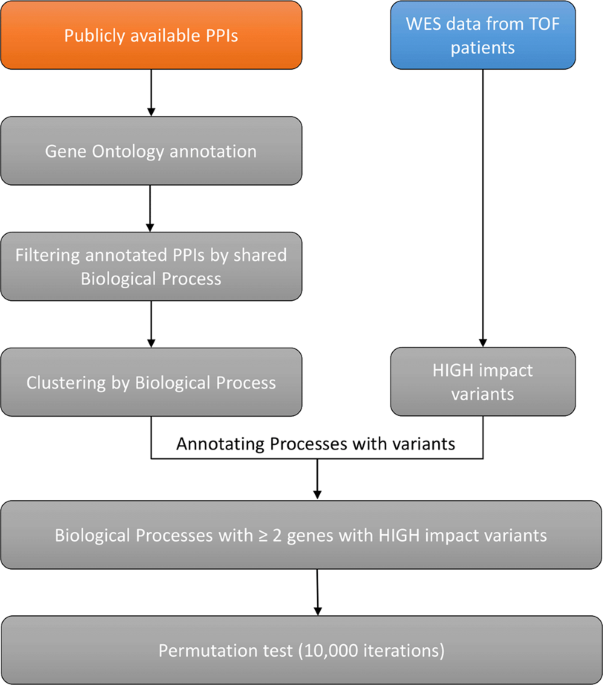
Joint analysis of functionally related genes yields further candidates associated with Tetralogy of Fallot

alexandrossfakianakis shared this article with you from Inoreader

10038_2022_1051_Fig1_HTML.png

Journal of Human Genetics, Published online: 20 June 2022; doi:10.1038/s10038-022-01051-y

Joint analysis of functionally related genes yields further candidates associated with Tetralogy of Fallot
View on Web

The first-in-human phase I study of a brain penetrant mutant IDH1 inhibitor DS-1001 in patients with recurrent or progressive IDH1-mutant gliomas

alexandrossfakianakis shared this article with you from Inoreader
Abstract
Background
Approximately 70% of lower-grade gliomas harbor isocitrate dehydrogenase 1 (IDH1) mutations, resulting in accumulation of oncometabolite D-2-hydroxyglutarate (D-2-HG); this leads to epigenetic dysregulation, oncogenesis, and subsequent clonal expansion. DS-1001 is an oral brain-penetrant mutant IDH1 selective inhibitor. This first-in-human study investigated the safety, pharmacokinetics, pharmacodynamics, and efficacy of DS-1001.
Methods
This was a multicenter, open-label, dose-escalation, phase I study of DS-1001 for recurrent/progressive IDH1-mutant (R132) glioma (N = 47) (NCT03030066). DS-1001 was administered orally at 125–1400 mg twice daily. Dose escalation used a modified continual reassessment method.
Results
The maximum tolerated dose was not reached. Eight patients were continuing treatment at the data cut-off. Most adverse events (AEs) were grade 1–2. Twenty patients (42.6%) experienced a t least one grade 3 AE. No grade 4 or 5 AEs or serious drug-related AEs were reported. Common AEs (>20%) were skin hyperpigmentation, diarrhea, pruritus, alopecia, arthralgia, nausea, headache, rash, and dry skin. The objective response rates were 17.1% for enhancing tumors and 33.3% for non-enhancing tumors. Median progression-free survival was 10.4 months (95% confidence interval [CI], 6.1 to 17.7 months) and not reached (95% CI, 24.1 to not reached) for the enhancing and non-enhancing glioma cohorts, respectively. Seven on-treatment brain tumor samples showed a significantly lower amount of D-2-HG compared with pre-study archived samples.
Conclusions
DS-1001 was well-tolerated with a favorable brain distribution. Recurrent/progressive IDH1-mutant glioma patients responded to treatment. A study of DS-1001 in patients with chemotherapy- and radiotherapy-naïve IDH1-mutated WHO grade 2 glioma is ongoing (NCT04458272).
View on Web

Impact of oral motor task training on corticomotor pathways and diadochokinetic rates in young healthy participants

alexandrossfakianakis shared this article with you from Inoreader

Abstract

Background

Studies addressing the training-induced neuroplasticity and interrelationships of the lip, masseter, and tongue motor representations in the human motor cortex using single syllable repetition are lacking.

Objective

This study investigated the impact of a repeated training in a novel PaTaKa diadochokinetic (DDK) orofacial motor task (OMT) on corticomotor control of the lips, masseter, and tongue muscles in young healthy participants.

Methods

A total of 22 young healthy volunteers performed 3 consecutive days of training in an OMT. Transcranial magnetic stimulation was applied to elicit motor evoked potentials (MEPs) from the lip, masseter, tongue, and first dorsal interosseous (FDI, internal control) muscles. MEPs were assessed by stimulus-response curves and corticomotor mapping at baseline and after OMT. The DDK rate from PaTaKa single syllable repetition and numeric rating scale (NRS) scores were also obtained at baseline and immediately after each OMT. Repeated-measures analysis of variance was used to detect differences at a significance level of 5%.

Results

There was a significant effect of OMT and stimulus intensity on the lips, masseter, and tongue MEPs compared to baseline (P < 0.001), but not FDI MEPs (P > 0.05). OMT increased corticomotor topographic maps area (P < 0.001), and DDK rates (P < 0.01).

Conclusion

Our findings suggest that 3 consecutive days of a repeated PaTaKa training in an OMT can induce neuroplastic changes in the corticomotor pathways of orofacial muscles, and it may be related to mechanisms underlying the improvement of orofacial fine motor skills due to short-term training. The clinical utility should now be investigated.

View on Web

miRNAs as potential diagnostic biomarkers and pharmacogenomic indicators in psychiatric disorders

alexandrossfakianakis shared this article with you from Inoreader

The Pharmacogenomics Journal, Published online: 20 June 2022; doi:10.1038/s41397-022-00283-7

miRNAs as potential diagnostic biomarkers and pharmacogenomic indicators in psychiatric disorders
View on Web

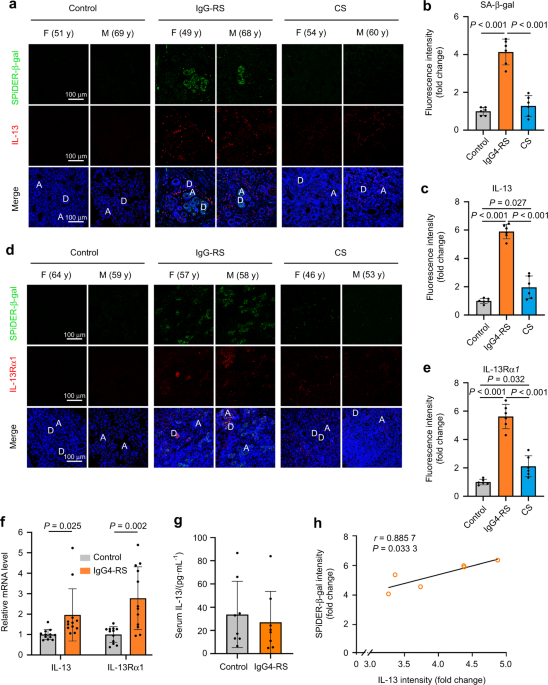
Interleukin-13 promotes cellular senescence through inducing mitochondrial dysfunction in IgG4-related sialadenitis

alexandrossfakianakis shared this article with you from Inoreader

41368_2022_180_Fig1_HTML.png

International Journal of Oral Science, Published online: 20 June 2022; doi:10.1038/s41368-022-00180-6

Interleukin-13 promotes cellular senescence through inducing mitochondrial dysfunction in IgG4-related sialadenitis
View on Web

Entwicklung und Evaluation eines Simulators für die endoskopische Nasennebenhöhlenoperation

alexandrossfakianakis shared this article with you from Inoreader

Laryngorhinootologie
DOI: 10.1055/a-1841-6328

Hintergrund Endoskopische Operationsverfahren haben sich als Goldstandard in der Nasennebenhöhlen (NNH)-Chirurgie etabliert. Den sich daraus ergebenden Herausforderungen für die chirurgische Ausbildung kann durch den Einsatz von Virtuelle-Realität (VR)-Trainingssimulatoren begegnet werden. Bislang wurde eine Reihe von Simulatoren für NNH-Operationen entwickelt. Frühere Studien im Hinblick auf den Trainingseffekt wurden jedoch nur mit medizinisch vorgebildeten Probanden durchgeführt oder es wurde nicht über dessen zeitlichen Verlauf berichtet. Methoden Ein NNH-CT-Datensatz wurde nach der Segmentierung in ein 3-dimensionales, polygonales Oberflächenmodell überführt und mithilfe von originalem Fotomaterial texturiert. Die Interaktion mit der virtuellen Umgebung erfolgte über ein haptisches Eingabegerät. Während der Simulation wurden die Parameter Eingriffsdauer und Fehleranzahl erfasst. Zehn Probanden absolvierten jeweils eine Trainingseinheit bestehend aus je 5 Übungsdurchläufen an 10 aufeinanderfolgenden Tagen. Ergebnisse Vier Probanden verringerten die benötigte Zeit um mehr als 60% im Verlauf des Übungszeitraums. Vier der Probanden verringerten ihre Fehleranzahl um mehr als 60%. Acht von 10 Probanden zeigten eine Verbesserung bezüglich beider Parameter. Im Median wurde im gesamten gemessenen Zeitraum die Dauer des Eingriffs um 46 Sekunden und die Fehleranzahl um 191 reduziert. Die Überprüfung eines Zusammenhangs zwischen den 2 Parametern ergab eine positive Korrelation. Schlussfolgerung Zusammenfassend lässt sich feststellen, dass das Training am NNH-Simulator auch bei unerfahrenen Personen die Performance beträchtlich verbessert, sowohl in Bezug auf die Dauer als auch auf die Genauigkeit des Eingriffs.
[...]

Georg Thieme Verlag KG Rüdigerstraße 14, 70469 Stuttgart, Germany

Article in Thieme eJournals:
Table of contents  |  Abstract  |  Full text

View on Web

Κυριακή 19 Ιουνίου 2022

COL4A1-related brain small-vessel disease, Intracranial Cortical Calcifications

What is COL4A1 disease?
COL4A1-related brain small-vessel disease is characterized by weakening of the blood vessels in the brain. Stroke is often the first symptom of this condition, typically occurring in mid-adulthood.

What is the COL4A1 gene?
The COL4A1 gene provides instructions for making one component of type IV collagen, which is a flexible protein important in the structure of many tissues throughout the body. Specifically, this gene makes the alpha1(IV) chain of type IV collagen.

Patients with chronic parathyroid dysfunction often have intracranial calcification in deep gray matter (GM) and subcortical white matter

What are the symptoms of brain calcification?
Muscle cramping (dystonia), uncontrollable spasmodic irregular movements (chorea), and seizures can also occur. Occasional symptoms include sensory changes, headaches and urinary incontinence. Associated symptoms include loss of contact with reality (psychosis), mood swings and loss of acquired motor skills.

#
Medicine by Alexandros G. Sfakianakis,Anapafseos 5 Agios Nikolaos 72100 Crete Greece,00302841026182,00306932607174,alsfakia@gmail.com,

Assessment of periodontitis grade in epidemiological studies using interdental attachment loss instead of radiographic bone loss

alexandrossfakianakis shared this article with you from Inoreader

Abstract

Objective

Comparison of grading according to radiographic bone loss (BL) or according to interdental clinical attachment loss (CAL).

Methods

In 100 periodontitis patients of the Department of Periodontology of Goethe-University Frankfurt, Germany periodontitis grade was assigned by i) indirect evidence using BL at the most affected tooth divided by root length and ii) CAL at the most affected tooth divided by root length of the respective tooth type according to root length in German and Swedish cohorts. Resulting quotients were divided by age.

Results

Patients (age: 53.5±10.4 years; 57 females; 16 smokers; no diabetes; stage 78 III, 22 IV) were by either method assigned to grade B or C (BL: 35 B, 65 C; CAL [German]: 23 B, 77 C; [Swedish]: 29 B, 71 C). Using root length (German cohort), agreement was 76% (kappa: 0.427; fair to good /moderate agreement) and 72% (Swedish cohort; kappa: 0.359; poor agreement/fair). Molars were most frequently chosen (BL: 64%; CAL: 71%).

Conclusions

Assignment of periodontitis grade by indirect evidence using BL or CAL using standard root length of the German cohort showed fair to good/moderate agreement. Thus, grade assignment by CAL may be used in epidemiologic studies where radiographs are not available.

View on Web

Soft and hard tissue changes after immediate implant placement with or without a sub‐epithelial connective tissue graft: results from a 6‐months pilot randomized controlled clinical trial

alexandrossfakianakis shared this article with you from Inoreader

Abstract

Aim

The present pilot RCT aimed to investigate the influence of a connective tissue graft (CTG) in combination with the immediate implant placement (IIP) on hard and soft tissues healing, without a bone replacement graft in the gap between the implant and the socket walls.

Material and Methods

Thirty patients requiring extraction of one anterior tooth (from premolar to premolar) were randomly assigned to one of the two treatment groups (test: IIP+CTG; control: IIP). Cone-beam computed tomography (CBCT) and optically scans were performed before tooth extraction and at 6-months follow-up. Then, DICOM files were superimposed in order to allow the evaluation of osseous ridge and buccal bone changes, while the superimposition of DICOM and STL (Standard Tessellation Language) files allowed for evaluating of soft tissue contour. For testing the differences between the two groups, the non-parametric test as Wilcoxon rank-sum test, was used.

Results

Twenty-six out of the thirty enrolled patients, attended the 6-month follow-up visit. The 4 patients of control group that were lost to follow-up, were analyzed under the intention-to-treat principle. No statistically significant differences between the groups were observed for the vertical buccal bone resorption (p=0.90), as well as for the horizontal buccal bone resorption at all measured levels. Significant differences were found between test and control groups in the horizontal dimensional changes of osseous ridge at the most coronal aspect (p=0.0003 and p=0.02). Changes of tissue contour ranged between -0.32 and -0.04 mm in the test group, and between -1.94 and -1.08 mm in the control group, while changes of soft tissue thickness varied between 1.33 and 2.42 mm in the test group, and between -0.16 and 0.88 mm in the control group, with statistically significant differences for both variables at all measured levels. At 6 months, the mean volume inc rease was 6.76±8.94 mm3 and 0.16±0.42 mm3 in the test and control groups, respectively, with statistically significant difference.

Conclusions

The findings of the present study indicate that the adjunct of a connective tissue graft at the time of immediate implant placement, without bone grafting, does not influence vertical bone resorption. Within the limits of the present study, it can be suggested that the adjunct of a connective tissue graft at the time of immediate implant placement, without bone grafting, reduces the horizontal changes of the alveolar ridge. Moreover, it allows maintenance of the tissue contour due to an increase in soft tissue thickness.

View on Web

Lingual Frenectomy Criteria

The term free-tongue is defined as the length of tongue from the insertion of the lingual frenum into the base of the tongue to the tip of the tongue. Clinically acceptable, normal range of free tongue is greater than 16 mm. 

The ankyloglossia can be classified into 4 classes based on Kotlow's assessment as follows; 
Class I: Mild ankyloglossia: 12 to 16 mm, 
Class II: Moderate ankyloglossia: 8 to 11 mm, 
Class III: Severe ankyloglossia: 3 to 7 mm, 
Class IV: Complete ankyloglossia: Less than 3 mm.2 

Class III and IV tongue-tie category should be given special consideration because they severely restrict the tongue's movement. A normal range of motion of the tongue is indicated by the following criteria: The tip of the tongue should be able to protrude outside the mouth; without clefting, the tip of the tongue should be able to sweep the upper and lower lips easily; without straining, when the tongue is retruded, it should not blanch the tissues lingual to the anterior teeth; and the lingual frenum should not create a diastema between the mandibular central incisors.

Ankyloglossia was also found associated in cases with some rare syndromes such as X-linked cleft palate syndrome, Kindler syndrome, van der Woude syndrome, and Opitz syndrome.Nevertheless, most ankyloglossias are observed in persons without any other congenital anomalies or diseases.
The difficulties in articulation are evident for consonants and sounds like "s, z, t, d, l, j, zh, ch, th, dg" and it is especially difficult to roll an "r".


#
Medicine by Alexandros G. Sfakianakis,Anapafseos 5 Agios Nikolaos 72100 Crete Greece,00302841026182,00306932607174,alsfakia@gmail.com,

Effectiveness of Tongue‐tie Assessment Tools in Diagnosing and Fulfilling Lingual Frenectomy Criteria: A Systematic Review

alexandrossfakianakis shared this article with you from Inoreader

ABSTRACT

It is unclear how effective tongue-tie classification assessment tools are in diagnosing symptomatic tongue-tie and fulfilling lingual frenectomy criteria. The purpose of this systematic review is to determine and evaluate any association between tongue-tie severity, as measured by pre-treatment assessment tools, and post-operative outcome following tongue-tie division. PubMed, EMBASE, and the Cochrane search engines were used to retrieve articles published between 1947 and 2021. Included studies consisted of patients with symptomatic tongue-tie, assessment by either the Coryllos, Kotlow, or Hazelbaker Assessment Tool for Lingual Frenulum Function (HATLFF) classification tool, and tongue-tie division. A total of 205 abstracts were identified; 31 studies met the criteria for a full-text review, of which, only 14 studies met the criteria for data extraction and analysis. Six studies used the HATLFF, 2 studies used the Kotlow, 5 studies used the Coryllos, and 1 study used a combinati on of both Kotlow and Coryllos methods. Significant heterogeneity was evident across all studies. No statistical correlation between the two variables could be determined. Although tongue-tie division procedures appear to provide benefits in breastfeeding and speech, there are no data to suggest a statistically significant association between the severity of tongue-tie, and the correct identification of patients who would benefit from tongue-tie division. © 2022 Australian Dental Association.

View on Web

Effect of three different remineralizing agents on artificial erosive lesions of primary teeth

alexandrossfakianakis shared this article with you from Inoreader

ABSTRACT

Background

This study aimed to investigate the efficacy of three remineralizing agents on dental erosion in primary teeth.

Methods

Forty primary molars were randomly divided into four groups (n = 10 each): self-assembling peptide (P11-4), casein phosphopeptide-amorphous calcium fluoride phosphate (CPP-ACFP), sodium fluoride (NaF), and artificial saliva (AS; control). The erosion-like formation was created by immersing the samples in citric acid (4 × 2 min, pH 2.3) and AS (4 × 2 h, pH 7). The eroded samples were then treated with remineralizing agents and subjected to further erosion consisting of 15 cycles (3x/8-h interval) of immersion in citric acid and AS for 6 s each. Alterations in the mineral content and morphology of the samples were quantified using a microhardness tester and atomic force microscope.

Results

All agents had a significant remineralization effect on eroded primary tooth enamel. After further erosive challenge, enamel loss in the CPP-ACFP group was found to be significantly lower than in all other groups, and no significant difference was found between the P11-4 and NaF groups.

Conclusions

This study demonstrated that all tested materials had remineralization ability, and CPP-ACFP had a superior effect in inhibiting enamel loss due to dental erosion in primary teeth. © 2022 Australian Dental Association.

View on Web