Αναζήτηση αυτού του ιστολογίου

Τρίτη 12 Ιουλίου 2022

The Efficacy of Liposomal Bupivacaine on Postoperative Pain Following Abdominal Wall Reconstruction: A Randomized, Double-blind, Placebo-controlled Trial

alexandrossfakianakis shared this article with you from Inoreader
imageObjective: To study the efficacy of liposomal bupivacaine on postoperative opioid requirement and pain following abdominal wall reconstruction. Summary Background Data: Despite the widespread use of liposomal bupivacaine in transversus abdominis plane block, there is inadequate evidence demonstrating its efficacy in open abdominal wall reconstruction. We hypothesized that liposomal bupivacaine plane block would result in decreased opioid requirements compared with placebo in the first 72 hours after surgery. Methods: This was a single-center double-blind, placebo-controlled prospective study conducted between July 2018 and November 2019. Adult patients (at least 18 yrs of age) undergoing open, elective, ventral hernia repairs with mesh placed in the retromuscular position were enrolled. Patients were randomized to surgeon-performed transversus abdominis plane block with liposomal bupivacaine, simple bupivacaine, or normal saline (placebo). The main outcome was opioid requirements in the first 72 hours after surgery. Secondary outcomes included total inpatient opioid use, pain scores determined using a 100 mm visual analog scale, length of hospital stay, and patientreported quality of life. Results: Of the 164 patients who were included in the analysis, 57 patients received liposomal bupivacaine, 55 patients received simple bupivacaine, and 52 received placebo. There were no differences in the total opioid used in the first 72 hours after surgery as measured by morphine milligram equivalents when liposomal bupivacaine was compared with simple bupivacaine and placebo (325 ± 225 vs 350 ± 284 vs 310 ± 272, respectively, P = 0.725). Similarly, there were no differences in total inpatient opioid use, pain scores, length of stay, and patient-reported quality of life. Conclusions: There are no apparent clinical benefits to using liposomal bupivacaine transversus abdominis plane block when compared with simple bupivacaine and placebo for open abdominal wall reconstruction.
View on Web

The Problem of Appetite Loss After Major Abdominal Surgery: A Systematic Review

alexandrossfakianakis shared this article with you from Inoreader
imageObjective: To systematically review the problem of appetite loss after major abdominal surgery. Summary of Background Data: Appetite loss is a common problem after major abdominal surgery. Understanding of etiology and treatment options is limited. Methods: We searched Medline, Cochrane Central Register of Controlled Trials, and Web of Science for studies describing postoperative appetite loss. Data were extracted to clarify definition, etiology, measurement, surgical influence, pharmacological, and nonpharmacological treatment. PROSPERO registration ID: CRD42021224489. Results: Out of 6144 articles, we included 165 studies, 121 of which were also analyzed quantitatively. A total of 19.8% were randomized, controlled trials (n = 24) and 80.2% were nonrandomized studies (n = 97). The studies included 20,506 patients undergoing the following surgeries: esophageal (n = 33 studies), gastric (n = 48), small bowel (n = 6), colon (n = 27), rectal (n = 20), hepatobiliary (n = 6), and pancreatic (n = 13). Appetite was mostly measured with the Quality of Life Questionnaire of the European Organization for Research and Treatment of Cancer (EORTC QLQ C30, n = 54). In a meta-analysis of 4 randomized controlled trials gum chewing reduced time to first hunger by 21.2 hours among patients who had bowel surgery. Other reported treatment options with positive effects on appetite but lower levels of evidence include, among others, intravenous ghrelin administration, the oral Japanese herbal medicine Rikkunshito, oral mosapride citrate, multidisciplin-ary-counseling, and watchin g cooking shows. No studies investigated the effect of well-known appetite stimulants such as cannabinoids, steroids, or megestrol acetate on surgical patients. Conclusions: Appetite loss after major abdominal surgery is common and associated with increased morbidity and reduced quality of life. Recent studies demonstrate the influence of reduced gastric volume and ghrelin secretion, and increased satiety hormone secretion. There are various treatment options available including level IA evidence for postoperative gum chewing. In the future, surgical trials should include the assessment of appetite loss as a relevant outcome measure.
View on Web

Δευτέρα 11 Ιουλίου 2022

Extramedullary focal fat - fluid level, a specific sign of osteomyelitis

Balaji Anvekar's Neuroradiology Cases

________________________________

Extramedullary focal fat - fluid level, a specific sign of osteomyelitis

Posted: 11 Jul 2022 09:37 PM PDT

 A 14 yo male with pain in calcaneum since 1months.


MRI foot for calcaneum with CT correlation shows:

Heterogeneous signal abnormality diffusely involving calcaneum with multiple low signal intensity foci diffusely scattered in calcaneum on T1-weighted images which are hyperintense on STIR. Rest of the intervening calcaneum medulla shows faint high signal on STIR.

No obvious density abnormality on CT. No obvious sclerotic or lytic lesion. No obvious cortical destruction or sclerosis.

There is a focal lentiform shaped parosteal collection measuring approximately 26 mm in height and 6 mm in thickness medially at 2 o'clock position and 4 mm in thickness laterally on plantar aspect at 7 o'clock position on axial section.

There is fat – fluid level within this collection, focal fat in the supernatant portion of this collection which is hyperintense on T1-weighted images with complete signal suppression on STIR, this portion follows classical fat density on CT.

There is an associated diffuse oedema involving muscles of plantar aspect of foot especially quadratus plantae muscle, medial as well as lateral teno synovitis.

This finding suggestive of extramedullary focal fat - fluid level which is a pathognomonic sign of acute to subacute osteomyelitis.

Findings were discussed with the referring physician before finalizing the report, who added that there is elevation of inflammatory markers in lab reports and the suspicion of osteomyelitis clinically as well, with a feedback of significant improvement clinically after IV antibiotics.

Take home note is during MSK MRI interpretation, a bone marrow signal abnormality with an associated focal periosteal extra medullary fat – fluid level, osteomyelitis should be in the list of your differential diagnosis.

References:

1. Extra-osseous fat fluid level: a specific sign for osteomyelitis. Kumar J, Bandhu S, Kumar A, Alam S. Skeletal Radiol. 2007 Jun;36 Suppl 1:S101-4. doi: 10.1007/s00256-006-0194-1. Epub 2006 Sep 19.

2. Intramedullary and extramedullary fat globules on magnetic resonance imaging as a diagnostic sign for osteomyelitis. Davies AM, Hughes DE, Grimer RJ. Eur Radiol. 2005 Oct;15(10):2194-9. doi: 10.1007/s00330-005-2771-4. Epub 2005 Apr 29.

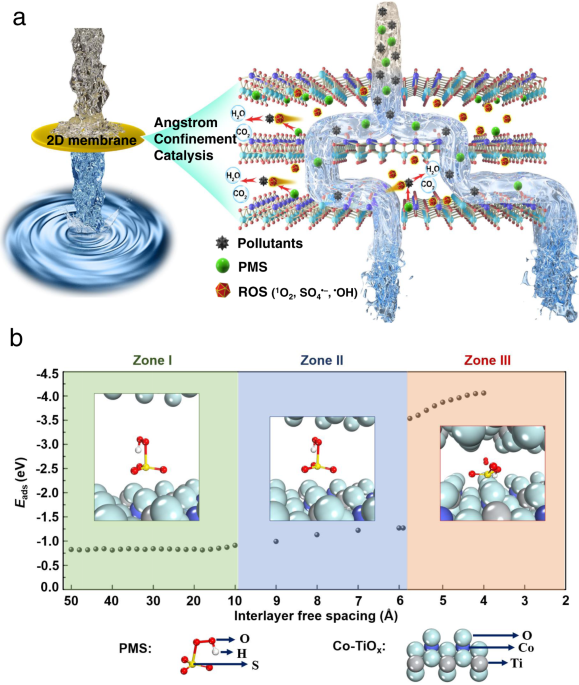
Angstrom-confined catalytic water purification within Co-TiOx laminar membrane nanochannels

alexandrossfakianakis shared this article with you from Inoreader

41467_2022_31807_Fig1_HTML.png

View on Web

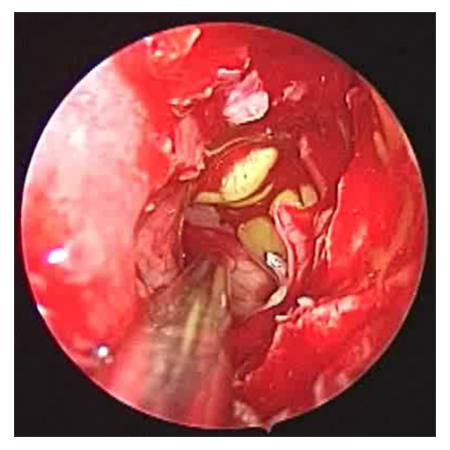
Intrathecal Fluorescein for CSF Leak Detection

alexandrossfakianakis shared this article with you from Inoreader
2021-38-Image-S450.jpg

J. Paul Radabaugh (former rhinology fellow at McGovern Medical School) presented the results of a retrospective study of intrathecal fluorescein (IF) use for detection of cerebrospinal fluid leaks (CSF) at the American Rhinology Society annual meeting in Los Angeles. The...
View on Web

Κυριακή 10 Ιουλίου 2022

MEK Inhibitors for Neurofibromatosis Type 1 Manifestations: Clinical Evidence and Consensus

alexandrossfakianakis shared this article with you from Inoreader
Abstract
The wide variety of clinical manifestations of the genetic syndrome neurofibromatosis type 1 (NF1) are driven by overactivation of the RAS pathway. Mitogen-activated protein kinase kinase inhibitors (MEKi) block downstream targets of RAS. The recent regulatory approvals of the MEKi selumetinib for inoperable symptomatic plexiform neurofibromas in children with NF1 has made it the first medical therapy approved for this indication in the United States, the European Union and elsewhere. Several recently published and ongoing clinical trials have demonstrated that MEKi may have potential benefit for a variety of other NF1 manifestations, and there is broad interest in the field regarding the appropriate clinical use of these agents. In this review, we present the current evidence regarding the use of existing MEKi for a variety of NF1-related manifestations, including tumor (neurofibromas, malignant peripheral nerve sheath tumors, low grade glioma, and juvenile myelomonocytic leukemia) and non-tumor (bone, pain, and neurocognitive) manifestations. We discuss the potential utility of MEKi in related genetic conditions characterized by overactivation of the RAS pathway (RASopathies). In addition, we review practical treatment considerations for the use of MEKi as well as provide consensus recommendations regarding their clinical use from a panel of experts.
View on Web

Abutment mechanical complications of a Morse taper connection implant system: A 1‐ to 9‐year retrospective study

alexandrossfakianakis shared this article with you from Inoreader

Abstract

Background

The fracture of a Morse tapered abutment connection in an osseointegrated implant is one of the most serious mechanical complications, and it is extremely hard to deal with this complication in clinical practice.

Purpose

The aim of this study was to explore the cumulative mechanical complications focus on abutment of a platform switching Morse taper connection implant system after loading, and to perform a retrospective, approximately 1- to 9-year follow-up study to identify the predisposing factors.

Materials and Methods

A total of 495 patients with 945 fitted implants were enrolled in this study with a follow-up from January 2012 to January 2020. The data of mechanical complications of the abutment, including abutment fracture (AF) and abutment screw loosening (ASL), and possible causative factors were extracted and evaluated statistically.

Results

A total of 25 out of 945 (2.65%) cumulative abutment mechanical complications occurred. AF was the most common complication (n = 13, 1.38%), followed by ASL (n = 12, 1.27%). For AF, gender, type of prosthesis, abutment design, and implant diameter were identified as the causative factors. AF was mostly observed in the single crown of males in molar areas, while ASL was more likely to occur on an angled abutment than on a non-angled abutment. Moreover, the abutment with the positioning index (/X) had a higher incidence of fracture than the abutment without the positioning index (C/).

Conclusions

This study shows that the Morse taper connection is a safe abutment connection. AF occurs more frequently within single crowns in molar area of males, especially with the positioning index (/X), while ASL is more likely to occur in an angled abutment.

View on Web

Sound Induced Vibrations Deform the Organ of Corti Complex in the Low-Frequency Apical Region of the Gerbil Cochlea for Normal Hearing

alexandrossfakianakis shared this article with you from Inoreader
AbstractHuman speech primarily contains low frequencies. It is well established that such frequencies maximally excite the cochlea near its apex. But, the micromechanics that precede and are involved in this transduction are not well understood. We measured vibrations from the low-frequency, second turn in intact gerbil cochleae using optical coherence tomography (OCT). The data were used to create spatial maps that detail the sound-evoked motions across the sensory organ of Corti complex (OCC). These maps were remarkably similar across animals and showed little variation with frequency or level. We identify four, anatomically distinct, response regions within the OCC: the basilar membrane (BM), the outer hair cells (OHC), the lateral compartment (lc), and the tectorial membrane (TM). Resu...
View on Web

Characterizing the Relationship Between Reflection and Distortion Otoacoustic Emissions in Normal-Hearing Adults

alexandrossfakianakis shared this article with you from Inoreader
AbstractOtoacoustic emissions (OAEs) arise from one (or a combination) of two basic generation mechanisms in the cochlea: nonlinear distortion and linear reflection. As a result of having distinct generation processes, these two classes of emissions may provide non-redundant information about hair-cell integrity and show distinct sensitivities to cochlear pathology. Here, we characterize the relationship between reflection and distortion emissions in normal hearers across a broad frequency and stimulus-level space using novel analysis techniques. Furthermore, we illustrate the promise of this approach in a small group of individuals with mild-moderate hearing loss. A "joint-OAE profile" was created by measuring interleaved swept-tone stimulus-frequency OAEs (SFOAEs) and 2f1-f2 distorti...
View on Web

Real‐life impact of tenofovir disoproxil fumarate and entecavir therapy on lipid profile, glucose and uric acid in chronic hepatitis B patients

alexandrossfakianakis shared this article with you from Inoreader

Abstract

Background & Aims

The impact of long-term nucleos(t)ide analogs treatment on host metabolism is a concern. Hence, we conducted this study to compare the effect of entecavir (ETV) and tenofovir disoproxil fumarate (TDF) on metabolic parameters among CHB patients.

Methods

In this real-life retrospective study, 2,030 CHB outpatients treated with ETV or TDF at Nanfang Hospital, China, were included. For treatment-naïve patients, pretreatment and semiannual metabolic parameters were collected. For treatment-experienced patients, metabolic parameters were collected at the first visit. Propensity score matching (PSM) was used to balance the effects of potential confounding factors.

Results

Among 122 treatment-naïve patients and 1908 treatment-experienced patients, ETV-treated patients were older with a higher percentage of metabolic syndrome. After PSM, the characteristics were comparable between the two groups. For treatment-naïve patients, fou r lipid parameters, including total cholesterol (TC), low-density lipoprotein (LDL), high-density lipoprotein and triglyceride levels showed a decreasing trend during the 42-month TDF treatment, while they remained relatively stable or increased during ETV treatment. At month 30, the levels of TC and LDL among TDF-treated patients were significantly lower than those among ETV-treated patients (TC: 4.7 vs. 3.9 mmol/L, p=0.004; LDL: 3.0 vs. 2.4 mmol/L, p=0.009). For treatment-experienced patients, we also observed lower levels of lipid parameters in patients with different durations of TDF treatment. The levels of glucose and uric acid were similar among ETV- and TDF-treated patients.

Conclusion

TDF has a lipid-lowering effect in CHB patients, which provides a basis for the selection of antiviral drugs for aging CHB patients.

This article is protected by copyright. All rights reserved.

View on Web