Αναζήτηση αυτού του ιστολογίου

Κυριακή 6 Νοεμβρίου 2022

Multiagent Chemotherapy Followed by Stereotactic Body Radiotherapy Versus Conventional Radiotherapy for Resected Pancreas Cancer

alexandrossfakianakis shared this article with you from Inoreader
imageBackground and Purpose: Chemotherapy followed by margin-negative resection (R0) is the treatment of choice for patients with localized pancreatic ductal adenocarcinoma (PDAC). Neoadjuvant multiagent chemotherapy (MAC) or MAC then radiotherapy (RT) may optimize surgical candidacy. The purpose of this study was to compare pathologic outcomes of MAC followed by conventionally fractionated radiotherapy (CRT) versus stereotactic body radiotherapy (SBRT) for patients with resected PDAC. Methods: Patients diagnosed with nonmetastatic PDAC between 2012 and 2017 and who received preoperative MAC or MAC+RT were identified in the National Cancer Database. Variables associated with R0 and overall survival were identified with logistic regression and Cox analysis (P
View on Web

The role of Cannabis in treatment‐resistant Fibromyalgia women

alexandrossfakianakis shared this article with you from Inoreader

Abstract

Background

Fibromyalgia is a complex pain-focused syndrome. Previous studies showed that Cannabis is efficacious in promoting sleep, deepening and lengthening the sleep cycle, and good pain relief (compared to SSRIs and SNRIs).

Purpose

This study aimed to use the World Health Organization Quality of Life Bref questionnaire (WhoQoL-bref) to characterize the impact of Cannabis Treatment initiation on the quality of life in women suffering from treatment-resistant fibromyalgia.

Methods

a prospective cohort study involving 30 women aged 18-70 years old diagnosed with fibromyalgia, exhausted pharmacological fibromyalgia treatment, and started Cannabis treatment. Pregnant women were excluded.

WhoQoL-bref was filled before Cannabis treatment initiation and one month following treatment.

Results

Women's average age was 46 years(±5), with a poor general quality of life (1.47±0.63), poor general health (1.47±0.78), pain and discomfort, and dependence on medication (3.77±1.3 and 3.07±1.74 respectively) prior to Cannabis intervention. Cannabis treatment for 30 days showed a marked improvement in general quality of life (1.97 scores, p < 0.01), general health (1.83, p<0.01), physical health ( 1.5, p<0.01), and psychological domain (1.3, p<0.01). Financial resources and home environment were not influenced by cannabis treatment (p=0.07, p=0.31, respectively).

Conclusion

Results suggest a potentially significant role of Cannabis in treatment-resistant Fibromyalgia women. Early Cannabis treatment may result in a beneficial short-term effect on the quality of life through its influence on pain, sleep, physical and psychological domains. Further studies are still indicated to understand this potential and its long-term beneficial impact.

View on Web

Let's talk about faces: Identifying faces from verbal descriptions

alexandrossfakianakis shared this article with you from Inoreader

Abstract

Face descriptions inform real-world identification decisions, for example when eyewitnesses describe criminal perpetrators. However, it is unclear how effective face descriptions are for identification. Here, we examined the accuracy of face identification from verbal descriptions, and how individual differences in face perception relate to producing and using descriptions for identification. In Study 1, participants completed a face communication task in pairs. Each participant saw a single face, and via verbal communication only, the pair decided if they were viewing the same person or different people. Dyads achieved 72% accuracy, compared to 81% when participants completed the task individually by matching face pairs side-by-side. Performance on the face communication and perceptual matching tasks were uncorrelated, perhaps due to low measurement reliability of the face communication task. In subsequent studies, we examined the abilities of face 'describers' (Study 2) and 'identifiers' separately (Study 3). We found that 'super-recognizers' – people with extremely high perceptual face identification abilities – outperformed controls in both studies. Overall, these results show that people can successfully describe faces for identification. Preliminary evidence suggests that this ability – and the ability use facial descriptions for identification – has some association with perceptual face identification skill.

View on Web

Transcriptional analysis of the mfa‐cluster genes in Porphyromonas gingivalis strains with one and two mfa5 genes

alexandrossfakianakis shared this article with you from Inoreader

Abstract

The Porphyromonas gingivalis Mfa1 fimbria is composed of the Mfa1 to Mfa5 proteins, encoded by the mfa1 to mfa5 genes, respectively, which are tandemly arranged on chromosomes. A recent study discovered that many P. gingivalis strains possess two mfa5 genes (called herein mfa5-1 and mfa5-2), which are also in tandem. This study examined the transcriptional unit and activity of mfa-cluster genes in strains with one (the ATCC 33277 and TDC60 strains) and two (the HG66 and A7436 strains) mfa5 genes. Complementary DNA was prepared from the total RNA extracted from the bacterial cells in the logarithmic growth phase using a random primer. PCR analysis for the intergenic regions from mfa1 to mfa5 or mfa5-2 showed that mfa1 to mfa5 or mfa5-2 formed a polycistronic gene cluster. Quantitative real-time PCR showed that the mfa1 transcription was 5–10 times higher than tha t of mfa2 in all the strains. However, mfa2 to mfa5 mostly showed a comparable expression. Both mfa5 genes were comparably transcribed in HG66 and A7436 strains. The transcriptional levels were almost consistent with the respective protein expression levels. In silico analysis identified a transcriptional terminator structure in the intergenic region between mfa1 and mfa2 that was probably responsible for the decreased transcription rate of mfa2 and the downstream genes.

This article is protected by copyright. All rights reserved

View on Web

A Computational Model of a Single Auditory Nerve Fiber for Electric-Acoustic Stimulation

alexandrossfakianakis shared this article with you from Inoreader
AbstractCochlear implant (CI) recipients with preserved acoustic low-frequency hearing in the implanted ear are a growing group among traditional CI users who benefit from hybrid electric-acoustic stimulation (EAS). However, combined ipsilateral electric and acoustic stimulation also introduces interactions between the two modalities that can affect the performance of EAS users. A computational model of a single auditory nerve fiber that is excited by EAS was developed to study the interaction between electric and acoustic stimulation. Two existing models of sole electric or acoustic stimulation were coupled to simulate responses to combined EAS. Different methods of combining both models were implemented. In the coupled model variant, the refractoriness of the simulated fiber leads to sup...
View on Web

Randomized phase III study of high-dose methotrexate and whole-brain radiotherapy with/without temozolomide for newly diagnosed primary CNS lymphoma: JCOG1114C

alexandrossfakianakis shared this article with you from Inoreader
Abstract
Background
The goal was to determine whether the addition of temozolomide (TMZ) to the standard treatment of high-dose methotrexate (HD-MTX) and whole-brain radiotherapy (WBRT) for primary central nervous system lymphoma (PCNSL) improves survival.
Methods
An open-label, randomized, phase III trial was conducted in Japan, enrolling immunocompetent patients aged 20-70 years with histologically confirmed, newly diagnosed PCNSL. After administration of HD-MTX, patients were randomly assigned to receive WBRT (30 Gy) ± 10 Gy boost (arm A) or WBRT ± boost with concomitant and maintenance TMZ for two years (arm B). The primary endpoint was overall survival (OS).
Results
Between September 29, 2014 and October 15, 2018, 134 patients were enrolled, of whom 122 were randomly assigned and analyzed. At the planned interim analysis, two-year OS was 86.8% (95% confidence interval [CI]: 72.5-94.0%) in arm A and 71.4% (56.0-82.2%) in arm B. The hazard ratio was 2.18 (95% CI: 0.95 to 4.98), with the predicted probability of showing the superiority of arm B at the final analysis estimated to be 1.3%. The study was terminated early due to futility. O 6-methylguanine-DNA methyltransferase (MGMT) promoter methylation status was measured in 115 tumors, and it was neither prognostic nor predictive of TMZ response.
Conclusions
This study failed to demonstrate the benefit of concomitant and maintenance TMZ in newly diagnosed PCNSL.
View on Web

Endoscopic transoral approach to the lateral poststyloid space

alexandrossfakianakis shared this article with you from Inoreader

Abstract

The lateral poststyloid space (LPSS) located at the posterolateral aspect of the styloid process. This study aims to explore the anatomical relationships in LPSS via a transoral corridor, providing reference for addressing lesions extending to this region. An endoscopic transoral approach for exposure of the LPSS was performed on 6 cadaveric specimens (12 sides). Related landmarks were explored, and transoral extirpation of tumors extended into LPSS was employed in 12 patients. The deep lobe of the parotid gland, extratemporal facial nerve, and the accompanying artery in the LPSS were sufficiently exposed via the transoral corridor in all 12 cadaveric sides. The transoral corridor provided adequate exposure for tumors extending to the LPSS, and en bloc resection was achieved in these 12 patients. No facial nerve or vascular injury occurred, and no recurrence observed in this cohort with an average follow-up of 26 months. An endoscopic transoral approach provides a direct access to the LPSS. Appreciation of the anatomical relationships within the LPSS is valuable for employing a transoral extirpation of tumors extending to this specific region.

View on Web

Factors that influence the outcome of pulpotomy in permanent teeth

alexandrossfakianakis shared this article with you from Inoreader

Abstract

The promotion of minimally-invasive treatments focussed on the maintenance of pulp vitality has become a priority area in Endodontics. These vital-pulp-treatments (VPT) include, partial and full pulpotomy, during which diseased coronal pulp tissue is removed prior to placement of a capping biomaterial and restoration. Traditionally, pulpotomies were confined to the treatment of carious deciduous and traumatised teeth. However, these treatments have now been proposed as definitive solutions for cariously-exposed permanent teeth with mild symptoms or even symptoms indicative of irreversible disease. Until recently, it was recommended that carious-exposure of mature permanent teeth be managed by root canal treatment. The promotion of pulpotomy as an alternative treatment has opened up a wave of laboratory and clinical research aimed at improving therapies or evaluating clinical outcomes. In modern evidence-based endodontics it is imperative that the outcomes of both partial and full pulpotomy are considered and important prognostic factors identified, so that improvements can be made to aid clinical decision-making and to direct new research. In this narrative review, the outcomes of partial and full pulpotomy are discussed, before analysis of patient, intraoperative and postoperative factors that influence the outcome of the pulpotomy procedure. The review highlights that although partial and full pulpotomy for the treatment of even pulpal disease are highly successful procedures, this is based on low-quality evidence with a lack of prospective, comparative trials investigating potential prognostic factors. Based on current evidence, it appears that age, gender, tooth type, root development and intraoperative pulpal haemorrhage do not impact significantly on pulpotomy outcome, while others such as caries depth, inflammatory status of the pulp, capping material, level of inflammatory pulpal-biomarkers and the final restoration integrity do. Other factors, inclu ding the influence of exposure type, periodontal condition, pulpal lavage, magnification, operator experience, isolation of the operating field and type of pulpotomy require further experimental investigation before definitive conclusions can be made relating to the success of the pulpotomy procedure. Finally, there is not only a need for future well-designed prospective research addressing these issues, but also a widening of our understanding of outcome to include patient-reported as well as clinician-reported outcomes.

View on Web

Remimazolam versus propofol for deep sedation/anaesthesia in upper gastrointestinal endoscopy in elderly patients: A multicenter, randomized controlled trial

alexandrossfakianakis shared this article with you from Inoreader
Remimazolam versus propofol for deep sedation/anaesthesia in upper gastrointestinal endoscopy in elderly patients: A multicenter, randomized controlled trial

The rate of hypotension was 36.5% in the remimazolam group and 69.6% in the propofol group (p < 0.001). The remimazolam group also had a lower rate of bradycardia (1.5% vs. 8.5%, p < 0.001) and respiratory depression (4.5% vs. 10.0%, p < 0.05).


Abstract

Background and Objective

Propofol is the most commonly used sedative in gastrointestinal endoscopic procedures, but is associated with cardiorespiratory suppression, particularly in elderly patients. Remimazolam is a new short-acting GABA(A) receptor agonist with minimal impact on cardiorespiratory suppression, and may be a viable alternative in elderly patients undergoing endoscopic procedures.

Methods

This multicenter, randomized controlled trial was conducted between September 2020 and September 2021. Elderly patients (65–85 years of age) scheduled to undergo upper gastrointestinal endoscopy were randomized in 1:1 ratio to receive remimazolam tosilate (300 mg/h) or propofol (3 g/h) in addition to 50-μg fentanyl, until the Modified Observer's Assessment of Alertness/Sedation Scale (MOAA/S) reached ≤1. MOAA/S was maintained at 0 or 1 throughout the procedure using 2.5 mg remimazolam or 0.5 mg/kg propofol boluses in the two groups, respectively. The primary outcome was the rate of hypotension (defined as systolic blood pressure at ≤90 mmHg or > 30% decline vs. the baseline). Bradycardia was defined as heart rate ≤50 per minute; respiratory depression was defined as respiratory rate <8 per minute and/or SpO2 < 90%.

Results

A total of 400 patients (161 men and 239 women; 70.4 ± 4.6 years of age) were enrolled (200 patients per group). Average body mass index was 22.2 ± 2.4 kg/m2. The rate of hypotension was 36.5% in the remimazolam group and 69.6% in the propofol group (p < 0.001). The remimazolam group also had a lower rate of bradycardia (1.5% vs. 8.5%, p < 0.001), respiratory depression (4.5% vs. 10.0%, p < 0.05) and pain at the injection site (0% vs. 12.0%, p < 0.001).

Conclusion

Remimazolam was associated with a lower rate of hypotension in elderly patients undergoing upper gastrointestinal endoscopy under deep sedation/anaesthesia than propofol.

View on Web

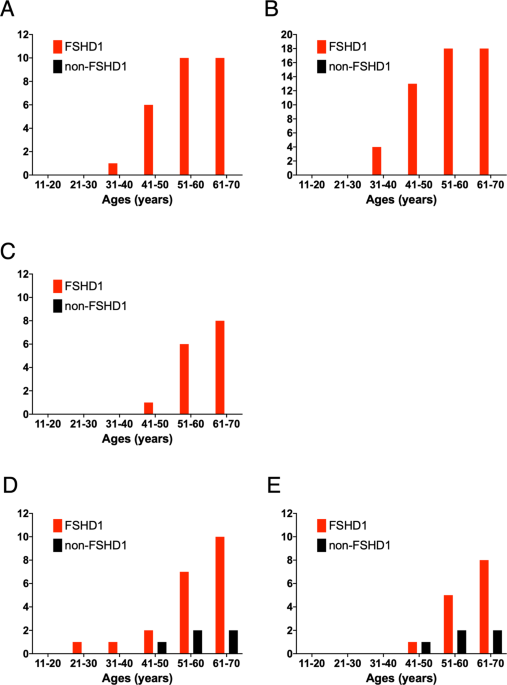
Gastrointestinal cancer occurs as extramuscular manifestation in FSHD1 patients

alexandrossfakianakis shared this article with you from Inoreader

10038_2022_1095_Fig1_HTML.png

Journal of Human Genetics, Published online: 07 November 2022; doi:10.1038/s10038-022-01095-0

Gastrointestinal cancer occurs as extramuscular manifestation in FSHD1 patients
View on Web