Αναζήτηση αυτού του ιστολογίου

Κυριακή 6 Νοεμβρίου 2022

Endoscopic transoral approach to the lateral poststyloid space

alexandrossfakianakis shared this article with you from Inoreader

Abstract

The lateral poststyloid space (LPSS) located at the posterolateral aspect of the styloid process. This study aims to explore the anatomical relationships in LPSS via a transoral corridor, providing reference for addressing lesions extending to this region. An endoscopic transoral approach for exposure of the LPSS was performed on 6 cadaveric specimens (12 sides). Related landmarks were explored, and transoral extirpation of tumors extended into LPSS was employed in 12 patients. The deep lobe of the parotid gland, extratemporal facial nerve, and the accompanying artery in the LPSS were sufficiently exposed via the transoral corridor in all 12 cadaveric sides. The transoral corridor provided adequate exposure for tumors extending to the LPSS, and en bloc resection was achieved in these 12 patients. No facial nerve or vascular injury occurred, and no recurrence observed in this cohort with an average follow-up of 26 months. An endoscopic transoral approach provides a direct access to the LPSS. Appreciation of the anatomical relationships within the LPSS is valuable for employing a transoral extirpation of tumors extending to this specific region.

View on Web

Factors that influence the outcome of pulpotomy in permanent teeth

alexandrossfakianakis shared this article with you from Inoreader

Abstract

The promotion of minimally-invasive treatments focussed on the maintenance of pulp vitality has become a priority area in Endodontics. These vital-pulp-treatments (VPT) include, partial and full pulpotomy, during which diseased coronal pulp tissue is removed prior to placement of a capping biomaterial and restoration. Traditionally, pulpotomies were confined to the treatment of carious deciduous and traumatised teeth. However, these treatments have now been proposed as definitive solutions for cariously-exposed permanent teeth with mild symptoms or even symptoms indicative of irreversible disease. Until recently, it was recommended that carious-exposure of mature permanent teeth be managed by root canal treatment. The promotion of pulpotomy as an alternative treatment has opened up a wave of laboratory and clinical research aimed at improving therapies or evaluating clinical outcomes. In modern evidence-based endodontics it is imperative that the outcomes of both partial and full pulpotomy are considered and important prognostic factors identified, so that improvements can be made to aid clinical decision-making and to direct new research. In this narrative review, the outcomes of partial and full pulpotomy are discussed, before analysis of patient, intraoperative and postoperative factors that influence the outcome of the pulpotomy procedure. The review highlights that although partial and full pulpotomy for the treatment of even pulpal disease are highly successful procedures, this is based on low-quality evidence with a lack of prospective, comparative trials investigating potential prognostic factors. Based on current evidence, it appears that age, gender, tooth type, root development and intraoperative pulpal haemorrhage do not impact significantly on pulpotomy outcome, while others such as caries depth, inflammatory status of the pulp, capping material, level of inflammatory pulpal-biomarkers and the final restoration integrity do. Other factors, inclu ding the influence of exposure type, periodontal condition, pulpal lavage, magnification, operator experience, isolation of the operating field and type of pulpotomy require further experimental investigation before definitive conclusions can be made relating to the success of the pulpotomy procedure. Finally, there is not only a need for future well-designed prospective research addressing these issues, but also a widening of our understanding of outcome to include patient-reported as well as clinician-reported outcomes.

View on Web

Remimazolam versus propofol for deep sedation/anaesthesia in upper gastrointestinal endoscopy in elderly patients: A multicenter, randomized controlled trial

alexandrossfakianakis shared this article with you from Inoreader
Remimazolam versus propofol for deep sedation/anaesthesia in upper gastrointestinal endoscopy in elderly patients: A multicenter, randomized controlled trial

The rate of hypotension was 36.5% in the remimazolam group and 69.6% in the propofol group (p < 0.001). The remimazolam group also had a lower rate of bradycardia (1.5% vs. 8.5%, p < 0.001) and respiratory depression (4.5% vs. 10.0%, p < 0.05).


Abstract

Background and Objective

Propofol is the most commonly used sedative in gastrointestinal endoscopic procedures, but is associated with cardiorespiratory suppression, particularly in elderly patients. Remimazolam is a new short-acting GABA(A) receptor agonist with minimal impact on cardiorespiratory suppression, and may be a viable alternative in elderly patients undergoing endoscopic procedures.

Methods

This multicenter, randomized controlled trial was conducted between September 2020 and September 2021. Elderly patients (65–85 years of age) scheduled to undergo upper gastrointestinal endoscopy were randomized in 1:1 ratio to receive remimazolam tosilate (300 mg/h) or propofol (3 g/h) in addition to 50-μg fentanyl, until the Modified Observer's Assessment of Alertness/Sedation Scale (MOAA/S) reached ≤1. MOAA/S was maintained at 0 or 1 throughout the procedure using 2.5 mg remimazolam or 0.5 mg/kg propofol boluses in the two groups, respectively. The primary outcome was the rate of hypotension (defined as systolic blood pressure at ≤90 mmHg or > 30% decline vs. the baseline). Bradycardia was defined as heart rate ≤50 per minute; respiratory depression was defined as respiratory rate <8 per minute and/or SpO2 < 90%.

Results

A total of 400 patients (161 men and 239 women; 70.4 ± 4.6 years of age) were enrolled (200 patients per group). Average body mass index was 22.2 ± 2.4 kg/m2. The rate of hypotension was 36.5% in the remimazolam group and 69.6% in the propofol group (p < 0.001). The remimazolam group also had a lower rate of bradycardia (1.5% vs. 8.5%, p < 0.001), respiratory depression (4.5% vs. 10.0%, p < 0.05) and pain at the injection site (0% vs. 12.0%, p < 0.001).

Conclusion

Remimazolam was associated with a lower rate of hypotension in elderly patients undergoing upper gastrointestinal endoscopy under deep sedation/anaesthesia than propofol.

View on Web

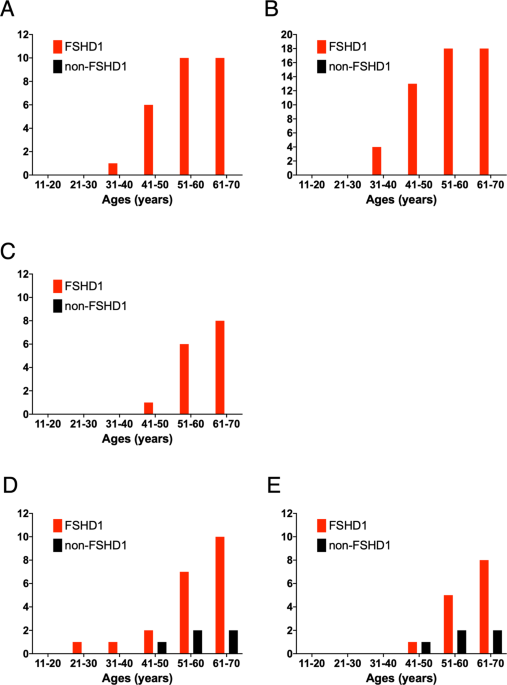
Gastrointestinal cancer occurs as extramuscular manifestation in FSHD1 patients

alexandrossfakianakis shared this article with you from Inoreader

10038_2022_1095_Fig1_HTML.png

Journal of Human Genetics, Published online: 07 November 2022; doi:10.1038/s10038-022-01095-0

Gastrointestinal cancer occurs as extramuscular manifestation in FSHD1 patients
View on Web

Πέμπτη 3 Νοεμβρίου 2022

The effect of changing to Bictegravir on lipids using real world data: A brief report

alexandrossfakianakis shared this article with you from Inoreader
The effect of changing to Bictegravir on lipids using real world data: A brief report

Analysis of variance for change in lipid subfractions in patients switching to bictegravir.


Abstract

What is known and objective

Cardiovascular disease is of increasing concern in patients living with HIV. The significant advancement in antiretroviral treatment has ensured that patients are now succumbing to traditional diseases of ageing. First generation antiretroviral therapy caused multiple side effects including significant dyslipidaemia. Despite the advancement and improving safety profile of treatment concerns remain about antiretroviral induced dyslipidaemia. We sought to investigate the real-world effect on lipids in patients switching to a Bictegravir based regime.

Methods

We conducted a retrospective analysis in patients switching therapy to Biktarvy at the Royal Liverpool University Hospital. Data was collected from the HIV database that is established for clinical use, as an electronic patient record, and audit purposes. Lipid data was cross checked with the Trust electronic reporting system. Participants were included if they were HIV-positive, >18 years and had switched to Biktarvy Patients were also required to have a lipid profile available 52 weeks prior to switching and 100 weeks post switching. Summary statistic were calculated and multiple regressions models were constructed to assess the independent predictors of lipid change. We also performed one way analysis of covariance (ANCOVA) to assess the impact of switching therapy on each quartile of the baseline lipid panel.

Results and discussion

There were 135 patients included in the analysis with a mean age of 47. The majority of the population were male (80%). At a mean follow up of 42 weeks post switch there was no significant difference in total cholesterol (p = 0.64), triglyceride (p = 0.64) or high density lipoprotein (HDL) cholesterol (p = 0.08). In the regression analysis the highest quartile of baseline total cholesterol and triglyceride were independently associated with improvement in lipid markers. Switching from protease inhibitor therapy was also significantly associated with improvement in triglyceride. In addition, the ANCVOA demonstrated that the highest quartiles of total cholesterol, triglyceride and the lowest quartile of HDL were associated with significant improvement in lipid markers after switching to Bictegravir.

What is new and conclusion

We demonstrated that patients with the most adverse lipid profiles at baseline had significant improvements in lipid profiles. In addition, patient switching away from protease inhibitor therapy also had significant improvements in triglyceride.

View on Web

Impact of belatacept and tacrolimus on cytomegalovirus viral load control and relapse in moderate and high‐risk cytomegalovirus serostatus kidney transplant recipients

alexandrossfakianakis shared this article with you from Inoreader

ABSTRACT

Background

: Belatacept improves long-term graft survival, but control of some primary viral infections may be impaired. We evaluated the impact of belatacept and tacrolimus on Cytomegalovirus (CMV) viral control, remission and relapse in CMV high-risk and moderate-risk recipients.

Methods

: Using a multi-state Markov model, we evaluated viral load state transitions of 173 kidney transplant recipients with at least 1 episode of viremia within 1 year after transplant: state 1, undetectable/low viral load; state 2, moderate viremia; and state 3, severe viremia.

Results

: Among high-risk recipients, belatacept-treated recipients exhibited significantly higher probability of entering moderate viremia (0.36; 95% CI = 0.31, 0.41) than tacrolimus-treated recipients (0.20; 95% CI = 0.13, 0.29). The expected number of days in viremic states differed. High-risk belatacept-treated recipients persisted in moderate viremia for significantly longer (128 days, 95% CI = 110, 146) than did tacrolimus-treated recipients (70.0 days, 95% CI = 45.2, 100) and showed a trend of shorter duration in low/undetectable viral load state (172 days, 95% CI = 148, 195) than did tacrolimus-treated recipients (239 days, 95% CI = 195, 277). Moderate-risk recipients showed better viral load control and with no differences by immunosuppression.

Conclusion

: High-risk belatacept-treated recipients showed defects in sustaining viral control relative to tacrolimus-treated recipients. Avoidance of initial use belatacept in high-risk recipients or development of modified management protocols should be considered.

This article is protected by copyright. All rights reserved

View on Web

Successful treatment of prolonged, severe COVID-19 lower respiratory tract disease in a B-cell ALL patient with an extended course of remdesivir and nirmatrelvir/ritonavir

alexandrossfakianakis shared this article with you from Inoreader
Abstract
A patient with B-cell acute lymphoblastic leukemia (ALL) and severe acute respiratory syndrome coronavirus 2 (SARS-CoV-2) had persistent, progressive pneumonia with viremia after 5 months of infection despite monoclonal antibodies, IV remdesivir and prolonged oral steroids. Twenty days of nirmatrelvir/ritonavir and 10 days of IV remdesivir led to full recovery.
View on Web

Vaccine effectiveness against influenza A(H3N2)-associated hospitalized illness, United States, 2022

alexandrossfakianakis shared this article with you from Inoreader
Abstract
Background
The COVID-19 pandemic was associated with historically low influenza circulation during the 2020–2021 season, followed by increase in influenza circulation during the 2021–2022 US season. The 2a.2 subgroup of the influenza A(H3N2) 3C.2a1b subclade that predominated was antigenically different from the vaccine strain.
Methods
To understand the effectiveness of the 2021–2022 vaccine against hospitalized influenza illness, a multi-state sentinel surveillance network enrolled adults aged ≥18 years hospitalized with acute respiratory illness (ARI) and tested for influenza by a molecular assay. Using the test-negative design, vaccine effectiveness (VE) was measured by comparing the odds of current season influenza vaccination in influenza-positive case-patients and influenza-negative, SARS-CoV-2-negative controls, adjusting for confounders. A separate analysis was performed to illustrate bias introduced by includin g SARS-CoV-2 positive controls.
Results
A total of 2334 patients, including 295 influenza cases (47% vaccinated), 1175 influenza- and SARS-CoV-2 negative controls (53% vaccinated), and 864 influenza-negative and SARS-CoV-2 positive controls (49% vaccinated), were analyzed. Influenza VE was 26% (95%CI: -14 to 52%) among adults aged 18-64 years, -3% (95%CI: -54 to 31%) among adults aged ≥65 years, and 50% (95%CI: 15 to 71%) among adults 18-64 years without immunocompromising conditions. Estimated VE decreased with inclusion of SARS-CoV-2-positive controls.
Conclusions
During a season where influenza A(H3N2) was antigenically different from the vaccine virus, vaccination was associated with a reduced risk of influenza hospitalization in younger immunocompetent adults. However, vaccination did not provide protection in adults ≥65 years of age. Improvements in vaccines, antivirals, and prevention strategies are warranted.
View on Web

BIOPASS-Hybrid-Navigation für die endoskopische Nasennebenhöhlenchirurgie – ein Assistenzsystem

alexandrossfakianakis shared this article with you from Inoreader

Twitter_Summary_Default.jpg

Laryngorhinootologie
DOI: 10.1055/a-1940-9723

Bisherige Navigationssysteme können zwar im Rahmen der funktionellen endoskopischen Nasennebenhöhlenchirurgie (FESS) die Position des „getrackten" Operationsinstruments in radiologische Schnitt-Bilddaten bestimmen, geben aber keine Hilfestellung direkt im videoendoskopischen Bild des Operateurs. Diese direkte Hilfestellung zur intraoperativen Orientierung und Risikoreduzierung zu entwickeln, war Ziel des BIOPASS-Projekts (Bi ld Ontologie und prozessgestütztes Assistenzsystem). Das Projekt verfolgt die Entwicklung eines neuartigen, markerlosen Navigationssystems für die FESS. BIOPASS beschreibt ein Hybrid-System, das verschiedene Sensordaten integriert und dem Chirurgen zur Verfügung stellt. Ziel ist es, das Tracking zu verlassen und ausschließlich Navigationsinformation direkt im Videobild zur Verfügung zu stellen. Die vorliegende Arbeit beschreibt den ersten Schritt der Entwicklung, im Rahmen dessen die Operationsphasen (Workflows) untersucht, die videoendoskopischen Landmarken klassifiziert und eine erste klinische Evaluation der Modellversion durchgeführt wurden. Die Ergebnisse stellen eine wichtige Grundlage und Plattform für den nächsten Projektschritt dar.
[...]

Georg Thieme Verlag KG Rüdigerstraße 14, 70469 Stuttgart, Germany

Article in Thieme eJournals:
Table of contents  |  Abstract  |  Full text

View on Web

Die Schnittstelle der Logopädie im Prozess der Geschlechtsangleichung von Mann zu Frau

alexandrossfakianakis shared this article with you from Inoreader

Laryngorhinootologie
DOI: 10.1055/a-1940-9794

Hintergrund Die Stimme ist für die Geschlechtsidentifikation während des Transitionsprozesses entscheidend, da die Stimmfeminisierung einen bedeutenden Anteil zum Gelingen des Passing hat. Um die Rolle der Logopädie während des interdisziplinären Geschlechtsangleichungsprozesses von MzF-Trans* einordnen zu können, bedarf es möglicher Handlungsempfehlungen für die Zusammenarbeit mit den beteiligten Ärzten. Material und Methoden Vier Experteninterviews aus den Bereichen der Phonochirurgie, Phoniatrie, Endokrinologie sowie plastischen Chirurgie wurden durchgeführt. Auf Grundlage dieser Interviews wurde ein potenzieller Leitlinienkonsens zur Einordnung der Rolle der Logopädie im Prozess der Geschlechtsangleichung von MzF-Trans* erstellt. Ergebnisse Anhand der Expertengespräche wird einheitlich empfohlen, die logopädische Stimmtherapie schon zu Beginn der Transition zu berücksichtigen. Primär sollte eine konservative Therapie berücksichtigt werden, um z.B. irreversible Operationen des Larynx zu vermeiden. Der Fokus logopädischer Stimmtherapie bei Stimmfeminisierung obliegt zentral bei der Anpassung der mittleren Sprechstimmlage. In postoperativen Fällen sollte die logopädische Stimmtherapie das Sprechverhalten an die neue Anatomie anpassen und Komplikationen, wie z.B. eine unökonomische Stimm- und Sprechgebung, vorbeugen. Schlussfolgerung Die aktuellen Interviews stellen einen ersten Einblick in die Kooperation von Logopäden und den medizinischen Fachbereichen zur Behandlung von MzF-Trans* dar. Um die Empfehlungen aus den Experteninterviews für einen potenziellen Leitlinienkonsens implementieren zu können, bedarf es Rücksprachen mit den hierzu beteiligten Fachgesellschaften sowie mehr randomisierter Studien zu spezifischen logopädischen Stimmtherapien.
[...]

Georg Thieme Verlag KG Rüdigerstraße 14, 70469 Stuttgart, Germany

Article in Thieme eJournals:
Table of contents  |  Abstract  |  Full text

View on Web