Αναζήτηση αυτού του ιστολογίου

Δευτέρα 15 Αυγούστου 2022

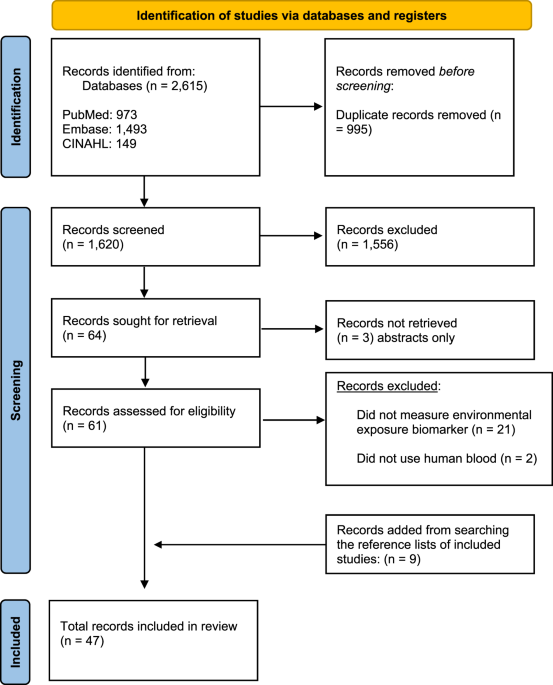
A state-of-the-science review and guide for measuring environmental exposure biomarkers in dried blood spots

alexandrossfakianakis shared this article with you from Inoreader

41370_2022_460_Fig1_HTML.png

View on Web

Recording jaw relation of a pediatric patient with ectodermal dysplasia and complete anodontia using a digital mini arch tracer: A case report

alexandrossfakianakis shared this article with you from Inoreader

Abstract

Children with ectodermal dysplasia and complete anodontia experience difficulties in oral rehabilitation because of the small arch size. A case of a 7-year-old boy, whose arch size (length and width) was 30–40% smaller than that of a male adult and who presented with difficulties in jaw relation recording using commercially available devices is described. A digital workflow involving a mini arch tracer was introduced. Primary impressions were made using three-dimensionally (3D) printed mini trays produced based on the patient's computed tomography images, and digital primary casts were obtained based on the scanned and reversed primary impressions. The final custom impression trays with mini tracing plates were designed based on the primary casts. In addition, the hand shank, retention plate, and retainers were placed on the designed custom trays and 3D-printed to produce an individual arch tracer system. In addition, two height checking buckles were designed to help adjust the height of a tracing screw. Finally, the jaw relation of the patient was recorded and transferred, and a set of complete dentures were delivered, satisfying both the patient and his family.

This article is protected by copyright. All rights reserved

View on Web

Association between per- and polyfluoroalkyl substances exposure and risk of diabetes: a systematic review and meta-analysis

alexandrossfakianakis shared this article with you from Inoreader

Journal of Exposure Science & Environmental Epidemiology, Published online: 15 August 2022; doi:10.1038/s41370-022-00464-3

Association between per- and polyfluoroalkyl substances exposure and risk of diabetes: a systematic review and meta-analysis
View on Web

Understanding Variation in Rotavirus Vaccine Effectiveness Estimates in the United States: The Role of Rotavirus Activity and Diagnostic Misclassification

alexandrossfakianakis shared this article with you from Inoreader
imageBackground: Estimates of rotavirus vaccine effectiveness (VE) in the United States appear higher in years with more rotavirus activity. We hypothesized rotavirus VE is constant over time but appears to vary as a function of temporal variation in local rotavirus cases and/or misclassified diagnoses. Methods: We analyzed 6 years of data from eight US surveillance sites on 8- to 59-month olds with acute gastroenteritis symptoms. Children's stool samples were tested via enzyme immunoassay (EIA); rotavirus-positive results were confirmed with molecular testing at the US Centers for Disease Control and Prevention. We defined rotavirus gastroenteritis cases by either positive on-site EIA results alone or positive EIA with Centers for Disease Control and Prevention confirmation. For each case definition, we estimated VE against any rotavirus gastroenteritis, moderate-to-severe disease, and hospitalization using two mixed-effect regression models: the first including year plus a year–vaccination interaction, and the second including the annual percent of rotavirus-positive tests plus a percent positive–vaccination interaction. We used multiple overimputation to bias-adjust for misclassification of cases defined by positive EIA alone. Results: Estimates of annual rotavirus VE against all outcomes fluctuated temporally, particularly when we defined cases by on-site EIA alone and used a year–vaccination interaction. Use of confirmatory testing to define cases reduced, but did not eliminate, fluctuations. Temporal fluctuations in VE estimates further attenuated when we used a percent positive–vaccination interaction. Fluctuations persisted until bias-adjustment for diagnostic misclassification. Conclusions: Both controlling for time-varying rotavirus activity and bias-adjusting for diagnostic misclassification are critical for estimating the most valid annual rotavirus VE.
View on Web

Complexity analysis of head movements in autistic toddlers

alexandrossfakianakis shared this article with you from Inoreader

Background

Early differences in sensorimotor functioning have been documented in young autistic children and infants who are later diagnosed with autism. Previous research has demonstrated that autistic toddlers exhibit more frequent head movement when viewing dynamic audiovisual stimuli, compared to neurotypical toddlers. To further explore this behavioral characteristic, in this study, computer vision (CV) analysis was used to measure several aspects of head movement dynamics of autistic and neurotypical toddlers while they watched a set of brief movies with social and nonsocial content presented on a tablet.

Methods

Data were collected from 457 toddlers, 17–36 months old, during their well-child visit to four pediatric primary care clinics. Forty-one toddlers were subsequently diagnosed with autism. An application (app) displayed several brief movies on a tablet, and the toddlers watched these movies while sitting on their caregiver's lap. The front-facing camera in the tablet recorded the toddlers' behavioral responses. CV was used to measure the participants' head movement rate, movement acceleration, and complexity using multiscale entropy.

Results

Autistic toddlers exhibited significantly higher rate, acceleration, and complexity in their head movements while watching the movies compared to neurotypical toddlers, regardless of the type of movie content (social vs. nonsocial). The combined features of head movement acceleration and complexity reliably distinguished the autistic and neurotypical toddlers.

Conclusions

Autistic toddlers exhibit differences in their head movement dynamics when viewing audiovisual stimuli. Higher complexity of their head movements suggests that their movements were less predictable and less stable compared to neurotypical toddlers. CV offers a scalable means of detecting subtle differences in head movement dynamics, which may be helpful in identifying early behaviors associated with autism and providing insight into the nature of sensorimotor differences associated with autism.

View on Web

Accuracy of reverse‐transcription polymerase chain reaction and loop‐mediated isothermal amplification in diagnosing severe fever with thrombocytopenia syndrome: A systematic review and meta‐analysis

alexandrossfakianakis shared this article with you from Inoreader

Abstract

Background

Nucleic acid molecular diagnostic technology plays an important role in the detection of severe fever with thrombocytopenia syndrome (SFTS). However, no relevant reports have been published on the accuracy of reverse-transcription polymerase chain reaction (RT-PCR) and reverse-transcription loop-mediated isothermal amplification (RT-LAMP) in the diagnosis of SFTS. Thus, we conducted a meta-analysis and systematic review to evaluate the accuracy of the two methods.

Methods

On June 19, 2022, we comprehensively searched the PubMed, Embase, Cochrane Library, Web of Science, Scoups, Ovid, Proquest, China National Knowledge Infrastructure Database, Wan Fang Data, Traditional Chinese Medicine Database (Sinomed), VIP Database and Reading Showing Database for articles on nucleic acid diagnostic techniques, such as RT-PCR and RT-LAMP, used to diagnose SFTS. Statistical analysis was performed using STATA 14.0 and Meta-Disc 1.4.

Results

Sixteen a rticles involving 2942 clinical blood samples were included in the analysis. RT-PCR and RT-LAMP were used as index tests, whereas RT-PCR or other detection methods were used as reference standards. The pooled values for the sensitivity, specificity, positive and negative likelihood ratios of the RT-PCR test were 0.97 (95% CI: 0.92, 0.99), 1.00 (95% CI: 0.98, 1.00), 483.87 (95% CI: 58.04, 4033.76), and 0.03 (95% CI:0.01, 0.08) respectively. Those for the RT-LAMP test were 0.95 (95% CI: 0.91, 0.97), 0.99 (95% CI: 0.93, 1.00), 111.18 (95% CI: 13.96, 885.27), and 0.05 (95% CI: 0.03, 0.09), respectively.

Conclusion

Both RT-PCR and RT-LAMP have high diagnostic value in SFTS and can be applied in different scenarios for laboratory confirmation or on-site screening.

This article is protected by copyright. All rights reserved.

View on Web

Lack of complete response pretransplant is not associated with inferior overall survival for stage 4a metastatic retinoblastoma

alexandrossfakianakis shared this article with you from Inoreader

Abstract

Background

Stage 4a metastatic retinoblastoma (RB) is curable with intensive multimodality therapy including myeloablative chemotherapy with autologous stem cell transplant (HDC-ASCT) and involved field radiation therapy (IFRT). To our knowledge, no data exist on the impact of (a) pre-ASCT disease status, and (b) IFRT to sites of metastatic disease post ASCT on survival.

Procedure

We retrospectively reviewed patients with stage 4a metastatic RB who underwent induction chemotherapy followed by HDC-ASCT, with or without IFRT, to residual tumor sites at Memorial Sloan Kettering Cancer Center (MSKCC) (n = 24).

Results

The degree of postinduction response prior to ASCT did not affect outcome, with 5-year overall survival (OS) of 68% and 86% in patients who achieved complete response (CR) and very good partial response (VGPR)/partial response (PR) prior to ASCT, respectively. IFRT administered post ASCT in patients with possible residual bony metastatic disease increases the likelihood of developing osteosarcoma in the radiation field.

Conclusion

OS for patients with stage 4a metastatic RB treated with ASCT with VGPR or PR to pretransplant chemotherapy was not significantly different from patients with CR. In addition, IFRT does not seem to be required for bony disease control and increased the likelihood of developing osteosarcoma.

View on Web

ELANE neutropenia and solid tumors: Four cases from the French severe chronic neutropenia registry

alexandrossfakianakis shared this article with you from Inoreader

Abstract

Neutropenia related to ELANE gene mutations predisposes patients to infection and leukemia/myelodysplasia, but little is known about the predisposition to cancer. Among a cohort of 147 patients, we identified four with malignant solid tumors (papillary thyroid cancer, anal squamous cell cancer, papillary renal cell carcinoma, and adrenocortical carcinoma), all aged 25–50 years. Three occurred with cyclic neutropenia, and one occurred with severe chronic neutropenia. Previous radiotherapy was identified as a risk factor in one patient. No genetic predisposition was identified in the three other patients.

View on Web

Effect of periodontal treatment on glycated hemoglobin and metabolic syndrome parameters: a randomized clinical trial.

alexandrossfakianakis shared this article with you from Inoreader

Abstract

Aim

to assess the effect of periodontal treatment on HbA1c and diagnostic parameters of patients with Metabolic Syndrome (MetS).

Material and Methods

A hundred and fifty-eight patients with MetS, and moderate and severe periodontitis were included. They were randomized into a test group (n=79), which received non-surgical periodontal treatment, and a control group (n=79), which received no treatment. Medical treatment was delivered to both groups. Clinical periodontal, anthropometric, and serological parameters were assessed at baseline, 3 and 6 months. The main outcome was glycated hemoglobin (HbA1c) levels, and the secondary outcomes were changes in the MetS parameters, C-reactive protein and HOMA indexes.

Results

Significant reductions in all the periodontal parameters were observed in the test group, compared with the control group, at 3 and 6 months (p<0.001). HbA1c levels, MetS parameters, C-reactive protein and HOMA indexes showed no significant differences between the test group and the control group at 3 and 6 months.

Conclusion(s)

periodontal treatment led to a substantial reduction in periodontal inflammation, although there was no significant effect on the parameters used for MetS diagnosis in patients with early-diagnosed and well-controlled MetS. Registration number NCT02012842, www.clinicaltrials.gov.

This article is protected by copyright. All rights reserved.
View on Web

Middle Fossa Decompression for Recurrent Facial Palsy: Prevalence and Surgical Outcomes

alexandrossfakianakis shared this article with you from Inoreader
Middle Fossa Decompression for Recurrent Facial Palsy: Prevalence and Surgical Outcomes

Our study examined the facial nerve and audiometric outcomes of patients undergoing middle fossa decompression for recurrent facial nerve paresis. We found that facial nerve decompression for patients with incomplete functional recovery may be an effective treatment for decreasing the frequency and severity of facial palsy episodes.


Objective

To investigate the surgical outcomes in patients treated for recurrent facial nerve palsy (RFP) at a quaternary facial nerve referral center.

Methods

A retrospective chart review was performed on 132 patients with RFP who presented to our institution's facial nerve clinic from 2001 to 2021. Records were analyzed for etiology of palsy, facial nerve function, and recurrence rates. Pre- and post-operative audiometric outcomes were also assessed in surgically managed patients.

Results

6.8% of RFP patients underwent surgical decompression. For patients who did not undergo surgery, the House-Brackmann (HB) score was 2.9 ± 1.3 (SD) at the initial clinic visit, and 2.4 ± 1.3 (SD) at the last clinic visit. This difference was significantly different (p = 0.01, t-test). For surgical patients, the pre-operative HB score was 2.9 ± 0.9 (SD) and post-operative HB score was 1.8 ± 0.6 (SD), which were significantly different (p = 0.01, t-test). The number of facial palsy episodes also decreased pre- and post-operatively from 3.5 ± 0.8 (SD) to 0.2 ± 0.4 (SD) episodes, which were significantly different (p < 0,001, t-test). Audiometric outcomes were not significantly different pre- and post-surgery (p = 0.31, t-test for PTA; p = 0.34, t-test for WRS).

Conclusion

Facial nerve decompression for RFP patients with incomplete functional recovery may be an effective treatment for decreasing the frequency and severity of facial palsy episodes.

Level of Evidence

4 Laryngoscope, 2022

View on Web