Αναζήτηση αυτού του ιστολογίου

Πέμπτη 21 Ιουλίου 2022

Saddle-Nose Deformity in the Setting of Diffuse Cutaneous Lesions in an African American Man

alexandrossfakianakis shared this article with you from Inoreader

ocg220009f1_1658248897.60275.png?Expires

An African American man aged 66 years presented with a history of severe nasal congestion and erythematous skin plaques of the forehead, malar eminence, and scalp. Examination revealed an inverted V deformity of the nasal septum along with near-complete obstruction of the nasal passages bilaterally. What is your diagnosis?
View on Web

Evaluate the safety and efficacy of dura sealant patch in reducing cerebrospinal fluid leakage following elective cranial surgery (ENCASE II): study protocol for a randomized, two-arm, multicenter trial

alexandrossfakianakis shared this article with you from Inoreader

13063.jpg

Cerebrospinal fluid (CSF) leakage is a frequent and challenging complication in neurosurgery, especially in the posterior fossa, with a prevalence of 8%. It is associated with substantial morbidity and increas...
View on Web

ELF4 is a critical component of a miRNA-transcription factor network and is a bridge regulator of glioblastoma receptor signaling and lipid dynamics

alexandrossfakianakis shared this article with you from Inoreader
Abstract
Background
The loss of neurogenic tumor suppressor microRNAs miR-124, miR-128, and miR-137 is associated with glioblastoma's undifferentiated state. Most of their impact comes via the repression of a network of oncogenic transcription factors. We conducted a high-throughput functional siRNA screen in glioblastoma cells and identify E74 like ETS transcription factor 4 (ELF4) as the leading contributor to oncogenic phenotypes.
Methods
In vitro and in vivo assays were used to assess ELF4 impact on cancer phenotypes. We characterized ELF4's mechanism of action via genomic and lipidomic analyses. A MAPK reporter assay verified ELF4's impact on MAPK signaling, and qRT-PCR and western blotting were used to corroborate ELF4 regulatory role on most relevant target genes.
Results
ELF4 knockdown resulted in significant proliferation delay and ap optosis in GBM cells and long-term growth delay and morphological changes in glioma stem cells (GSCs). Transcriptomic analyses revealed that ELF4 controls two interlinked pathways: 1) Receptor tyrosine kinase signaling, and 2) Lipid dynamics. ELF4 modulation directly affected Receptor Tyrosine Kinase (RTK) signaling, as mitogen-activated protein kinase (MAPK) activity was dependent upon ELF4 levels. Furthermore, shotgun lipidomics revealed that ELF4 depletion disrupted several phospholipid classes, highlighting ELF4's importance in lipid homeostasis.
Conclusions
We found that ELF4 is critical for the GBM cell identity by controlling genes of two dependent pathways: RTK signaling (SRC, PTK2B, TNK2) and lipid dynamics (LRP1, APOE, ABCA7, PLA2G6, and PITPNM2). Our data suggests that targeting these two pathways simultaneously may be therapeutically beneficial to GBM patients.
View on Web

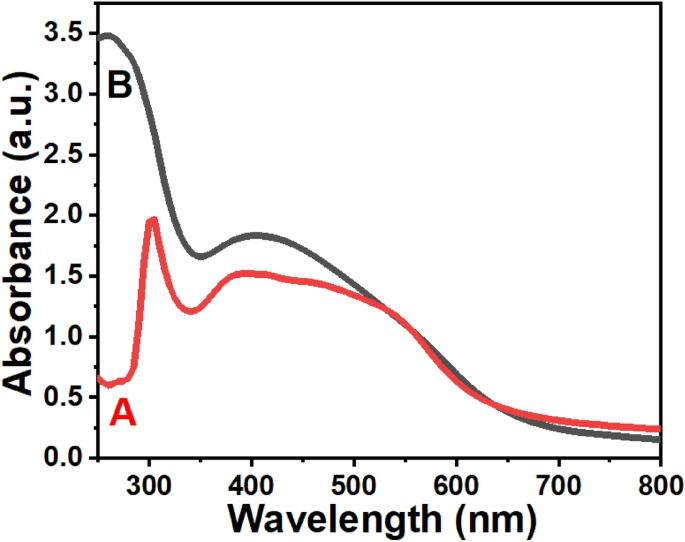
Characterization of the biosynthesized intracellular and extracellular plasmonic silver nanoparticles using Bacillus cereus and their catalytic reduction of methylene blue

alexandrossfakianakis shared this article with you from Inoreader

41598_2022_16029_Fig1_HTML.png

View on Web

Three-dimensional evaluation of postoperative stability: a comparative study between surgery-first and surgery-late protocols

alexandrossfakianakis shared this article with you from Inoreader
The main objective of this study was to compare the stability of the surgery-first and surgery-late approaches according to the standardized centre protocols, by three-dimensional evaluation after 1 year of follow-up. A retrospective study was designed that included a test group (surgery-first protocol) and a control group (surgery-late protocol), with a follow-up period of at least 1 year (average 14 months; range 12 –24 months). Stability was evaluated using linear and angular measurements by superimposing cone beam computed tomography images obtained at specific points in time: preoperatively, 1 month after surgery, and at the end of the orthodontic treatment. (Source: International Journal of Oral and Maxillofacial Surgery)
View on Web

Τετάρτη 20 Ιουλίου 2022

Diagnostic Delay in Human Papillomavirus Negative Oropharyngeal Squamous Cell Carcinoma

alexandrossfakianakis shared this article with you from Inoreader
Diagnostic Delay in Human Papillomavirus Negative Oropharyngeal Squamous Cell Carcinoma

Delays in care related to evaluations by multiple providers and misdiagnosis prolonged time to diagnosis in HPV(−)OPSCC. Improved patient and provider education is necessary to expedite the diagnosis of HPV(−)OPSCC.


Objective

Failure to recognize symptoms of non-human papillomavirus-associated oropharyngeal squamous cell carcinoma (HPV(−)OPSCC) at presentation can delay diagnosis and treatment. We aim to identify patient factors and provider practice patterns that delay presentation and care in HPV(−)OPSCC.

Methods

Retrospective review at a tertiary care center. Patients with HPV(−)OPSCC receiving treatment from 2006 to 2016. Patients were excluded if their date of symptom onset or diagnosis was unknown after thorough review of the electronic medical record or their tissue was not tested for HPV or p16. Clinical data, workup, and care timelines were abstracted. Univariate and multivariable linear regressions were performed to determine associations between patient and provider factors and delays in care.

Results

Of 70 included patients, 52 (74%) were male and mean age was 60.5 (SD = 9.0). Median time to diagnosis was 69 days (IQR = 32–127 days), with a median latency of 30 days (IQR = 12–61 days) from symptom onset to first presentation and 19.5 days (IQR = 4–46 days) from the first presentation to diagnosis. Most patients visited at least 2 providers (n = 52, 74%) before diagnosis. Evaluation by 3 or more providers prior to diagnosis was associated with significant delays in diagnosis of nearly a year (357.7 days, p < 0.001) and being treated or prescribed analgesia prior to diagnosis was significantly associated with delays in diagnosis (p = 0.004) on univariate regression analysis.

Conclusions

Delays in care related to evaluations by multiple providers and misdiagnosis prolonged time to diagnosis in HPV(−)OPSCC. Improved patient and provider education is necessary to expedite the diagnosis of HPV(−)OPSCC.

Level of Evidence

Level 4 Laryngoscope, 2022

View on Web

Safety and efficacy of molnupiravir in SARS‐CoV‐2 infected patients: a real‐life experience

alexandrossfakianakis shared this article with you from Inoreader

Abstract

Introduction

Since the start of the SARS-CoV-2 pandemic, several treatments have been proposed to cure Coronavirus Disease 2019 (COVID-19) and prevent it. Molnupiravir is a ribonucleoside prodrug of N-hydroxycytidine with an in vitro e in vivo activity against SARS-CoV-2.

Methods

We conducted a retrospective cohort study including all people treated with Molnupiravir between the 10th of January and the 31th of March 2022 at the University Hospital of Sassari. Molnupiravir was prescribed, according to the Italian Agency of Drug indications, in patients with recent symptoms onset (≤5five days), no need of oxygen supplementation, and with a high risk of disease progression for the presence chronic diseases.

Results

We included 192 people with a mean age of 70.4±15.4 years; 144 (75%) patients were over 60 years. During the follow-up, 20 (10.4%) patients showed a disease progression. At the multivariate analysis, older age, having neurological dis ease, and having dyspnea at the onset of the symptoms, and acquiring SARS-CoV-2 infeciton during an hospital admission were associated with an increased risk of progression. On the contrary, early start of treatment was associated with a reduced risk of disease progression. Molnupiravir was also extremely safe since 13 (6.8%) adverse events were reported, with only one interruption.

Conclusion

Our study shows that Monlupiravir confirmed its efficacy and safety in a real-life cohort that included a high percentage of elderly people with a high comorbidity burden.

This article is protected by copyright. All rights reserved.

View on Web

Understanding spatio-temporal human mobility patterns for malaria control using a multi-agent mobility simulation model

alexandrossfakianakis shared this article with you from Inoreader

cid_ogimage.png

ABSTRACT
Background
More details about human movement patterns are needed to evaluate relationships between daily travel and malaria risk at finer scales. A multi-agent mobility simulation model was built to simulate the movements of villagers between home and their workplaces in two townships in Myanmar.
Methods
An agent-based model (ABM) was built to simulate daily travel to and from work based on responses to a travel survey. Key elements for the ABM were lan dcover, travel time, travel mode, occupation, malaria prevalence, and a detailed road network. Most visited network segments (MVS) for different occupations and for malaria-positive cases were extracted and compared. Data from a separate survey was used to validate the simulation.
Results
Mobility characteristics for different occupation groups showed that while certain patterns were shared among some groups, there were also patterns that were unique to an occupation group. Forest workers were estimated to be the most mobile occupation group, and also had the highest potential malaria exposure associated with their daily travel in Ann Township. In Singu Township, forest workers were not the most mobile group; however, they were estimated to visit regions that had higher prevalence of malaria infection over other occupation groups.
Conclusions
Using an ABM to simulate daily travel generated mobility patterns for different occupation groups. These spatial patterns va ried by occupation. Our simulation identified occupations at a higher risk of being exposed to malaria and where these exposures were more likely to occur.
View on Web

Pediatric hematology providers’ contraceptive practices for female adolescents and young adults with sickle cell disease: A national survey

alexandrossfakianakis shared this article with you from Inoreader

Abstract

Background

Adolescent and young adult (AYA) women with sickle cell disease (SCD) have increased pregnancy-related health risks and are prescribed potentially teratogenic medications, yet limited data are available regarding pediatric SCD provider contraceptive practices. We aimed to assess pediatric hematology providers' beliefs, practices, motivators, and barriers for providing contraceptive care to female AYAs with SCD.

Methods

Guided by the Health Belief Model (HBM), we developed a 25-question, web-based survey to assess practices. Survey links were distributed nationwide to pediatric SCD and/or general hematology providers through their publicly available emails and by request to directors of U.S.-accredited Pediatric Hematology-Oncology fellowship programs for distribution to their SCD providers. Data analysis included descriptive statistics, chi-square analysis, and logistic regression.

Results

Of 177 respondents, 160 surveys meeting inclusion criteria were analyzed. Most providers reported counseling (77.5%) and referring female AYA patients for contraception (90.8%), but fewer reported prescribing contraception (41.8%). Proportionally fewer trainees provided counseling compared with established providers (54% vs. 85%, p < .001), with a similar trend for prescribing (p = .05). Prescription practices did not differ significantly by provider beliefs regarding potential teratogenicity of hydroxyurea. Key motivators included patient request and disclosure of sexual activity. Key barriers included inadequate provider training, limited visit time, and perceived patient/parent interest.

Conclusion

Provider contraceptive practices for female AYAs with SCD varied, especially by provider status. Health beliefs regarding teratogenic potential of hydroxyurea did not correlate with contraceptive practices. Clinical guidelines, provider training, and patient/parent decision-making tools may be tested to assess whether provider contraceptive practices could be improved.

View on Web

Τρίτη 19 Ιουλίου 2022

Differential avidity determination of IgG directed towards the receptor‐binding domain (RBD) of SARS‐CoV‐2 wildtype and its variants in one assay: Rational tool for the assessment of protective immunity.

alexandrossfakianakis shared this article with you from Inoreader

Abstract

The avidity (binding strength) of IgG directed towards the receptor-binding domain (RBD) of spike protein has been recognized as a central marker in SARS-CoV-2 serology. It seems to be linked to increased infection-neutralization potential and therefore might indicate protective immunity. Using a prototype line assay based on the established recomLine SARS-CoV-2 assay, supplemented with RBD of the delta and the omicron variant, differential avidity determination of IgG directed towards RBD of wild-type (WT) SARS-CoV-2 and distinct variants was possible within one assay. Our data confirm that natural SARS-CoV-2 infection or one vaccination step lead to low avidity IgG, whereas further vaccination steps gradually increase avidity to high values. High avidity is not reached by infection alone. After infection with WT SARS-CoV-2 or vaccination based on mRNA WT, the avidity of cross-reacting IgG directed towards RBD of the delta variant only showed marginal diffe rences compared to IgG directed towards RBD WT. In contrast, the avidity of IgG cross-reacting with RBD of the omicron variant was always much lower than for IgG RBD WT, except after the third vaccination step. Therefore, parallel avidity testing of RBD WT and omicron seems to be mandatory for a significant assessment of protective immunity towards SARS-CoV-2.

This article is protected by copyright. All rights reserved.

View on Web