Αναζήτηση αυτού του ιστολογίου

Δευτέρα 20 Σεπτεμβρίου 2021

COVID-19 infection in patients with acute leukemia; Istanbul experience

xlomafota13 shared this article with you from Inoreader

Am J Blood Res. 2021 Aug 15;11(4):427-437. eCollection 2021.

ABSTRACT

Coronavirus disease 2019 (COVID-19) has led to a global pandemic that has also challenged the management of various other life-threatening conditions, such as malignant disorders. In this study, we present the clinical features and treatment outcomes of twenty-seven COVID-19 positive patients with leukemia across seven different centers in Istanbul. From March 1st to December 31st 2020, 116 patients were diagnosed with acute leukemia. Thirty-two cases with acute lymphocytic leukemia (ALL), 82 cases with acute myeloid leukemia (AML), and 2 cases with mixed phenotype acute leukemia (MPAL) were identified. Of the 27 patients with the COVID-19 infection, seven patients had ALL, 19 patients had AML and one patient had MPAL. The mortality rate was 37% among the patients with AML, whereas there were no deaths in the ALL group. The mortality rate of AML patients with the COV ID-19 infection was higher compared to cases without the infection (P<0.05). We could not detect any significant difference in the ALL cohort. This study, which includes one of the largest acute leukemia series in literature proved that acute myeloid leukemia patients with the COVID-19 infection have worse outcomes than patients without the infection. The high mortality among patients with acute leukemias hospitalized with COVID-19 highlight the need for aggressive infection prevention, increased surveillance and protective isolation and even modification of the therapy, in case of minimal residual disease (MRD) negativity.

PMID:34540352 | PMC:PMC8446830

View on the web

Analysing 'tear-drop' prints of acute promyelocytic leukemia (APML): immunophenotypic prognostication of APML by FCM

xlomafota13 shared this article with you from Inoreader

Am J Blood Res. 2021 Aug 15;11(4):446-457. eCollection 2021.

ABSTRACT

INTRODUCTION: Acute promyelocytic leukemia (APML), although genetically and morphologically distinct from other AML (acute myeloid leukemia) subtypes, is one of the most best responsive acute myeloid leukemia. -Conventional diagnostic methods and morphological hints often fail in the majority of the cases in the peripheral laboratories owing to resource constraints, unavailability of cytogenetic work-up, hypogranular variants, morphological mimicry by AML-monocytic and myelo-monocytic, etc. Flowcytometry (FCM), however, can be utilized as a feasible and reliable immunophenotypic diagnostic and prognostic tool for prompt identification of APML. In order to rapidly and sensitively diagnose APML we intended to suggest a cost effective, sensitive FCM panel and also to prognositicate patients.

MATERIAL AND METHODS: In this retrospective study, flowcytometry characte ristics of 123 cases of acute promyelocytic leukemia were studied including 40 hypogranular variants. The expression of markers was compared with the Mean flurescent Intensity (MFI) and percent expression of markers. A non-statistical comparison was made with cases of acute monocytic leukemia. The cases were grouped according to their immunophenotype characteristics and expression with comparison of MFI by multivariate logistic regression. The aberrant markers positive at diagnostic and remission flow test were compared with the survival outcomes, and their positive predictive values were calculated.

RESULTS: The most common feature of side scatter property was the absence of blasts in the window and high side scatter, except hypogranular variants which had low side scatter. Immunophenotypically characterised by positivity for CD117, cMPO, and bright CD33 and CD13 positivity and lack of CD34 and HLA-DR was seen in the majority of APML including hypo-granular variant. We sugges t a rapid diagnostic four-tube panel for fast and rapid diagnosis of APML, including hypogranular variants with 100% sensitivity. The study also identified six groups of immunophenotypes with significant prediction values of APML, including hypogranular variants. The study also highlights CD2, CD56, and CD9 as prognostic markers for acute promyelocytic leukemia.

PMID:34540354 | PMC:PMC8446832

View on the web

Prevalence, knowledge and selected associated factors of anaemia among non-pregnant females of reproductive age in a tea estate community in Hantana, Kandy district, Sri Lanka

xlomafota13 shared this article with you from Inoreader

Am J Blood Res. 2021 Aug 15;11(4):438-445. eCollection 2021.

ABSTRACT

Anaemia among non-pregnant females of reproductive age remains a common public health problem globally, as well as in Sri Lanka. The objective of the study was to determine the prevalence of anaemia, asses the knowledge and the associated factors of anaemia among non-pregnant females of reproductive age in a tea estate community in Hantana, Kandy district, Sri Lanka. A descriptive cross-sectional study was conducted among 236 randomly selected non-pregnant females of reproductive age within the tea estate community belonging to two MOH (Medical Officers of Health) areas. The proportion of anaemia was determined by measuring haemoglobin (Hb) concentration using Mindray five-part automated blood analyser. The cut-off value to determine anaemia was set at 12.0 g/dL and respondents were categorized into three anaemia categories based on their Hb value. The common risk fa ctors and knowledge regarding anaemia were assessed using a pre-tested interviewer administered questionnaire. Data was analysed with SPSS version 25. Chi-square test was used to conduct a bi-variate analysis. Prevalence of anaemia was 33.1%, among whom 53.8% had mild anaemia, 39.7% had moderate anaemia and 6.4% had severe anaemia. Anaemia was significantly associated with being employed, delivery of a baby within the past 4 years, advancing age, low income (less than 20,000 LKR) and prolonged menstrual bleeding for more than 3 days. Majority (58.5%) had poor knowledge regarding anaemia with a mean score of 5.69 (SD ± 2.42) out of 12. Since anaemia is a multifactorial condition it requires a combination of interventions such as health education and promotion activities. This study aids in assessing the prevalence of anaemia among estate workers identify the significant factors contributing to anaemia.

PMID:34540353 | PMC:PMC8446824

View on the web

The relationship between CHA2DS2-VASc score and isolated coronary artery ectasia

xlomafota13 shared this article with you from Inoreader

Am J Blood Res. 2021 Aug 15;11(4):391-398. eCollection 2021.

ABSTRACT

INTRODUCTION: Coronary artery ectasia (CAE) is defined as localized or diffuse dilatation of the epicardial coronary arteries. We aimed to elucidate the relationship between the CHA2DS2-VASc score and CAE.

METHODS: The study population consisted of 122 patients with isolated CAE and 87 sex- and age-matched control subjects. The demographic, clinical, and laboratory profiles and CHA2DS2-VASc scores of patients with CAE and the control group were compared. The Markis classification was used to determine the extent of CAE. Coronary arteries in which ectasia was localized were identified. CHA2DS2-VASc scores were calculated for all patients. Parameters predicting the development of CAE were analyzed with multivariate logistic regression.

RESULTS: The majority of patients with CAE were male (76, 62%) and their mean age was 58.4 ± 8.3. The CHA2DS2-VASc score of the CAE group was significantly higher than that of the control group (2.41 ± 1.12 vs 1.52 ± 0.73, P < 0.001). Multivariate regression analysis showed that the CHA2DS2-VASc score (odds ratio [OR] = 1.607, P = 0.004), left ventricular ejection fraction (OR = 0.953, P = 0.044), uric acid (OR = 1.569, P = 0.003), white blood cell count (OR = 1.001, P < 0.001), highly sensitive C-reactive protein level (OR = 1.115, P = 0.010), and smoking (OR = 2.019, P = 0.043) were independent predictors of CAE.

CONCLUSION: High CHA2DS2-VASc scores were associated with isolated CAE; therefore, the score might be a useful predictor of coronary thrombus development in patients with isolated CAE.

PMID:34540347 | PMC:PMC8446825

View on the web

Adenotonsillectomy, bronchoscopy and bronchoalveolar lavage in the management of preschool children with severe asthma: pilot study

xlomafota13 shared this article with you from Inoreader

Eur Arch Otorhinolaryngol. 2021 Sep 20. doi: 10.1007/s00405-021-07084-x. Online ahead of print.

ABSTRACT

PURPOSE: This is a pilot study that describes the feasibility and clinical course of a cohort of preschool children with severe asthma undergoing a combined adenotonillectomy (TA), bronchoscopy (B), and bronchoalveolar lavage (BAL) procedure.

METHODS: A retrospective cohort study of preschool patients with severe asthma who underwent a combined TA-B-BAL procedure between 2012 and 2019. Subjects were treated at a tertiary care asthma clinic and had a diagnosis of preschool asthma according to the Canadian Thoracic Society Guidelines. Data on demographics, clinical characteristics, medication use, virology and microbiology from bronchoalveolar lavage, and asthma control questionnaires were collected. Variables were analyzed using paired t test.

RESULTS: Eighteen preschool subjects (mean age 3.19 ± 1.13 years) with severe asthma were identified through the asthma clinic. Patients treated with standard asthma care and a combined TA-B-BAL procedure experienced a decrease in the number of oral steroid courses (p = 0.017), emergency department visits (p = 0.03) and wheezing exacerbations (p = 0.026) following the procedure. Ten patients experienced clinically meaningful improvements in TRACK scores after the procedure (p < 0.001).

CONCLUSION: This pilot study provides early evidence that a combined TA-B-BAL procedure is feasible in preschool children with severe asthma and that the procedure may reduce asthma medication use and hospital visits.

PMID:34542655 | DOI:10.1007/s00405-021-07084-x

View on the web

Prognostic factors for descending necrotizing mediastinitis development in deep space neck infections-a retrospective study

xlomafota13 shared this article with you from Inoreader

Eur Arch Otorhinolaryngol. 2021 Sep 20. doi: 10.1007/s00405-021-07081-0. Online ahead of print.

ABSTRACT

OBJECTIVES: Descending necrotizing mediastinitis (DNM) is the most serious complication of deep neck infections (DNI). The objective of this retrospective study was to evaluate prognostic factors for DNM development in deep space neck infections.

METHODS: The study enrolled patients admitted to the Emergency Center of Vojvodina with the diagnosis of multispace DNI with or without DNM either as the primary diagnosis or with discharged diagnosis after surgical treatment during 7-year period. The data were obtained from patient medical records.

RESULTS: After final analysis total of 141 charts were randomized for statystical analysis, 124 charts in DNI and 17 in DNI + DNM groups. The most common cause of infection in both groups was odontogenic. On multivariate regression analysis of collected data infection of retropharyng eal, pretracheal and carotid space, C-reactive protein and procalcitonine values were statistically significant predictors for DNM development.

CONCLUSIONS: Treatment and diagnosis of DNM requires multidisciplinary approach, with prompt clinical and radiological examinations, empirical broad spectrum antibiotic therapy and radical surgical debridement. Multispace neck infection and especially infection of retropharyngeal, carotid and pretracheal spaces are the most sensitive predictors for DNM development in deep space neck infections.

CLINICAL RELEVANCE: If the infection from deep neck spaces reach retropharyngeal, carotid or pretracheal space, the DNM is probable to occur.

TRIAL REGISTRATION: ClinicalTrials.gov ID NCT04865003. Date of registration 27.4.2021.

PMID:34542654 | DOI:10.1007/s00405-021-07081-0

View on the web

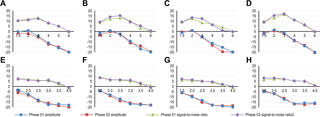
The effect of caffeine on tinnitus: Randomized triple-blind placebo-controlled clinical trial

xlomafota13 shared this article with you from Inoreader
Via Tinnitus

journal.pone.0256275.g002&size=inline

by Alleluia Lima Losno Ledesma, Daniele Leite Rodrigues, Isabella Monteiro de Castro Silva, Carlos Augusto Oliveira, Fayez Bahmad Jr

Objective

To test the hypothesis that caffeine can influence tinnitus, we recruited 80 patients with chronic tinnitus and randomly allocated them into two groups (caffeine and placebo) to analyze the self-perception of tinnitus symptoms after caffeine consumption, assuming that this is an adequate sample for generalization.

Methods

The participants were randomized into two groups: one group was administered a 300-mg capsule of caffeine, and the other group was given a placebo capsule (cornstarch). A diet that restricted caffeine consumption for 24 hours was implemented. The participants answered questionnaires (the Tinnitus Handicap Inventory—THI, the Visual Analog Scale—VAS, the profile of mood state—POMS) and underwent examinations (tonal and high frequency audiometry, acufenometry (frequency measure; intensity measure and the minimum level of tinnitus masking), transient otoacoustic emissions—TEOAE and distortion product otoacoustic emissions—DPOAE assessments) at two timepoints: at baseline and after capsule ingestion.

Results

There was a significant change in mood (measured by the POMS) after caffeine consumption. The THI and VAS scores were improved at the second timepoint in both groups. The audiometry assessment showed a significant difference in some frequencies between baseline and follow-up measurements in both groups, but these differences were not clinically relevant. Similar findings were observed for the amplitude and signal-to-noise ratio in the TEOAE and DPOAE measurements.

Conclusions

Caffeine (300 mg) did not significantly alter the psychoacoustic measures, electroacoustic measures or the tinnitus-related degree of discomfort.


View on the web

A retrospective review of cancer surveillance in 100 head and neck cancer patients: Is there scope for a more tailored approach?

xlomafota13 shared this article with you from Inoreader

Abstract

1. There is a considerable burden to outpatient head and neck cancer (HaNC) surveillance, and it is unclear to what extent the current recommendations facilitate the detection of HaNC.

2. Our 100 patient retrospective analysis demonstrated three asymptomatic recurrences (all within the first year of follow up) and 20 symptomatic recurrences (mean time to recurrence of 21.4 months).

3. 17 of the 23 (74%)patients who recurred did so within the first two years following primary treatment, increasing up to 19 of 23 (83%) by three years.

4. The value of routine follow up is more apparent within the first two to three years following primary treatment as this is when the rate of recurrence is highest.

5. Modernisation of follow up regimes is required in order to create a patient centred pathway which minimises intervention but diagnoses cancer recurrence effectively and quickly.

View on the web

Mechanism and adverse effects of COVID-19 drugs: a basic review

xlomafota13 shared this article with you from Inoreader

Int J Physiol Pathophysiol Pharmacol. 2021 Aug 15;13(4):102-109. eCollection 2021.

ABSTRACT

Coronavirus disease 2019 (COVID-19) is an infectious disease caused by severe acute respiratory syndrome coronavirus 2 (SARS-CoV-2). Coronavirus disease 2019 (COVID-19) is chronic, inflammatory. Although the exact mechanisms of COVID-19 have not been yet discovered some drugs are found helpful for its treatment. These drugs which are divided into some lines therapies, have demonstrated to be helpful for COVID-19 patients based on immune basic and its antiviral properties of the disease. Previous studies have been indicated that deterioration of COVID-19 condition is associated with a weaker immune system. Most of these therapies impact on the immune system and immune cells. Beside many beneficial effects of these drugs, some adverse effects (AE) have been reported in many experiments and clinical trials among patients suffering from COVID-19. In this review, we conclude some AEs of vitamin-D, zinc, remdesivir, hydroxychloroquine or chloroquine, azithromycin, dexamethasone, amantadine, aspirin reported in different papers and we continue the rest of the drugs in second part of our review article.

PMID:34540130 | PMC:PMC8446775

View on the web

Comparison of therapeutic effects of statins and aloe vera mouthwash on chemotherapy induced oral mucositis

xlomafota13 shared this article with you from Inoreader

Int J Physiol Pathophysiol Pharmacol. 2021 Aug 15;13(4):110-116. eCollection 2021.

ABSTRACT

BACKGROUND: Chemotherapy induced oral mucositis is a common problem among patients with cancer. Different therapeutic agents have been evaluated to prevent or treat the disease. Here we aimed to compare therapeutic effects of atorvastatin and aloe vera mouthwash on chemotherapy induced oral mucositis.

METHODS: 120 patients with large intestine and gastric cancer who were treated with 5-fluorouracil (FOLFOX4) for the first time were entered and randomized into 3 groups. Group 1 received tablets of atorvastatin 10 mg daily until 2 weeks after chemotherapy sessions plus placebo mouthwash. Group 2 received aloe vera mouthwash plus placebo tablets and group 3 received placebo mouthwash and placebo tablets until 2 weeks after chemotherapy sessions. Severity of mucositis was assessed using world health organization (WHO) indexes. Based on this me thod, mucositis is divided into 4 grades. This study was approved by Iranian Registry of Clinical Trials (IRCT) with the code of: IRCT20201203049585N1 (https://fa.irct.ir/trial/54037).

RESULTS: Analysis of the incidence of mucositis among patients showed that in placebo group, 50% of patients experienced grade 2 to 4 mucositis. In group 1, 9 patients (22.5%) had grade 2 mucositis and 6 patients (15%) had grade 3 mucositis and 4 patients (10%) had grade 4 mucositis. In group 2, only 1 patient (2.5%) was diagnosed with grade 2 mucositis. These data showed no significant differences between group 1 and group 3 (P=0.674), but the therapeutic results of group 2 were significantly better than those of group 3 (P=0.042) and group 1 (P=0.036).

CONCLUSION: We showed that treatments with aloe vera mouthwash could be an effective choice in prevention of mucositis for patients undergoing chemotherapy. There are also much to discover about effects of aloe vera mouthwash on this disea se.

PMID:34540131 | PMC:PMC8446774

View on the web

Mental health indicators in the later phase of lockdown due to COVID-19 pandemic in healthy youth combined elderly people: a web-based cross-sectional survey

xlomafota13 shared this article with you from Inoreader

Int J Physiol Pathophysiol Pharmacol. 2021 Aug 15;13(4):117-125. eCollection 2021.

ABSTRACT

Lockdown was implemented throughout the world in March 2020 to control the spread of covid-19 infection. It affected the mental health of people in various ways. This web-based cross-sectional survey was conducted in the general population of India with an aim to evaluate the mental health of the healthy individuals in the later stage of the lockdown period. Data on socio-demographic factors, anxiety, depression (HADS scale), perceived stress (PSS scale), insomnia (insomnia severity index), subjective psychological feeling of well-being (WHO-5 well-being Index), and attitude towards covid-19 (7-point Likert scale) was collected. Univariate regression analysis and Karl Pearson's correlation were used to analyze the correlation of mental health abnormalities with socio-demographic factors. 119 subjects of mean age of 36.03 ± 18.04 years took part in the study. Their average number of days of stay at home during the lockdown and the average number of days of the lifestyle changes was 49.07 ± 31.92 and 61.39 ± 20.03 days, respectively. Depression, anxiety, stress, and clinical insomnia due to covid-19 were reported in 13.45%, 10.92%, 14.29%, and 11.76% subjects, respectively. There was a significant correlation of depression, anxiety, stress, and WHO-5 well-being score with age, socio-economic status, and the average number of days of the change in lifestyle due to the COVID-19 pandemic (P < 0.05). Therefore, the study concluded that the abnormalities of mental health were less prevalent in the older age group and lower socioeconomic status in the later phase of lockdown.

PMID:34540132 | PMC:PMC8446773

View on the web