Αναζήτηση αυτού του ιστολογίου

Δευτέρα 26 Απριλίου 2021

Traumatic ischemic injury in a top of the basilar distribution: a case report

xloma.fota13 shared this article with you from Inoreader

Abstract

Background

Top of the basilar syndrome is a rare, heterogeneous disorder that has previously only been described in the setting of acute ischemic stroke in predominantly elderly patients. We present the first reported case of traumatic brain injury (TBI) causing ischemia in a top of the basilar distribution.

Case presentation

A 19-year-old woman suffered an acute subdural hematoma and sustained hypoxemia after being struck by a motor vehicle. Neurosurgical evacuation of the hematoma was undertaken. Magnetic resonance imaging revealed ischemic injury in the midbrain and diencephalic structures fitting a top of the basilar distribution. No associated vascular injury was identified. The patient was eventually discharged in a state of persistent unresponsive wakefulness.

Conclusions

Ischemia in a top of the basilar distribution may occur in the setting of TBI. A high degree of clinical suspicion is required to identify this disorder. Further study of the complex inflammatory microenvironment and associated tissue perfusion dynamics in TBI are needed in order to elucidate the mechanisms underlying ischemic injury patterns, develop management paradigms and predict prognosis.

View on the web

The frequency of cytomegalovirus non-ELR UL146 genotypes in neonates with congenital CMV disease is comparable to strains in the background population

xloma.fota13 shared this article with you from Inoreader

12879.jpg

Congenital cytomegalovirus disease (cCMV) is common and can be fatal or cause severe sequelae. Circulating strains of cytomegalovirus carry a high number of variable or disrupted genes. One of these is UL146, ...
View on the web

Episodic headache with spontaneous hypothermia reveal Shapiro’s syndrome variant with effectiveness of clonidine therapy

xloma.fota13 shared this article with you from Inoreader

10194.jpg

Episodic headache with spontaneous hypothermia constitute an uncommon association and is not well recognized in the International Classification of Headache Disorders (ICHD-3). Spontaneous periodic hypothermia...
View on the web

Cancers, Vol. 13, Pages 2100: BLBP Is Both a Marker for Poor Prognosis and a Potential Therapeutic Target in Paediatric Ependymoma

xloma.fota13 shared this article with you from Inoreader
Via Cancers

cancers-13-02100-g001-550.jpg

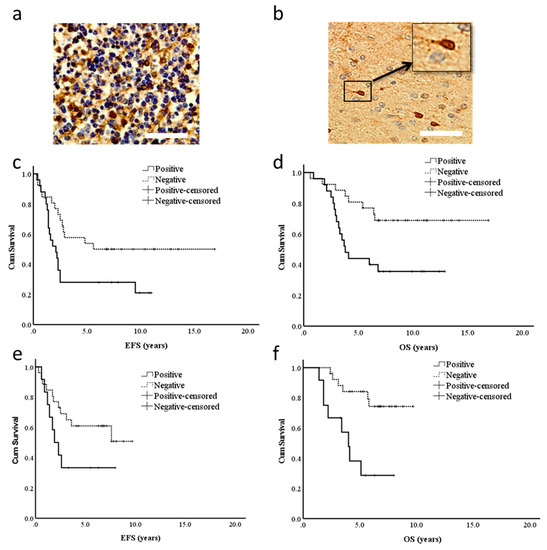
Cancers, Vol. 13, Pages 2100: BLBP Is Both a Marker for Poor Prognosis and a Potential Therapeutic Target in Paediatric Ependymoma

Cancers doi: 10.3390/cancers13092100

Authors: Durgagauri H. Sabnis Jo-Fen Liu Lucy Simmonds Sophie Blackburn Richard G. Grundy Ian D. Kerr Beth Coyle

Paediatric ependymomas are aggressive, treatment-resistant tumours with a tendency towards relapse, consistent with a sub-population of therapy-resistant cancer stem cells. These cells are believed to derive from brain lipid binding protein (BLBP)-expressing radial glia, hence we proposed that BLBP may be a marker for ependymoma therapy resistance. BLBP protein expression correlated with reduced overall survival (OS) in patients from two trials (CNS9204, a chemotherapy-led infant trial—5 y OS 45% vs. 80%, p = 0.011—and CNS9904, a radiotherapy-led trial—OS 38% vs. 85%, p = 0.002). All ependymoma cell lines examined by qRT-PCR expressed BLBP, with expression elevated in stem cell-enriched neurospheres. Modulation of BLBP function in 2D and 3D assays, using either peroxisome proliferator activated receptor (PPAR) antagonists or BLBP's fatty acid substrate docosahexaneoic acid (DHA), potentiated chemotherapy response and reduced cell migration and invasion in ependymoma cell lines. BLBP is therefore an independent predictor of poor survival in paediatric ependymoma, and treatment with PPAR antagonists or DHA may represent effective novel therapies, preventing chemotherapy resistance and invasion in paediatric ependymoma patients.

View on the web

Cancers, Vol. 13, Pages 2099: De-Escalation of Therapy for Patients with Early-Stage Squamous Cell Carcinoma of the Anus

xloma.fota13 shared this article with you from Inoreader
Via Cancers

cancers-logo-sq.png?408dc9807ec22d6b

Cancers, Vol. 13, Pages 2099: De-Escalation of Therapy for Patients with Early-Stage Squamous Cell Carcinoma of the Anus

Cancers doi: 10.3390/cancers13092099

Authors: Eric Miller Jose Bazan

The incidence of squamous cell carcinoma of the anus (SCCA) is increasing, particularly in the elderly, with increased mortality in this age group. While the current standard of care for localized SCCA remains chemoradiation (CRT), completion of this treatment can be challenging with risks for severe acute and late toxicity. It remains unclear if full course CRT is required for the management of early-stage SCCA or if de-escalation of treatment is possible without compromising patient outcomes. Alternative therapies include radiation therapy alone or local excision for appropriate patients. Modifying standard CRT may also reduce toxicity including the routine use of intensity-modulated radiation therapy for treatment delivery, modification of treatment volumes, and selection and dosing of concurrent systemic therapy agents. Finally, we provide an overview of currently accruing prospective trials focused on defining the role of de-escalation of therapy in patients with early-stage SCCA.

View on the web

Critical illness-related corticosteroid insufficiency during difficult weaning from mechanical ventilation

xloma.fota13 shared this article with you from Inoreader

13613.jpg

Critical illness-related corticosteroid insufficiency (CIRCI) is common during critical illness and is usually associated with poor outcomes, as prolonged duration of mechanical ventilation (MV) and higher mor...
View on the web

Cancers, Vol. 13, Pages 2101: Emerging Lab-on-a-Chip Approaches for Liquid Biopsy in Lung Cancer: Status in CTCs and ctDNA Research and Clinical Validation

xloma.fota13 shared this article with you from Inoreader
Via Cancers

cancers-13-02101-g001-550.jpg

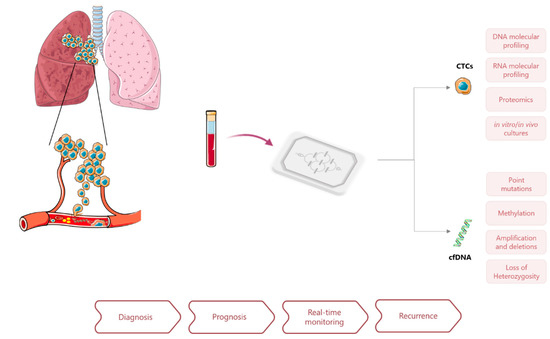
Cancers, Vol. 13, Pages 2101: Emerging Lab-on-a-Chip Approaches for Liquid Biopsy in Lung Cancer: Status in CTCs and ctDNA Research and Clinical Validation

Cancers doi: 10.3390/cancers13092101

Authors: Ângela Carvalho Gabriela Ferreira Duarte Seixas Catarina Guimarães-Teixeira Rui Henrique Fernando J. Monteiro Carmen Jerónimo

Despite the intensive efforts dedicated to cancer diagnosis and treatment, lung cancer (LCa) remains the leading cause of cancer-related mortality, worldwide. The poor survival rate among lung cancer patients commonly results from diagnosis at late-stage, limitations in characterizing tumor heterogeneity and the lack of non-invasive tools for detection of residual disease and early recurrence. Henceforth, research on liquid biopsies has been increasingly devoted to overcoming these major limitations and improving management of LCa patients. Liquid biopsy is an emerging field that has evolved significantly in recent years due its minimally invasive nature and potential to assess various disease biomarkers. Several strategies for characterization of circulating tumor cells (CTCs) and circulating tumor DNA (ctDNA) have been developed. With the aim of standardizing diagnostic and follow-up practices, microfluidic devices have been introduced to improve biomarkers isolation efficiency and specificity. Nonetheless, implementation of lab-on-a-chip platforms in clinical practice may face some challenges, considering its recent application to liquid biopsies. In this review, recent advances and strategies for the use of liquid biopsies in LCa management are discussed, focusing on high-throughput microfluidic devices applied for CTCs and ctDNA isolation and detection, current clinical validation studies and potential clinical utility.

View on the web

Correlation of Voice Hoarseness and Vocal Cord Palsy: A Prospective Assessment of Recurrent Laryngeal Nerve Injury Following Anterior Cervical Discectomy and Fusion

xloma.fota13 shared this article with you from Inoreader

Int J Spine Surg. 2021 Feb;15(1):12-17. doi: 10.14444/8001. Epub 2021 Feb 12.

ABSTRACT

BACKGROUND: Injury to the recurrent laryngeal nerve (RLN) has been implicated as a common complication following anterior cervical discectomy and fusion (ACDF) surgery. The purpose of this study is to determine the true incidence of voice hoarseness and RLN palsy following ACDF surgery, to determine the reliability of symptoms in the diagnosis of RLN injury, and to evaluate factors related to the development of these symptoms.

METHODS: All patients undergoing elective (primary or secondary) ACDF surgery at a single institution consented to and enrolled in the present study. All approaches were through the left side. Enrolled patients received both preoperative and postoperative (within 1 month following surgery) laryngoscopy by a fellowship-trained ENT physician for evaluation of RLN function. Patients also responded as to whether they were experienci ng postoperative symptoms of dysphagia, aspiration, and voice changes.

RESULTS: In total, 108 patients were included in this study. Mean age of the population was 59.2 ± 10.7 years and mean body mass index was 31.2 ± 7.1 kg/m2. Three patients had previously undergone a thyroidectomy, whereas 20 patients had undergone a previous ACDF. Average intubation time for ACDF surgery was 121.6 ± 38.5 minutes. After surgery and excluding patients who were experiencing preoperative symptoms, 19 patients (20.4%) complained of dysphagia, 2 patients (1.9%) complained of aspiration symptoms, and 5 patients (4.6%) complained of voice hoarseness. There was no incidence of vocal cord palsy from postoperative laryngoscopy. From multivariate analysis, endotracheal cuff pressure after retractor placement was correlated to postoperative voice hoarseness, dysphagia, and aspiration symptoms.

CONCLUSIONS: From the results of this prospective study, the RLN remained functional even a month after surgery despite several cases of postoperative dysphagia, aspiration, and voice changes. Endotracheal cuff pressure, number of vertebral levels, body mass index, and intubation time were important variables related to postoperative symptoms.

CLINICAL RELEVANCE: Voice hoarseness does not necessarily indicate recurrent laryngeal nerve injury after ACDF but may be caused by compressive forces on laryngeal tissue during retraction or intubation. Laryngoscopy should be performed in cases with high clinical suspicion.

LEVEL OF EVIDENCE: 2.

PMID:33900952 | DOI:10.14444/8001

View on the web

Web-Based Educational Intervention for Patients With Uninvestigated Dyspepsia Referred for Upper Gastrointestinal Tract Endoscopy: A Randomized Clinical Trial

xloma.fota13 shared this article with you from Inoreader

JAMA Intern Med. 2021 Apr 26. doi: 10.1001/jamainternmed.2021.1408. Online ahead of print.

ABSTRACT

IMPORTANCE: Diagnostic yield of upper gastrointestinal (GI) tract endoscopy for uninvestigated dyspepsia is low, and its clinical implications are limited. There is an unmet need for better strategies to reduce the volume of upper GI tract endoscopic procedures for dyspepsia.

OBJECTIVE: To study the effectiveness of a web-based educational intervention as a tool to reduce upper GI tract endoscopy in uninvestigated dyspepsia.

DESIGN, SETTING, AND PARTICIPANTS: This open-label, multicenter, randomized clinical trial enrolled participants between November 1, 2017, and March 31, 2019, with follow-up 52 weeks after randomization, at 4 teaching hospitals in the Netherlands. Participants included patients with uninvestigated dyspeptic symptoms who were referred for upper GI tract endoscopy by their general health care clinician without pri or consultation of a gastroenterologist. A total of 119 patients, aged 18 to 69 years, were included. Patients were excluded if any of the following red flag symptoms were present: (indirect) signs of upper GI tract hemorrhage (hematemesis, melena, hematochezia, or anemia), unintentional weight loss of 5% or higher of normal body weight during a period of 6 to 12 months, persistent vomiting, dysphagia, or jaundice.

INTERVENTIONS: Patients were randomly assigned (1:1) to education (intervention) or upper GI tract endoscopy (control). Education consisted of a self-managed web-based educational intervention, containing information on gastric function, dyspepsia, and upper GI tract endoscopy.

MAIN OUTCOMES AND MEASURES: Difference in the proportion of upper GI tract endoscopy procedures between those who received access to the web-based educational intervention and those who did not at 12 weeks and 52 weeks after randomization, analyzed in the intention-to-treat population. Secondary outcomes included quality of life (Nepean Dyspepsia Index) and symptom severity (Patient Assessment of Gastrointestinal Disorders Symptom Severity Index) measured at baseline and 12 weeks.

RESULTS: Of 119 patients included (median age, 48 years [interquartile range, 37-56 years]; 48 men [40%]), 62 were randomized to web-based education (intervention) and 57 to upper GI tract endoscopy (control). Significantly fewer patients compared with controls underwent upper GI tract endoscopy after using the web-based educational intervention: 24 (39%) vs 47 (82%) (relative risk, 0.46; 95% CI, 0.33-0.64; P < .001). Symptom severity and quality of life improved equivalently in both groups. One additional patient in the intervention group required upper GI tract endoscopy during follow-up.

CONCLUSIONS AND RELEVANCE: Findings of this study indicate that web-based patient education is an effective tool to decrease the need for upper GI tract endoscopy in uninvestigated dysp epsia.

TRIAL REGISTRATION: ClinicalTrials.gov Identifier: NCT03205319.

PMID:33900373 | DOI:10.1001/jamainternmed.2021.1408

View on the web

Κυριακή 25 Απριλίου 2021

Parents' experience of caring for children with type 1 diabetes in mainland China: A qualitative study

paythelady.612 shared this article with you from Inoreader

World J Clin Cases. 2021 Apr 16;9(11):2478-2486. doi: 10.12998/wjcc.v9.i11.2478.

ABSTRACT

BACKGROUND: Parents of children with type 1 diabetes mellitus (T1DM) are under heavy caregiving stress, and parental caregivers' experience can affect the health outcomes of children with T1DM.

AIM: To describe the true inner feelings of parents caring for children with T1DM.

METHODS: Descriptive research methods were used to classify and summarize parents' experience when adapting to the role of caregivers for children with T1DM. The data was sorted and analyzed using content analysis. Themes of parents' experience caring for children with T1DM were refined, and their feelings were deeply investigated.

RESULTS: A total of 4 themes and 12 subthemes were identified: (1) Desire for information (disease-related information, home care information, and channels of information acquisition); (2) Skill guidance needs (insulin injection t echniques, skills required for symptom management, and skills for parent-child communication); (3) Seeking emotional support (family support, peer support from other parents of children with T1DM, and professional support); and (4) Lack of social support (needs for financial support and needs for social security).

CONCLUSION: Exploring the true experience of parents caring for children with T1DM is of great significance for helping them adapt to their role as caregivers. Nurses should provide professional guidance in terms of information, skills, emotion, and social support to parental caregivers.

PMID:33889613 | PMC:PMC8040164 | DOI:10.12998/wjcc.v9.i11.2478

View on the web

Impact of type 2 diabetes on adenoma detection in screening colonoscopies performed in disparate populations

paythelady.612 shared this article with you from Inoreader

World J Clin Cases. 2021 Apr 16;9(11):2433-2445. doi: 10.12998/wjcc.v9.i11.2433.

ABSTRACT

BACKGROUND: The Black/African Ancestry (AA) population has a higher prevalence of type 2 diabetes mellitus (T2DM) and a higher incidence and mortality rate for colorectal cancer (CRC) than all other races in the United States. T2DM has been shown to increase adenoma risk in predominantly white/European ancestry (EA) populations, but the effect of T2DM on adenoma risk in Black/AA individuals is less clear. We hypothesize that T2DM has a significant effect on adenoma risk in a predominantly Black/AA population.

AIM: To investigate the effect of T2DM and race on the adenoma detection rate (ADR) in screening colonoscopies in two disparate populations.

METHODS: A retrospective cohort study was conducted on ADR during index screening colonoscopies (age 45-75) performed at an urban public hospital serving a predominantly Black/AA population ( 92%) (2017-2018, n = 1606). Clinical metadata collected included basic demographics, insurance, body mass index (BMI), family history of CRC, smoking, diabetes diagnosis, and aspirin use. This dataset was combined with a recently reported parallel retrospective cohort data set collected at a suburban university hospital serving a predominantly White/EA population (87%) (2012-2015, n = 2882).

RESULTS: The ADR was higher in T2DM patients than in patients without T2DM or prediabetes (35.2% vs 27.9%, P = 0.0166, n = 981) at the urban public hospital. Multivariable analysis of the combined datasets showed that T2DM [odds ratio (OR) = 1.29, 95% confidence interval (CI): 1.08-1.55, P = 0.0049], smoking (current vs never OR = 1.47, 95%CI: 1.18-1.82, current vs past OR = 1.32, 95%CI: 1.02-1.70, P = 0.0026), older age (OR = 1.05 per year, 95%CI: 1.04-1.06, P < 0.0001), higher BMI (OR = 1.02 per unit, 95%CI: 1.01-1.03, P = 0.0003), and male sex (OR = 1.87, 95%CI: 1.62-2.15, P < 0.0001) were associated with increased ADR in the combined datasets, but race, aspirin use and insurance were not.

CONCLUSION: T2DM, but not race, is significantly associated with increased ADR on index screening colonoscopy while controlling for other factors.

PMID:33889609 | PMC:PMC8040183 | DOI:10.12998/wjcc.v9.i11.2433

View on the web