Αναζήτηση αυτού του ιστολογίου

Πέμπτη 4 Φεβρουαρίου 2021

Gene expression-based prediction of neoadjuvant chemotherapy response in early breast cancer: results of the prospective multicenter EXPRESSION trial

xloma.fota13 shared this article with you from Inoreader

Purpose: Expression-based classifiers to predict complete pathological response (pCR) after neoadjuvant chemotherapy (NACT) are not routinely used in the clinic. We aimed to build and validate a classifier for pCR after NACT. Experimental Design: We performed a prospective multicenter study (EXPRESSION) including 114 patients treated with anthracycline/taxane-based NACT. Pretreatment core-needle biopsies from 91 patients were used for gene expression analysis and classifier construction, followed by validation in five external cohorts (n=619). Results: A 20-gene classifier established in the EXPRESSION cohort using a Youden's index-based cutpoint predicted pCR in the validation cohorts with an accuracy, area under the curve (AUC), negative predictive value (NPV), positive predictive value (PPV), sensitivity and specificity of 0.811, 0.768, 0.829, 0.587, 0.216 and 0.962, respectively. Alternatively, aiming for a high NPV by defining the cutpoint for classi fication based on the complete responder with the lowest predicted probability of pCR in the EXPRESSION cohort led to an NPV of 0.960 upon external validation. With this extreme-low cutpoint, a recommendation to not treat with anthracycline/taxane-based NACT would be possible for 121 of 619 unselected patients (19.5%) and 112 of 322 luminal breast cancer patients (34.8%). The analysis of the molecular subtypes showed that the identification of patients who do not achieve a pCR by the 20 gene classifier was particularly relevant in luminal breast cancer. Conclusions: The novel 20 gene classifier reliably identifies patients who do not achieve a pCR in about one third of luminal breast cancer in both the EXPRESSION and the combined validation cohort.

View on the web

Safety, anti-tumor activity and T-cell responses in a dose-ranging phase 1 trial of the oncolytic peptide LTX-315 in patients with solid tumors

xloma.fota13 shared this article with you from Inoreader

Purpose: LTX-315 is a first in class, 9-mer membranolytic peptide that has shown potent immunomodulatory properties in preclinical models. We conducted a phase 1 dose-escalating study of intratumoral LTX-315 administration in patients with advanced solid tumors. Patient and methods: Thirty-nine patients were enrolled, receiving LTX-315 injections into accessible tumors. The primary objective was to assess the safety and tolerability of this approach, with anti-tumor and immunomodulatory activity as secondary objectives. Tumor biopsies were collected at baseline and post-treatment for analysis of immunological parameters. Results: The most common treatment-related grade 1-2 adverse events were vascular disorders including transient hypotension (18 patients, 46%), flushing (11 patients, 28%), and injection site reactions in 38% of patients. The most common grade 3 LTX-315-related toxicities were hypersensitivity or anaphylaxis (4 patients, 10%). Analysis of im mune endpoints in serial biopsies indicated that LTX-315 induces necrosis and CD8+ T cell infiltration into the tumor microenvironment. Sequencing of the TCR repertoire in peripheral blood identified significant expansion of T-cell clones after treatment, of which 49% were present in available tumor biopsies after treatment, suggesting that they were tumor-associated. Substantial volume reduction ({greater than or equal to}30%) of injected tumors occurred in 29% of the patients, and 86% (12 out of 14 biopsies) had an increase in intralesional CD8+ T cells post-treatment. No partial responses by immune-related response criteria were seen, but evidence of abscopal effect was demonstrated following treatment with LTX-315. Conclusions: LTX-315 has an acceptable safety profile, is clinically active, induces changes in the tumor microenvironment and contributes to immune-mediated anticancer activity.

View on the web

Emergence of Enzalutamide resistance in prostate cancer is associated with BCL-2 and IKKB dependencies

xloma.fota13 shared this article with you from Inoreader

Purpose:Although enzalutamide (ENZ) has been widely used to treat de novo or castration-resistant metastatic prostate cancer, resistance develops, and disease progression is ultimately inevitable. There are currently no approved targeted drugs to specifically delay or overcome ENZ-resistance. Experimental Design:We selected several ENZ-resistant cell lines that replicated clinical characteristics of the majority of patients with ENZ-resistant disease. A high- throughput pharmacological screen was utilized to identify compounds with greater cytotoxic effect for ENZ-resistant cell lines, compared to parental ENZ-sensitive cells. We validated the potential hits in vitro and in vivo, and used knock-down and over- expression assays to study the dependencies in ENZ-resistant prostate cancer. Results:ABT199 (BCL-2 inhibitor) and IMD0354 (IKKB inhibitor), were identified as potent and selective inhibitors of cell viability in ENZ-resistant cell lines in vitro and in vivo which were further validated using loss-of-function assays of BCL-2 and IKKB. Notably, we observed that overexpression of BCL-2 and IKKB in ENZ-sensitive cell lines was sufficient for the emergence of ENZ resistance. In addition, we confirmed that BCL-2 or IKKB inhibitors suppressed the development of ENZ resistance in xenografts. However, validation of both BCL-2 and IKKB in matched castration-sensitive/resistant clinical samples showed that, concurrent with the development of enzalutamide/abiraterone resistance in patients, only the protein levels of IKKB were increased. Conclusions:Our findings identify BCL-2 and IKKB dependencies in clinically relevant ENZ-resistant prostate cancer cells in vitro and in vivo but indicate that IKKB upregulation appears to have greater relevance to the progression of human castrate resistant prostate cancer.

View on the web

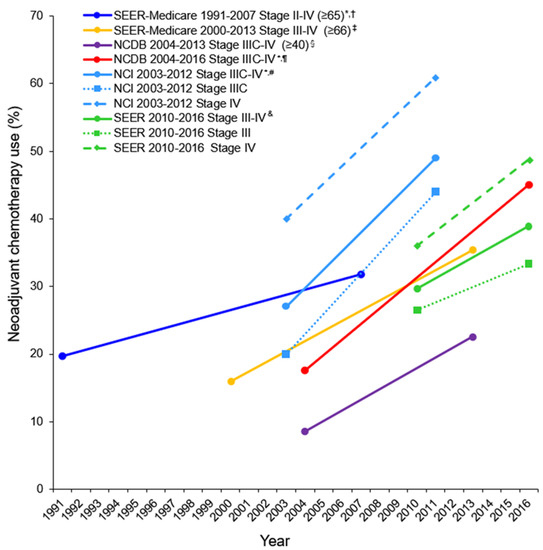
Cancers, Vol. 13, Pages 626: Emerging Trends in Neoadjuvant Chemotherapy for Ovarian Cancer

xloma.fota13 shared this article with you from Inoreader
Via Cancers

cancers-13-00626-g001-550.jpg

Cancers, Vol. 13, Pages 626: Emerging Trends in Neoadjuvant Chemotherapy for Ovarian Cancer

Cancers doi: 10.3390/cancers13040626

Authors: Ami Patel Puja Iyer Shinya Matsuzaki Koji Matsuo Anil K. Sood Nicole D. Fleming

Epithelial ovarian cancer remains a leading cause of death amongst all gynecologic cancers despite advances in surgical and medical therapy. Historically, patients with ovarian cancer underwent primary tumor reductive surgery followed by postoperative chemotherapy; however, neoadjuvant chemotherapy followed by interval tumor reductive surgery has gradually become an alternative approach for patients with advanced-stage ovarian cancer for whom primary tumor reductive surgery is not feasible. Decision-making about the use of these approaches has not been uniform. Hence, it is essential to identify patients who can benefit most from neoadjuvant chemotherapy followed by interval tumor reductive surgery. Several prospective and retrospective studies have proposed potential models to guide upfront decision-making for patients with advanced ovarian cancer. In this review, we summarize important decision-making models that can improve patient selection for personalized treatment. Models based on clinical factors (clinical parameters, radiology studies and laparoscopy scoring) and molecular markers (circulating and tumor-based) are useful, but laparoscopic staging is among the most informative diagnostic methods for upfront decision-making in patients medically fit for surgery. Further research is needed to explore more reliable models to determine personalized treatment for advanced epithelial ovarian cancer.

View on the web

Targeting DNA damage repair functions of two histone deacetylases, HDAC8 and SIRT6, sensitizes acute myeloid leukemia to NAMPT inhibition

xloma.fota13 shared this article with you from Inoreader

Purpose: Nicotinamide phosphoribosyltransferase (NAMPT) inhibitors are currently in development, but may be limited as a single agent therapy due to compound-specific toxicity and cancer metabolic plasticity allowing resistance development. To potentially lower the doses of NAMPT inhibitors required for therapeutic benefit against acute myeloid leukemia (AML), we performed a genome-wide CRISPRi screen to identify rational disease-specific partners for a novel NAMPT inhibitor, KPT-2974. Experimental Design: Cell lines and primary cells were analyzed for cell viability, self-renewal and responses at RNA and protein levels with loss-of-function approaches and pharmacologic treatments. In vivo efficacy of combination therapy was evaluated with a xenograft model. Results: We identified two histone deacetylases, HDAC8 and SIRT6, whose knockout conferred synthetic lethality with KPT-9274 in AML. Furthermore, HDAC8-specific inhibitor, PCI-34051, or clinical Class I HDAC inhibitor, AR-42, in combination with KPT-9274, synergistically decreased the survival of AML cells in a dose-dependent manner. AR-42/KPT-9274 co-treatment attenuated colony-forming potentials of patient cells while sparing healthy hematopoietic cells. Importantly, combined therapy demonstrated promising in vivo efficacy compared with KPT-9274 or AR-42 monotherapy. Mechanistically, genetic inhibition of SIRT6 potentiated the effect of KPT-9274 on PARP-1 suppression by abolishing mono-ADP ribosylation. AR-42/KPT-9274 co-treatment resulted in synergistic attenuation of homologous recombination (HR) and nonhomologous end joining (NHEJ) pathways in cell lines and leukemia initiating cells (LICs). Conclusions: Our findings provide evidence that HDAC8 inhibition- or shSIRT6-induced DNA repair deficiencies are potently synergistic with NAMPT targeting, with minimal toxicity towards normal cells, providing a rationale for a novel-novel combination-based trea tment for AML.

View on the web

A novel mouse model of radiation-induced cardiac injury reveals biological and radiological biomarkers of cardiac dysfunction with potential clinical relevance

xloma.fota13 shared this article with you from Inoreader

Purpose: Radiation-induced cardiotoxicity is a significant concern in thoracic oncology patients. However, the basis for this disease pathology is not well-characterized. We developed a novel mouse model of radiation-induced cardiotoxicity to investigate pathophysiologic mechanisms and identify clinically targetable biomarkers of cardiac injury. Experimental Design: Single radiation doses of 20, 40, or 60 Gy were delivered to the cardiac apex of female C57BL/6 mice aged 9-11 weeks, with or without adjacent lung tissue, using conformal radiation therapy (RT). Cardiac tissue was harvested up to 24 weeks post-RT for histologic analysis. Echocardiography and Technetium-99 sestamibi single photon emission computed tomography (SPECT) at 8 and 16 weeks post-RT were implemented to evaluate myocardial function and perfusion. Mouse cardiac tissue and mouse and human plasma were harvested for biochemical studies. Results: Histopathologically, RT resulted in perivascu lar fibrosis 8 and 24 (p<0.05) weeks post-RT. Apical perfusion deficits on SPECT and systolic and diastolic dysfunction on echocardiography 8 and 16 weeks post-RT were also observed (p<0.05). Irradiated cardiac tissue and plasma showed significant increases in placental growth factor (PlGF), interleukin-6, and tumor necrosis factor-alpha (TNFa) compared to non-radiated matched controls, with greater increases in cardiac cytokine levels when RT involved lung. Human plasma showed increased PlGF (p=0.021) and TNFa (p=0.036) levels post-thoracic RT. Conclusions: We developed and characterized a pathophysiologically relevant mouse model of radiation-induced cardiotoxicity involving in situ irradiation of the cardiac apex. The model can be used to integrate radiomic and biochemical markers of cardiotoxicity to inform early therapeutic intervention and human translational studies.

View on the web

Therapeutic targeting of nemo-like kinase in primary and acquired endocrine-resistant breast cancer

xloma.fota13 shared this article with you from Inoreader

Purpose: Endocrine resistance remains a major clinical challenge in estrogen-receptor (ER) positive breast cancer. Despite the encouraging results from clinical trials for the drugs targeting known survival signaling, relapse is still inevitable. There is an unmet need to discover new drug targets in the unknown escape pathways. Here we report Nemo-Like Kinase (NLK) as a new actionable kinase target that endows previously uncharacterized survival signaling in endocrine resistant breast cancer. Experimental Design: The effects of NLK inhibition on the viability of endocrine resistant breast cancer cell lines were examined by MTS assay. The effect of VX-702 on NLK activity was verified by kinase assay. The modulation of ER and its coactivator SRC-3 by NLK were examined by immunoprecipitation, kinase assay, luciferase assay, and RNAseq. The therapeutic effects of VX-702 and Everolimus were tested on cell line- and patient-derived xenograft tumor models. Resul ts: NLK overexpression endow reduced endocrine responsiveness and is associated with worse outcome of tamoxifen-treated patients. Mechanistically, NLK may function at last in part via enhancing the phosphorylation of ERα and its key coactivator SRC-3 to modulate ERα transcriptional activity. Through interrogation of a kinase-profiling database, we uncovered and verified a highly selective dual p38/NLK inhibitor, VX-702. Co-administration of VX-702 with the mTOR inhibitor Everolimus demonstrated a significant therapeutic effect in cell line- and patient-derived xenograft tumor models of acquired or de novo endocrine resistance. Conclusions: Together, this study reveals the potential of therapeutic modulation of NLK for the management of the endocrine-resistant breast cancers with active NLK signaling.

View on the web

Optimized EGFR blockade strategies in EGFR addicted gastroesophageal adenocarcinomas

xloma.fota13 shared this article with you from Inoreader

Purpose: Gastric and gastroesophageal adenocarcinomas (GEA) represent the third leading cause of cancer mortality worldwide. Despite significant therapeutic improvement, the outcome of patients with advanced GEA is poor. Randomized clinical trials failed to show a significant survival benefit in molecularly unselected patients with advanced GEA treated with anti-EGFR agents. Experimental Design: We performed analyses on 4 cohorts: IRCC (570 patients), FMI (9397 patients), COG (214 patients) and INT (206 patients). Preclinical trials were conducted in patient-derived xenografts (PDXs). Results: The analysis of different GEA patient cohorts suggests that EGFR amplification drives aggressive behaviour and poor prognosis. We also observed that EGFR inhibitors are active in patients with EGFR copy number gain and that co-amplification of other receptor tyrosine kinases or KRAS is associated with worse response. Pre-clinical trials performed on EGFR-amplified G EA PDX models revealed that the combination of an EGFR monoclonal antibody and an EGFR tyrosine kinase inhibitor was more effective than each monotherapy and resulted in a deeper and durable response. In a highly EGFR amplified non-responding PDX, where resistance to EGFR drugs was due to inactivation of the TSC2 tumor suppressor, co-treatment with the mTOR inhibitor everolimus restored sensitivity to EGFR inhibition. Conclusions: This study underscores EGFR as a potential therapeutic target in gastric cancer and identifies the combination of an EGFR TKI and a monoclonal antibody as an effective therapeutic approach. Finally, it recognizes mTOR pathway activation as a novel mechanism of primary resistance that can be overcome by the combination of EGFR and mTOR inhibitors.

View on the web

Expression of the ace operon in Escherichia coli is triggered in response to growth rate-dependent flux-signal of ATP

xloma.fota13 shared this article with you from Inoreader
ABSTRACT
The signal that triggers the expression of the ace operon and, in turn, the transition of central metabolism's architecture from acetogenic to gluconeogenic in Escherichia coli remains elusive despite extensive research both in vivo and in vitro. Here, with the aid of flux analysis together with measurements of the enzymic activity of isocitrate lyase (ICL) and its aceA-messenger ribonucleuc acid (mRNA) transcripts, we provide credible evidence suggesting that the expression of the ace operon in E. coli is triggered in response to growth rate-dependent threshold flux-signal of adenosine triphosphate (ATP). Flux analysis revealed that the shortfall in ATP supply observed a s the growth rate ($\mu $) diminishes from µmax to ≤ 0.43h−1 ($ \pm 0.02;n4)\ $is partially redressed by up-regulating flux through succinyl CoA synthetase. Unlike glycerol and glucose, pyruvate cannot feed directly into the two glycolytic ATP-generating reactions catalyzed by phosphoglycerokinase and pyruvate kinase. On the other hand, glycerol, which upon its conversion to D-glyceraldehyde, feeds into the phosphorylation and dephosphorylation parts of glycolysis including the substrate-level phosphorylation-ATP generating reactions, thus preventing ATP flux from dropping to the critical threshold signal required to trigger the acetate-diauxic switch until glycerol is fully consumed. The mRNA transcriptional patterns of key gluconeogenic enzymes, namely, ackA, acetate kinase; pta, phosphotransacetylase; acs, acetyl CoA syntheta se and aceA, ICL, suggest that the pyruvate phenotype is better equipped than the glycerol phenotype for the switch from acetogenic to gluconeogenic metabolism.

View on the web

Comprehensive analysis of allergen-specific IgE in COPD: mite-specific IgE specifically related to the diagnosis of asthma-COPD overlap

xloma.fota13 shared this article with you from Inoreader

13223.jpg

Although the relationship between allergic sensitization and increased respiratory symptoms of chronic obstructive pulmonary disease (COPD) has been suggested, which allergen has a significant effect on COPD p...
View on the web

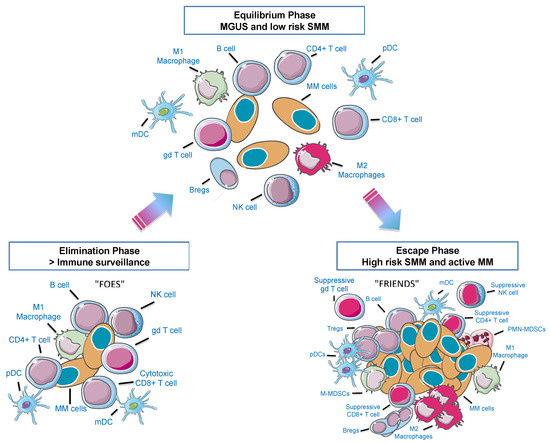
Cancers, Vol. 13, Pages 625: The Immune Microenvironment in Multiple Myeloma: Friend or Foe?

xloma.fota13 shared this article with you from Inoreader
Via Cancers

cancers-13-00625-g001-550.jpg

Cancers, Vol. 13, Pages 625: The Immune Microenvironment in Multiple Myeloma: Friend or Foe?

Cancers doi: 10.3390/cancers13040625

Authors: Raquel Lopes Joana Caetano Bruna Ferreira Filipa Barahona Emilie Arnault Carneiro Cristina João

Multiple myeloma (MM) is one of the most prevalent hematological cancers worldwide, characterized by the clonal expansion of neoplastic plasma cells in the bone marrow (BM). A combination of factors is implicated in disease progression, including BM immune microenvironment changes. Increasing evidence suggests that the disruption of immunological processes responsible for myeloma control ultimately leads to the escape from immune surveillance and resistance to immune effector function, resulting in an active form of myeloma. In fact, one of the hallmarks of MM is the development of a permissive BM milieu that provides a growth advantage to the malignant cells. Consequently, a better understanding of how myeloma cells interact with the BM niche compartments and disrupt the immune homeostasis is of utmost importance to develop more effective treatments. This review focuses on the most up-to-date knowledge regarding microenvironment-related mechanisms behind MM immune evasion and su ppression, as well as promising molecules that are currently under pre-clinical tests targeting immune populations.

View on the web

Cocktail of carbohydrases from Aspergillus niger: an economical and eco-friendly option for biofilm clearance from biopolymer surfaces

xloma.fota13 shared this article with you from Inoreader

13568.jpg

Biofilm formation on both biotic and abiotic surfaces accounts for a major factor in spread of antimicrobial resistance. Due to their ubiquitous nature, biofilms are of great concern for environment as well as...
View on the web