Αναζήτηση αυτού του ιστολογίου

Τρίτη 3 Νοεμβρίου 2020

Impact of SARS-CoV-2 (COVID-19) on pregnancy

alkiviadis.1961 shared this article with you from Inoreader

bmjopen-default-cover.png

Introduction

The COVID-19 pandemic, caused by the SARS-CoV-2 virus, has been growing at an accelerating rate, and has become a public health emergency. Pregnant women and their fetuses are susceptible to viral infection, and outcomes in this population need to be investigated.

Methods and analysis

PubMed, Web of Science, Embase, CINAHAL, Latin American and Caribbean Health Sciences Literature, clinicaltrials.gov, SCOPUS, Google Scholar and Cochrane Central Controlled Trials Registry will be searched for observational studies (cohort and control cases) published from December 2019 to present. This systematic review and meta-analysis will include studies of pregnant women at any gestational stage diagnosed with COVID-19. The primary outcomes will be maternal and foetal morbidity and mortality. Three independent reviewers will select the studies and extract data from the original publications. The risk of bias will be assessed using the Newcastle-Ottawa Scale for observational studies. To evaluate the strength of evidence from the included data, we will use Grading of Recommendation Assessment, Development, and Evaluation method. Data synthesis will be performed using Review Manager software V.5.2.3. To assess heterogeneity, we will compute the I2 statistics. Additi onally, a quantitative synthesis will be performed if the included studies are sufficiently homogenous.

Ethics and dissemination

This study will be a review of the published data, and thus it is not necessary to obtain ethical approval. The findings of this systematic review will be published in a peer-reviewed journal.

PROSPERO registration number

PROSPERO 2020: CRD42020181519.

View on the web

End-stage renal disease as a risk factor for epiglottitis

alkiviadis.1961 shared this article with you from Inoreader

bmjopen-default-cover.png

Objectives

Patients with uremia are prone to infection; however, end-stage renal disease (ESRD) as a risk factor for acute epiglottitis warrants study. We investigated the risk of severe epiglottitis requiring hospitalisation in patients with ESRD.

Setting

We conducted a retrospective matched cohort study by using the claims data of Taiwan's National Health Insurance Research Database.

Participants

We identified an ESRD cohort with 87 908 patients newly diagnosed in 2000–2013 and underwent dialysis. The non-ESRD cohort comprised patients who had not received a diagnosis of ESRD, and they were matches to the ESRD cohort (1:1) by sex, age, residence urbanisation level, monthly income, and diabetes and hypertension status.

Primary and secondary outcome measures

The cumulative incidence of epiglottitis at the end of 2013 was analysed with Kaplan-Meier methods and log-rank tests. The HR of epiglottitis was calculated using the Cox proportional hazards model after adjustment for confounding factors.

Results

The overall epiglottitis incidence rate was 94% greater in the ESRD cohort than in the non-ESRD cohort (10.3 vs 5.3 cases per 100 000 person-years, p=0.002), with an adjusted HR of 1.89 (95% CI: 1.23 to 2.91, p=0.004). In the log-rank analysis, compared with the non-ESRD group, the epiglottitis cumulative incidence was significantly higher in the ESRD group (p=0.003). Epiglottitis did not exhibit an association with higher rates of airway interventions, intensive care unit admissions or longer hospitalisation in patients with ESRD than in controls.

Conclusions

This nationwide matched cohort study indicated that ESRD patients should be monitored for the risk of severe epiglottitis requiring hospitalisation.

View on the web

Assessing the safety and feasibility of neoadjuvant hormone and radiation therapy followed by robot-assisted radical prostatectomy for treating locally advanced prostate cancer: protocol for an open-label, dose-escalation, single-centre, phase I clinical trial

alkiviadis.1961 shared this article with you from Inoreader

bmjopen-default-cover.png

Introduction

Patients with locally advanced prostate cancer are at high risk of recurrence after definitive treatment. There are emerging data that radical prostatectomy can delay the progression of castration resistance and potentially prolong survival. Neoadjuvant radiation therapy improves local control and has shown survival benefit with favourable toxicity profiles in several other malignancies. We have designed this trial to investigate whether this combination, which theoretically maximises local control, is a safe and feasible approach for treating locally advanced prostate cancer.

Methods and analysis

This study is a phase I, open-label study to investigate the safety and feasibility of neoadjuvant hormone and radiation therapy followed by robot-assisted radical prostatectomy by a traditional 3+3 dose-escalation design with four planned radiation dose levels (39.6 Gy/22F, 45 Gy/25F, 50.4 Gy/28F and 54 Gy/30F). Locally advanced prostate cancer patients with positive pelvic and/or retroperitoneal lymph nodes will be recruited. The primary objective is to determine the adverse events and maximal tolerable dose (MTD) of neoadjuvant radiotherapy. Toxicity will be assessed using the National Cancer Institute Common Toxicity Criteria V.5.0.

Ethics and dissemination

This protocol was approved by the Institutional Review Board of Shanghai Changhai Hospital (ref. CHEC2019-070 and CHEC2019-082). The study will be performed in compliance with applicable local legislation and in accordance with the ethical principles developed by the World Medical Association in the Declaration of Helsinki 2013. Study results will be disseminated through conferences and peer-reviewed scientific journals.

Trial registration numbers

ChiCTR1900022716; ChiCTR1900022754.

View on the web

Evaluation of the incidence of bleeding in patients prescribed rivaroxaban for the treatment and prevention of deep vein thrombosis and pulmonary embolism in UK secondary care: an observational cohort study

alkiviadis.1961 shared this article with you from Inoreader

bmjopen-default-cover.png

Objectives

To evaluate the short-term (12 weeks) safety and utilisation of rivaroxaban prescribed to new-user adult patients for the treatment of deep vein thrombosis and pulmonary embolism and for the prevention of recurrent deep vein thrombosis and pulmonary embolism in a secondary care setting in England and Wales.

Design

An observational cohort study using the technique of Specialist Cohort Event Monitoring.

Setting

The Rivaroxaban Observational Safety Evaluation study was conducted across 87 participating National Health Service secondary care trusts in England and Wales.

Participants

1532 patients treated with rivaroxaban for the prevention and treatment of deep vein thrombosis/pulmonary embolism from September 2013 to January 2016.

Interventions

Non-interventional postauthorisation safety study of rivaroxaban.

Primary and secondary outcome measures

(1) Risk of major bleeding in gastrointestinal, intracranial, and urogenital sites and (2) risk of all major and clinically relevant non-major bleeds.

Results

Of a total of 4846 patients enrolled in the study from September 2013 to January 2016, 1532 were treated with rivaroxaban for the prevention and treatment of deep vein thrombosis/pulmonary embolism. The median age of the deep vein thrombosis/pulmonary embolism cohort was 63 years, and 54.6% were men. The risk of major bleeding within the gastrointestinal, urogenital and intracranial primary sites was 0.7% (n=11), 0.3% (n=5) and 0.1% (n=1), respectively. The risk of major bleeding in all sites was 1.5% (n=23) at a rate of 8.3 events per 100 patient-years.

Conclusions

In terms of the primary outcome risk of major bleeding in gastrointestinal, intracranial and urogenital sites, the risk estimates in the population using rivaroxaban for deep vein thrombosis/pulmonary embolism were low (<1%) and consistent with the risk estimated from clinical trial data and in routine clinical practice.

Trial registration numbers

ClinicalTrials.gov Registry (NCT01871194); ENCePP Registry (EUPAS3979).

View on the web

Acceptability of bisphosphonates among patients, clinicians and managers: a systematic review and framework synthesis

alkiviadis.1961 shared this article with you from Inoreader

bmjopen-default-cover.png

Objective

To explore the acceptability of different bisphosphonate regimens for the treatment of osteoporosis among patients, clinicians and managers, payers and academics.

Design

A systematic review of primary qualitative studies. Seven databases were searched from inception to July 2019. Screening, data extraction and quality assessment of full-articles selected for inclusion were performed independently by two authors. A framework synthesis was applied to extracted data based on the theoretical framework of acceptability (TFA). The TFA includes seven domains relating to sense-making, emotions, opportunity costs, burden, perceived effectiveness, ethicality and self-efficacy. Confidence in synthesis findings was assessed.

Setting

Any developed country healthcare setting.

Participants

Patients, healthcare professionals, managers, payers and academics.

Intervention

Experiences and views of oral and intravenous bisphosphonates.

Results

Twenty-five studies were included, mostly describing perceptions of oral bisphosphonates. We identified, with high confidence, how patients and healthcare professionals make sense (coherence) of bisphosphonates by balancing perceptions of need against concerns, how uncertainty prevails about bisphosphonate perceived effectiveness and a number of individual and service factors that have potential to increase self-efficacy in recommending and adhering to bisphosphonates. We identified, with moderate confidence, that bisphosphonate taking induces concern, but has the potential to engender reassurance, and that both side effects and special instructions for taking oral bisphosphonates can result in treatment burden. Finally, we identified with low confidence that multimorbidity plays a role in people's perception of bisphosphonate acceptability.

Conclusion

By using the lens of acceptability, our findings demonstrate with high confidence that a theoretically informed, whole-system approach is necessary to both understand and improve adherence. Clinicians and patients need supporting to understand the need for bisphosphonates, and clinicians need to clarify to patients what constitutes bisphosphonate treatment success. Further research is needed to explore perspectives of male patients and those with multimorbidity receiving bisphosphonates, and patients receiving intravenous treatment.

PROSPERO registration number

CRD42019143526.

View on the web

Microbial Resistance Movements: An Overview of Global Public Health Threats Posed by Antimicrobial Resistance, and How Best to Counter

alkiviadis.1961 shared this article with you from Inoreader

535668_Thumb_400.jpg

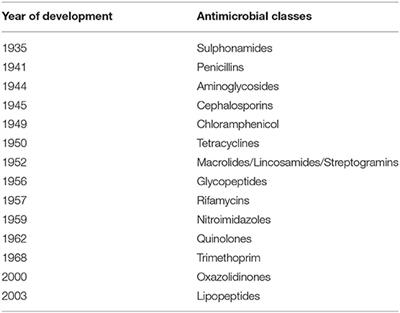
Antibiotics changed medical practice by significantly decreasing the morbidity and mortality associated with bacterial infection. However, infectious diseases remain the leading cause of death in the world. There is global concern about the rise in antimicrobial resistance (AMR), which affects both developed and developing countries. AMR is a public health challenge with extensive health, economic, and societal implications. This paper sets AMR in context, starting with the history of antibiotics, including the discovery of penicillin and the golden era of antibiotics, before exploring the problems and challenges we now face due to AMR. Among the factors discussed is the low level of development of new antimicrobials and the irrational prescribing of antibiotics in developed and developing countries. A fundamental problem is the knowledge, attitude, and practice (KAP) regarding antibiotics among medical practitioners, and we explore this aspect in some depth, including a discussion on the KAP among medical students. We conclude with suggestions on how to address this public health threat, including recommendations on training medical students about antibiotics, and strategies to overcome the problems of irrational antibiotic prescribing and AMR.

View on the web

Esthetic Evaluation of Facial Soft Tissue Based on Nonrigid Image Deformation

alkiviadis.1961 shared this article with you from Inoreader

mpe.banner.jpg

As the time passes by, orthodontics is paying more and more attention to facial aesthetics. However, related research is mostly in the stage of qualitative evaluation without clinical reference of specific soft tissue data. Therefore, by collecting the pre- and post-treatment photographs of 26 adult female patients, this study used image deformation technology to process the photos of a 23-year-old female patient, and two groups of facial photos were established. Then, 22 males and 27 females were selected to conduct an aesthetic evaluation to the original and processed photos by questionnaire survey. Relevant indicators of the corresponding photos were obtained. Group t-test, paired t-test, and nonparametric test were used in data calculation. For patients with high compliance, deep overbite with low angle o r average angle are more suitable for fixed appliance with the bite plate, while with high angle are not suitable. The nonprofessionals prefer narrower face, more retracted lip position, and fuller chin than in the actual treatment. Among them, female evaluators prefer narrower lower face than male evaluators do. Male evaluators prefer thicker lips and chins, especially thicker lower lips than female evaluators do. Laypeople prefer narrower face, more retracted lip position, and fuller chin.
View on the web

A New Visual Cryptography-Based QR Code System for Medication Administration

alkiviadis.1961 shared this article with you from Inoreader

misy.banner.jpg

In health care, medication errors can result in serious health risks to patients, and hospitals require a secure medication administration system to prevent such errors. This paper therefore proposes a secure medication administration method based on threshold sharing technology. When a patient visits a doctor and the doctor prescribes n medications, a photo and the personal information of the patient are encoded into n QR code transparencies that can be decoded by common QR code scanners available for smartphones. The prescription and n QR code transparencies are then stored in a hospital's medication administration system. When the patient receives their medicine, they can scan these n QR code transparencies using a smartphone to ensure that they have all the medicines prescribed by the doctor; this fu nction is accessible even if the patient's phone does not have Internet access. The main purpose of the proposed system is to prevent hospitals from giving medicine to the wrong patient, or giving less than the prescribed dosage of medicine to the patient. The focus is not on the internal medicine packaging process in hospitals but on reducing the probability of counter staff giving medicine to the wrong patient. This function is of considerable importance to non-English-speaking people who are not used to reading medicine names in English.
View on the web

Quantitative Analysis of Macular Retina Using Light Reflection Indices Derived from SD-OCT for Pituitary Adenoma

alkiviadis.1961 shared this article with you from Inoreader

joph.banner.jpg

Purpose. To quantitatively investigate the macular retinal light reflection characteristic using optical property indices derived from spectral-domain optical coherence tomography (SD-OCT) scans with depth attenuation compensation for pituitary adenoma. Methods. This study included 38 patients (mean age 44.66 ± 13.77 years old) with diagnosis of pituitary adenoma and 43 age-matched controls. All SD-OCT scans were light attenuation compensated by a depth-resolved model. Attenuation coefficient, the corrected intensity, and the retinal layer thickness were deduced for macular retinal nerve fiber layer (RNFL) and ganglion cell layer combined with inner plexiform layer (GCIPL), as well as comparing between patients and controls by statistical methods. Results. Attenuation coefficients of RNFL and GCIPL am ong patients were significantly lower compared to the controls with values equal to or less than 0.001. The mean values of the corrected optical intensity were decreased in the patients without universally significant differences. Significant decreases in thickness existing in the RNFL of patients, especially in the superonasal (SN) quadrant and inferonasal (IN) quadrant (decrease ratio = 9.64% and 13.02%, both with ). The thickness of RNFL was significantly associated with the attenuation coefficient (standardized beta = 0.335, ). The performances of attenuation coefficient were better than the corrected optical intensity and the thickness (the values of the areas under the receiver operating characteristic curves = 0.751 and 0.758, both with ) in discriminating pituitary adenoma patients from controls. Conclusions. The retinal light reflection characteristics were debilitated in patients with pituitary adenoma. The potential of attenuation coefficients of RNFL and GCI PL in distinguishing patients with pituitary adenoma from controls was validated by the comparison of the derived optical property indices.
View on the web

Skin Changes Due to Massive Weight Loss: Histological Changes and the Causes of the Limited Results of Contouring Surgeries

alkiviadis.1961 shared this article with you from Inoreader

11695.jpg

Abstract

Purpose

Outcomes of body contouring surgeries in patients who previously had obesity are limited because of the loss of skin quality. This study aimed to evaluate the morphometric characteristics of collagen and elastic fibers of the skin in the abdominal epigastric region of patients who had massive weight loss following bariatric surgery and compared such with the skin characteristics of patients with morbid obesity.

Methods

This observational study compared skin fragments from the epigastric region of 20 patients who had massive weight loss due to bariatric surgery and 20 patients with morbid obesity. The morphometric analysis was performed on the collagen system using the Picrosirius/polarized light method and on the elastic system using the Weigert's resorcin-fuchsin method.

Results

Reduction of thick collagen fibers (p = 0.048), increased thin collagen fibers (p = 0.0085), and increased elastic fiber density (p < 0.001) were observed in the massive weight loss group. No differences were found between the groups regarding mean age (p = 0.917) and total amount of collagen fibers (p = 0.3619). Structural dermis alterations in the massive weight loss group demonstrated collagenous remodeling, with consequent reduction of thick, organized, structured, and directed fibers in favor of thin, misaligned, and loosely arranged fibers. Weight loss was also associated with increased skin elasticity.

Conclusion

The morphometric changes in the collagen and elastic system scientifically explained the already established clinical perception of cutaneous alterations in patients who had massive weight loss following bariatric surgeries.

View on the web

The Impact of the Weight of Removed Tissue on the Development of Postoperative Complications in Patients Undergoing Abdominoplasty after Gastric Bypass

alkiviadis.1961 shared this article with you from Inoreader

11695.jpg

Abstract

Background

Patients who undergo Roux-en-Y gastric bypass (RYGB) have significant weight loss, and abdominoplasty is an effective corrective surgery for removing excess skin. This study aimed to evaluate the impact of the weight of removed tissue on the development of postoperative complications in patients undergoing abdominoplasty without lipoaspiration after gastric bypass at the Federal District North Wing Regional Hospital, Brasília, Brazil.

Methods

Data were analyzed from a prospective registry of patients who underwent abdominoplasty without lipoaspiration after gastric bypass from January 2011 to December 2018. The variables examined included body mass index (BMI) before RYGB and before plastic surgery, weight loss, weight of the excised abdominal flap, comorbidities, and medical complications. Analysis of the role of the weight of the removed tissue after abdominoplasty was performed to assess outcome measures.

Results

One hundred sixty-three patients were included. The mean age of the patients was 42 years. Their BMI at the time of abdominoplasty was 27.49 kg/m2, and the average weight loss before abdominoplasty was 47.13 kg. The preweight loss BMI was 45.27 kg/m2, and the ∆BMI was 17.78 kg/m2. The overall complication rate was 29.4%. An amount of removed tissue from the abdomen ≥ 2000 g significantly increased the rates of postoperative complications (46.7% vs. 19.4%; p = 0.002; OR = 3.13).

Conclusions

Removal of ≥ 2000 g of tissue from the abdomen led to significantly more complications in patients who underwent abdominoplasty after gastric bypass. In addition, this group of patients was significantly associated with the presence of higher anthropometric variable values (BMI, weight loss, max BMI, and ∆BMI) and not associated with the presence of comorbidities.

View on the web