Αναζήτηση αυτού του ιστολογίου

Τετάρτη 19 Οκτωβρίου 2022

Comparison of propeller flaps versus skin grafts for coverage of osteocutaneous fibula free flap donor site defects

alexandrossfakianakis shared this article with you from Inoreader

Abstract

Background

Authors compare use of propeller flaps versus skin grafts in defect coverage after fibula flap harvest.

Materials and Methods

Retrospective review of patients who received either PFPF or STSG. Primary predictor variable was technique, and secondary predictor variables were comorbidities. Primary outcome variable was flap/graft healing, and secondary outcome variables were cosmesis, adverse events, effect on activities of daily living (ADLs), pain, additional procedures, and cost. Statistical analysis performed via independent sample t tests, ANOVA, and χ 2 tests. Logistic regression analysis was performed.

Results

Study sample was 50 patients. PFPFs showed higher rates of success, while STSG showed increased complications and adverse events. Pain and ADLs significantly affected in STSG group. Cosmesis was better in the PFPF group, and overall cost was significantly higher in STSG group.

Conclusion

PFPFs show greater success rates, fewer complications, improved cosmesis, less pain, reduced cost compared to STSG for wound coverage after fibula flap harvest.

View on Web

Proton pump inhibitors and myocardial infarction: an application of active comparators in a self-controlled case series

alexandrossfakianakis shared this article with you from Inoreader

m_dyac196f1.jpeg?Expires=1729259607&Sign

Abstract
BackgroundPrevious studies investigating potential cardiovascular adverse events of acid-suppressing drugs are susceptible to protopathic bias and confounding. We aimed to investigate the association between short-term risk of myocardial infarction (MI) and proton pump inhibitors (PPIs) using a self-controlled case series (SCCS) with an active comparator.
Methods
We conducted a SCCS using a population-wide database from Hong Kong from 2003–2014. Adult with ≥1 outpatient oral PPI prescription or H2 receptor antagonist (H2RA) and MI during the observation period were included. We used both simple ratio and effect modifier approaches to SCCS with active comparators to obtain comparator adjusted estimates.
Results
A total of 2802 and 1889 people with MI who had exposure to PPIs and H2RA were included respectively. We observed a higher risk of MI during days 1–14 following the start of PPI prescription (Incidence rate ratio (IRR): 2.30, 95 % confidence interval (CI): 1.76–3.00) versus baseline. Similarly, we observed a higher risk of MI during days 1–14 following the start of H2RA prescription (IRR: 2.46, 95%CI: 1.92–3.16) versus baseline. In the novel SCCS analyses, comparator adjusted estimates were 0.93 (95%CI: 0.57–1.30) and 0.83 (95%CI: 0.58–1.20) during days 1–14 in simple ratio and effect modifier approach, respectively.
Conclusions
We observed no difference in risk of MI associated with PPIs compared with baseline using H2RA as the active comparator. The elevated risk of MI associated with PPIs is likely due to protopathic bias. More studies are required to explore the feasibility of using active comparators in SCCS to address protopathic bias in addition to confounding.
View on Web

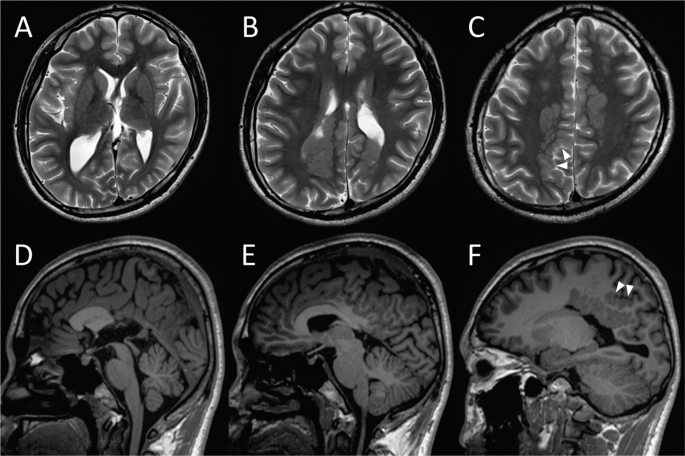
A novel de novo KCNB1 variant altering channel characteristics in a patient with periventricular heterotopia, abnormal corpus callosum, and mild seizure outcome

alexandrossfakianakis shared this article with you from Inoreader

10038_2022_1090_Fig1_HTML.png

View on Web

Associations of Prenatal First Trimester Essential and Nonessential Metal Mixtures with Body Size and Adiposity in Childhood.

alexandrossfakianakis shared this article with you from Inoreader

SocialThumb.00001648.DC.jpeg

Background: Prenatal nonessential metals may contribute to postnatal adiposity, while essential metals may have metabolic benefits. We evaluated joint and individual associations between prenatal metals and childhood adiposity. Methods: We measured concentrations of six nonessential (arsenic, barium, cadmium, cesium, lead, mercury) and four essential (magnesium, manganese, selenium, zinc) metals in first trimester maternal blood from a pre-birth cohort. We collected anthropometric measures in early childhood, mid-childhood, and early adolescence including subscapular+tricep skinfold thickness (mm) (N=715-859), waist circumference (cm) (N=717-882), and BMI (z-score) (N=716-875). We measured adiposity in mid-childhood and early adolescence using bone densitometry total- and trunk fat-mass index (kg/m2) (N=511-599). We estimated associations using adjusted quantile g-computation and linear regression. Results: The nonessential metal mixture was associated with higher total (β=0.07, 95% CI: 0.01, 0.12) and trunk fat-mass index (β=0.12, CI: 0.02, 0.22), waist circumference (β=0.01, CI: 0.00, 0.01), and BMI (β=0.24, CI: 0.07, 0.41) in mid-childhood, and total fat-mass index (β=0.07, CI: 0.01, 0.14) and BMI (β=0.19, CI: 0.02, 0.37) in early adolescence. The essential metal mixture was associated with lower early adolescence total (β= –0.11, CI: -0.17, -0.04) and trunk fat-mass index (β=-0.13, CI: -0.21, -0.05), subscapular+tricep skinfold thickness (β=-0.02, CI: -0.03, -0.00), waist circumference (β=-0.003, CI: -0.01, -0.00), and BMI (β=-0.16, CI: -0.28, -0.04). Cadmium and cesium were individually associated with childhood adiposity at different timepoints. Conclusions: Prenatal first trimester essential metals were associated with lower childhood adiposity, whereas nonessential metals were associated with higher adiposity into adolescence. Copyright © 2022 Wolters Kluwer Health, Inc. All rights reserved.

View on Web

Development and Validation of Algorithms to Estimate Live Birth Gestational Age in Medicaid Analytic eXtract Data

alexandrossfakianakis shared this article with you from Inoreader

SocialThumb.00001648.DC.jpeg

Background: While healthcare utilization data are useful for post-marketing surveillance of drug safety in pregnancy, the start of pregnancy and gestational age at birth are often incompletely recorded or missing. Our objective was to develop and validate a claims-based live birth gestational age algorithm. Methods: Using the Medicaid Analytic eXtract (MAX) linked to birth certificates in three states, we developed four candidate algorithms based on: preterm codes; preterm or post-term codes; timing of prenatal care; and prediction models - using conventional regression and machine-learning approaches with a broad range of pre-specified and empirically selected predictors. We assessed algorithm performance based on mean squared error (MSE) and proportion of pregnancies with estimated gestational age within 1 and 2 weeks of the gold standard, defined as the clinical or obstetric estimate of gestation on the birth certificate. We validated the best performing algorithms against medical records in a nationwide sample. We quantified misclassification of select drug exposure scenarios due to estimated gestational age as positive predictive value (PPV), sensitivity, and specificity. Results: Among 114,117 eligible pregnancies, the random forest model with all predictors emerged as the best performing algorithm: MSE 1.5; 84.8% within 1 week and 96.3% within 2 weeks, with similar performance in the nationwide validation cohort. For all exposure scenarios, PPVs were >93.8%, sensitivities >94.3%, and specificities >99.4%. Conclusions: We developed a highly accurate algorithm for estimating gestational age among live births in the nationwide MAX data, further supporting the value of these data for drug safety surveillance in pregnancy. Copyright © 2022 Wolters Kluwer Health, Inc. All rights reserved.
View on Web

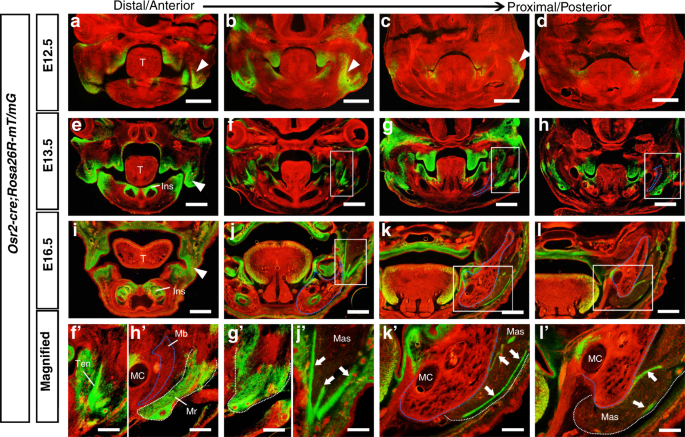
Disrupted tenogenesis in masseter as a potential cause of micrognathia

alexandrossfakianakis shared this article with you from Inoreader

41368_2022_196_Fig1_HTML.png

International Journal of Oral Science, Published online: 18 October 2022; doi:10.1038/s41368-022-00196-y

Disrupted tenogenesis in masseter as a potential cause of micrognathia
View on Web

Τρίτη 18 Οκτωβρίου 2022

Tamoxifen Alters TGF‐β1/Smad Signaling in Vocal Fold Injury

alexandrossfakianakis shared this article with you from Inoreader
Tamoxifen Alters TGF-β1/Smad Signaling in Vocal Fold Injury

This study investigated the effects of tamoxifen on acute vocal fold injury in a preclinical model. The antifibrotic actions of tamoxifen appear to be mediated by transforming growth factor beta 1/Smad signaling providing a novel target for intervention.


Objectives

Effective treatments for vocal fold fibrosis remain elusive. Tamoxifen (TAM) is a selective estrogen receptor modulator and was recently reported to have antifibrotic actions. We hypothesized that TAM inhibits vocal fold fibrosis via altered transforming growth factor beta 1 (TGF-β1) signaling. Both in vitro and in vivo approaches were employed to address this hypothesis.

Methods

In vitro, vocal fold fibroblasts were treated with TAM (10−8 or 10−9 M) ± TGF-β1 (10 ng/ml) to quantify cell proliferation. The effects of TAM on genes related to fibrosis were quantified via quantitative real-time polymerase chain reaction. In vivo, rat vocal folds were unilaterally injured, and TAM was administered by oral gavage from pre-injury day 5 to post-injury day 7. The rats were randomized into two groups: 0 mg/kg/day (sham) and 50 mg/kg/day (TAM). Histological changes were examined on day 56 to assess tissue architecture.

Results

TAM (10−8 M) did not affect Smad3, Smad7, Acta2, or genes related to extracellular matrix metabolism. TAM (10−8 or 10−9 M) + TGF-β1, however, significantly increased Smad7 and Has3 expression and decreased Col1a1 and Acta2 expression compared to TGF-β1 alone. In vivo, TAM significantly increased lamina propria area, hyaluronic acid concentration, and reduced collagen deposition compared to sham treatment.

Conclusions

TAM has antifibrotic potential via the regulation of TGF-β1/Smad signaling in vocal fold injury. These findings provide foundational data to develop innovative therapeutic options for vocal fold fibrosis.

Level of Evidence

NA Laryngoscope, 2022

View on Web

Monkeypox treatment: current evidence and future perspectives

alexandrossfakianakis shared this article with you from Inoreader

Abstract

As of 11 September 2022, 57,669 reports of monkeypox infection raised global concern. Previous vaccinia virus vaccination can protect from monkeypox. However, after smallpox eradication, immunization against that was stopped. Indeed, therapeutic options following the disease onset are of great value. This study aimed to review the available evidence on virology and treatment approaches for monkeypox and provide guidance for patient care and future studies.

Since no randomized clinical trials were ever performed, we reviewed monkeypox animal model studies and clinical trials on the safety and pharmacokinetics of available medications. Brincidofovir and tecovirimat were the most studied medications that got approval for smallpox treatment according to the Animal Rule. Due to the conserved virology among orthopoxviruses, available medications might also be effective against monkeypox. However, tecovirimat has the strongest evidence to be effective and saf e for monkeypox treatment, and if there is a choice between the two drugs, tecovirimat has shown more promise so far. The risk of resistance should be considered in patients who failed to respond to tecovirimat. Hence, the target-based design of novel antivirals will enhance the availability and spectrum of effective anti-orthopoxvirus agents.

This article is protected by copyright. All rights reserved.

View on Web

Transient neonatal hemolytic anemia due to the novel gamma globin gene mutation HBG2:C.290T>C, p.Leu97Pro (hemoglobin Wareham)

alexandrossfakianakis shared this article with you from Inoreader

Abstract

Unstable gamma globin variants can cause transient neonatal hemolytic anemia. We have identified a novel variant in a newborn who presented with jaundice and anemia requiring phototherapy and red blood cell transfusion. The patient was found to be heterozygous for the mutation HGB2:c.290T>C, p.Leu97Pro, which we have termed hemoglobin (Hb) Wareham. This substitution is expected to generate an unstable hemoglobin with increased oxygen affinity based on the homologous mutation previously described in the beta globin gene, which is termed as Hb Debrousse. The patient fully recovered by 9 months of age as expected with the transition from fetal to adult hemoglobin.

View on Web

Posterior nasal neurectomy for intractable rhinitis: a systematic review of the literature

alexandrossfakianakis shared this article with you from Inoreader

Abstract

Background

Rhinitis affects up to 40% of the population worldwide and can significantly reduce quality of life. Some patients remain symptomatic despite maximal medical therapy. In refractory cases, posterior nasal neurectomy (PNN - the endoscopic division of the intranasal nerve branches containing postganglionic parasympathetic fibres) is postulated to reduce symptom burden.

Objectives of review

To establish whether PNN is effective and safe in the management of allergic and non-allergic rhinitis.

Type of review

Systematic review

Methods

A comprehensive literature search was undertaken using PubMed, EMBASE, MEDLINE, and Cochrane. The inclusion criteria were: studies published in English, studies where PNN was performed either with or without additional procedures, and where measures of objective/subjective outcomes and/or complications were reported. Extracted data included study type, sample size, surgical technique, study population characteristics, follow-up period, outcome measures, complications of surgery, and symptom outcomes.

Results

Twenty-three articles satisfied the inclusion criteria studying in total 2282 patients. Sample size ranged from 8-1056. There were three randomised controlled trials, three case control studies, and the remaining seventeen were case series using both objective and subjective outcome measures. All but one study found improved patient reported outcomes following PNN. Complications were reported in 14 studies - epistaxis was the most common complication and was observed in 30 patients (1.5% of subjects).

Conclusions

Posterior nasal neurectomy had a low rate of complications. Although most studies reported significant symptomatic improvement, their heterogeneity, level of evidence, study design, and/or quality was not sufficient to draw any firm conclusions on the effectiveness of the procedure. Larger, well designed studies are needed to clarify its role in the management of difficult-to-treat rhinitis.

This article is protected by copyright. All rights reserved.

View on Web