Αναζήτηση αυτού του ιστολογίου

Τετάρτη 11 Ιανουαρίου 2023

Association between exposure to combustion-related air pollution and multiple sclerosis risk

alexandrossfakianakis shared this article with you from Inoreader
Abstract
Background
Smoking and occupational pulmonary irritants contribute to multiple sclerosis (MS) development. We aimed to study the association between ambient air pollution and MS risk and potential interaction with the human leukocyte antigen (HLA)-DRB1*15:01 allele.
Methods
Exposure to combustion-related air pollution was estimated as outdoor levels of nitrogen oxides (NOx) at the participants' residence locations, by spatially resolved dispersion modelling for the years 1990–18. Using two population-based case-control studies (6635 cases, 8880 controls), NOx levels were associated with MS risk by calculating odds ratios (OR) with 95% confidence intervals (CI) using logistic regression models. Interaction between high NOx levels and the HLA-DRB1*15:01 allele regarding MS risk was calculated by the attributable proportion due to interaction (AP). In addition, a register study was performed comprising al l MS cases in Sweden who had received their diagnosis between 1993 and 2018 (n = 22 173), with 10 controls per case randomly selected from the National Population register.
Results
Residential air pollution was associated with MS risk. NOx levels (3-year average) exceeding the 90th percentile (24.6 µg/m3) were associated with an OR of 1.37 (95% CI 1.10–1.76) compared with levels below the 25th percentile (5.9 µg/m3), with a trend of increasing risk of MS with increasing levels of NOx (P <0.0001). A synergistic effect was observed between high NOx levels (exceeding the lower quartile among controls) and the HLA-DRB1*15:01 allele regarding MS risk (AP 0.26, 95% CI 0.13–0.29).
Conclusions
Our findings indicate that moderate levels of combustion-related ambient air pollution may play a role in MS development.

View on Web

A comprehensive evaluation of an animal model for Helicobacter pylori‐associated stomach cancer: Fact and controversy

alexandrossfakianakis shared this article with you from Inoreader

Abstract

Even though Helicobacter pylori infection was the most causative factor of gastric cancer, numerous in vivo studies failed to induce gastric cancer using H. pylori infection only. The utilization of established animal studies in cancer research is crucial as they aim to investigate the coincidental association between suspected oncogenes and pathogenesis as well as generate models for the development and testing of potential treatments. The methods to establish gastric cancer using infected animal models remain limited, diverse in methods, and showed different results. This study investigates the differences in animal models, which highlight different pathological results in gaster by literature research. Electronic databases searched were performed in PubMed, Science Direct, and Cochrane, without a period filter. A total of 135 articles were used in this study after a full-text assessment was conducted. The most frequent animal models used for gastric ca ncer were Mice, while Mongolian gerbils and Transgenic mice were the most susceptible model for gastric cancer associated with H. pylori infection. Additionally, transgenic mice showed that the susceptibility to gastric cancer progression was due to genetic and epigenetic factors. These studies showed that in Mongolian gerbil models, H. pylori could function as a single agent to trigger stomach cancer. However, most gastric cancer susceptibilities were not solely relying on H. pylori infection, and numerous factors are involved in cancer progression. Further study using Mongolian gerbils and Transgenic mice is crucial to conduct and establish the best models for gastric cancer associated H. pylori.

View on Web

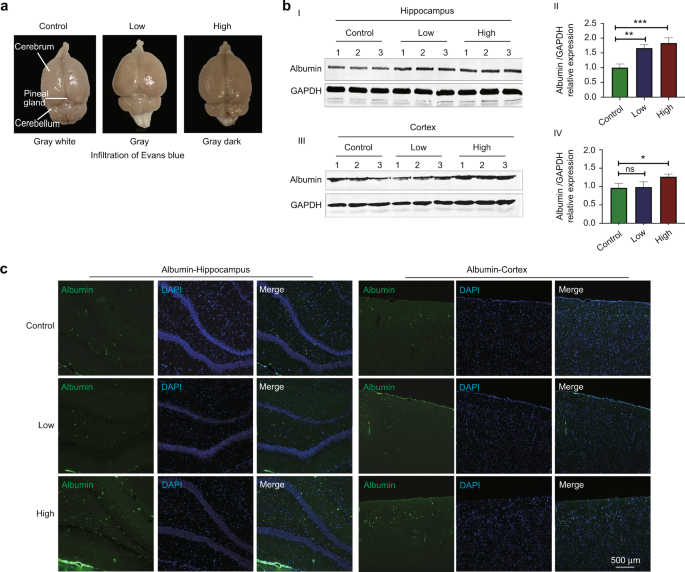
Porphyromonas gingivalis bacteremia increases the permeability of the blood-brain barrier via the Mfsd2a/Caveolin-1 mediated transcytosis pathway

alexandrossfakianakis shared this article with you from Inoreader

41368_2022_215_Fig1_HTML.png

International Journal of Oral Science, Published online: 12 January 2023; doi:10.1038/s41368-022-00215-y

Porphyromonas gingivalis bacteremia increases the permeability of the blood-brain barrier via the Mfsd2a/Caveolin-1 mediated transcytosis pathway
View on Web

Τρίτη 10 Ιανουαρίου 2023

A tooth‐supported titanium mesh bending and positioning module for alveolar bone augmentation and improving accuracy

alexandrossfakianakis shared this article with you from Inoreader

Abstract

Objective

Guided bone regeneration with titanium mesh is a commonly used bone augmentation technique. However, deformation and sliding may occur during the installation of titanium mesh, which may lead to poor accuracy of bone augmentation. This article presented three cases, which describe a tooth-supported titanium mesh bending and positioning module aiming to improve the precision of bone augmentation.

Clinical Considerations

After designing the ideal bone increment volume digitally, print out the difference bone module between the ideal and existing bone mass and one or two wings. The wings are supported by the adjacent teeth to show the ideal bone mass in the patients' mouth. Finally, the titanium mesh is bent and installed in the ideal position by the module.

Conclusions

A favorable outcome has been preliminarily confirmed in these cases, the average vertical bone gain was 4.16 mm and the average horizontal gain was 7.48 mm after 6 months. Using the module in the treatment of patients with bone augmentation can effectively improve the accuracy, the maximum deviation was 1.5 mm and the mean was 0.6 mm.

Clinical Significance

This study improves the bone augmentation technology with titanium mesh. The titanium mesh is fixed in the ideal position, which facilitates subsequent implantation and denture repair.

View on Web

Automated Detection of GlotticLaryngeal Carcinomain Laryngoscopic Images from a Multicenter Databaseusing a Convolutional Neural Network

alexandrossfakianakis shared this article with you from Inoreader

ABSTRACT

OBJECTIVE

Little is known about the efficacy of using artificial intelligence to identify laryngeal carcinoma from images of vocal lesions taken in different hospitals with multiple laryngoscope systems. This multicenter study aimed to establish an artificial intelligence system and provide a reliable auxiliary tool to screen for laryngeal carcinoma.

Study Design

Multicenter case-control study

Setting

Six tertiary care centers

Participants

Laryngoscopy images were collected from 2179 patients with vocal fold lesions.

Outcome Measures

An automatic detection system of laryngeal carcinoma was established and used to distinguish malignant and benign vocal lesions in 2179 laryngoscopy images acquired from 6 hospitals with 5 types of laryngoscopy systems. Pathological examination was the gold standard for identifying malignant and benign vocal lesions.

Results

Out of 89 cases in the malignant group, the classifier was able to correctly identify laryngeal carcinoma in 66 patients (74.16%, sensitivity). Out of 640 cases in the benign group, the classifier was able to accurately assess the laryngeal lesion in 503 cases (78.59%, specificity). Furthermore, the region-based convolutional neural network(R-CNN) classifier achieved an overall accuracy of 78.05%, with a 95.63% negative predictive and a 32.51% positive predictive value for the testing dataset.

Conclusion

This automatic diagnostic system has the potential to assist clinical laryngeal carcinoma diagnosis which may improve and standardize the diagnostic capacity of laryngologists using different laryngoscopes.

This article is protected by copyright. All rights reserved.

View on Web

Δευτέρα 9 Ιανουαρίου 2023

Outcomes of perioperative vasopressor use for hemodynamic management of patients undergoing free flap surgery: A systematic review and meta‐analysis

alexandrossfakianakis shared this article with you from Inoreader

Abstract

This systematic review and meta-analysis investigates the objective evidence regarding outcomes in head and neck free flap surgeries using vasoactive agents in the perioperative period. A search was performed in PubMed, Cochrane, Web of Science, and Scopus databases. Inclusion criteria were clinical studies in which vasopressors were used in head and neck free flap surgery during the intraoperative and perioperative period. Eighteen studies (n = 5397) were included in the qualitative analysis and nine (n = 4381) in the meta-analysis. There was no difference in flap failure outcomes with perioperative vasopressor use in head and neck free flap surgery (n = 4015, OR = 0.93, 95% CI [0.60, 1.44]). When patients received vasopressors perioperatively, there was an associated decrease in flap-specific complications (n = 3881, OR = 0.69, 95% CI [0.55, 0.87]). Intraoperative vasopressor use does not neg atively impact free tissue transfer outcomes in head and neck surgery and may reduce overall free flap complications.

View on Web

Overall and abdominal obesity and risks of all-cause and cause-specific mortality

alexandrossfakianakis shared this article with you from Inoreader
Abstract
Background
Studies found a J-shaped association between body mass index (BMI) and mortality. However, it is unclear whether the association is driven by biases, particularly confounding by fat-free mass.
Methods
We conducted an individual-level pooled analysis of three cohorts of Korean adults (aged ≥ 40 years; n = 153 248). Mortality was followed up through December 2019. Anthropometric data were directly measured at baseline. Fat and fat-free mass were predicted using validated prediction models. Using Cox proportional hazards models, we estimated the associations of BMI and waist circumference (WC) with all-cause and cause-specific mortality. To account for biases, we excluded participants aged ≥ 70 years, deaths that occurred within 5 years of follow-up and ever smokers, and adjusted for fat-free mass index (FFMI).
Results
During the follow-up of up to 18 years, 6061 deaths were identified. We observed J-shaped association of BMI (nadir at 22–26) and monotonically positive association of WC with all-cause, cardiovascular, and cancer mortality among Korean adults without a history of cancer or cardiovascular disease. In the BMI analysis, excluding ever smokers and adjusting for FFMI attenuated the excess mortality in underweight participants and transformed the J-shaped association into a monotonically positive shape, suggesting an increased mortality at BMI > 22.0. Excluding participants aged ≥ 70 years and deaths that occurred within 5 years of follow-up did not change the results. In the WC analysis, the monotonic positive associations did not change after the control. Similar results were observed among participants with a history of cancer or cardiovascular disease.
Conclusions
Our data suggest that both overall and abdominal body fat are associated with increased mortality in Korean adults.
View on Web

Κυριακή 8 Ιανουαρίου 2023

Effect of sintering on the translucency of CAD‐CAM lithium disilicate restorations: a comparative in vitro study

alexandrossfakianakis shared this article with you from Inoreader

Abstract

Purpose

The available independent data on the translucency of novel pre and fully sintered chair-side computer-aided design and computer-aided manufacturing (CAD-CAM) lithium disilicate are limited. This comparative in vitro study evaluated the translucency degree of pre and fully sintered chairside CAD-CAM lithium disilicate crowns after optional, required, and additional firing processes.

Materials and Methods

One hundred and five maxillary left central incisor crowns manufactured by three different CAD-CAM lithium disilicate brands shade A1 were assigned into 7 groups as follows (n = 15): (1) n!ce Straumann without sintering; (2) n!ce Straumann with one additional sintering process; (3) n!ce Straumann with two additional sintering processes; (4) Amber Mill with one sintering process; (5) Amber Mill with two sintering processes; (6) IPS e.max CAD with one sintering process; (7) IPS e.max CAD with two sintering processes. The translucency of all crowns was evaluated with a color imaging spectrophotometer. All statistical analyses were performed using statistical software. A standard level of significance was set at α < 0.05.

Results

All the milled crowns presented different degrees of translucency, and additional sintering processes altered it. IPS E.max CAD with two (4.33 ± 0.26) and one (4.01 ± 0.15) sintering processes displayed the highest translucency, whereas n!ce Straumann with no sintering process provided the lowest value (2.82 ± 0.16).

Conclusions

The translucency of chairside lithium disilicate single-unit full-coverage restorations manufactured with subtractive technology was significantly influenced by the brand and the number of sintering processes. The traditional presintered IPS e.max CAD and the fully crystallized glass-ceramic n!ce Straumann considerably increased the translucency after one additional firing process, whereas Amber Mill decreased its translucency.

This article is protected by copyright. All rights reserved

View on Web

Drug‐induced radiation recall reactions and non‐anticancer drugs: A descriptive analysis from VigiBase®

alexandrossfakianakis shared this article with you from Inoreader

Abstract

Background

Radiation recall reactions are inflammatory reactions confined to previously irradiated tissues, often of drug-induced etiology, particularly with anticancer therapies. Other drugs, in particular COVID-19 vaccines, may also be involved.

Objective

To describe radiation recall reactions under non-anticancer drugs more precisely.

Material and method

We extracted the cases of radiation recall reactions associated with non-anticancer drugs from WHO pharmacovigilance database VigiBase®. We performed two analyses from this extraction: a global analysis and an analysis focusing on vaccination-related issues.

Results

We extracted 120 cases corresponding to 269 drugs, of which 130 were non-anticancer (22 vaccines). Among the non-anticancer drugs, tozinameran was the most reported treatment (4.46% of cases), followed by levofloxacin (2.97%) and folinic acid (2.60%), dexamethasone (2.23), ChAdOx1 nCoV-19 vaccine and prednisone (1.86% each). Among vaccines, tozinameran (54.55% of cases) was the most reported, followed by ChAdOx1 nCoV-19 (22.73%), HPV & inactivated influenza vaccine (9.09% each), and elasomeran (4.55%).

Conclusion

Our study first describes the occurrence of radiation recall reactions during non-anticancer treatment. It also highlights a potential safety signal with COVID-19 vaccines.

View on Web

Temporal trends in the incidence of malignant and non-malignant primary brain and central nervous system tumors by method of diagnosis in England, 1993-2017

alexandrossfakianakis shared this article with you from Inoreader
Abstract
Background
Several studies report increasing incidence of primary CNS tumors. The reasons for this are unclear.
Methods
Data on all 188,340 individuals diagnosed with a primary CNS tumor in England (1993-2017) were obtained from the National Cancer Registry. Data on all CT head and MRI brain scans in England (2013-2017) were obtained from NHS Digital. Age-sex-standardized annual incidence rates per 100,000 population (ASR) were calculated by calendar year, tumor behavior, tumor location and method of diagnosis. Temporal trends were quantified using average annual percent change (AAPC).
Results
The ASR for all CNS tumors increased from 13.0 in 1993 to 18.6 in 2017 (AAPC: 1.5%, 95% CI: 1.3, 1.7). The ASR for malignant tumors (52% overall) remained stable (AAPC: +0.5%, 95% CI: -0.2, 1.3), while benign tumors (37% overall) increased (AAPC: +2.6%, 95% CI: 1.2, 4.0). Among the 66% of benign tumors that were microscopically c onfirmed, the ASR increased modestly (AAPC: 1.3%, 95% CI: 0.5, 2.1). However, among the 25% of benign tumors that were radiographically confirmed, the ASR increased substantially (AAPC: 10.2%, 95% CI: 7.9, 12.5), principally driven by large increases in those aged 65+. The rate of CT head scans in Accident & Emergency (A&E) increased during 2013-2017, with especially large increases in 65-84 and 85+ year olds (AAPCs: 18.4% and 22.5%).
Conclusion
Increases in CNS tumor incidence in England are largely attributable to greater detection of benign tumors. This could be the result of increasing use of neuroimaging, particularly CT head scans in A&E in people aged 65+.
View on Web