Αναζήτηση αυτού του ιστολογίου

Τετάρτη 14 Απριλίου 2021

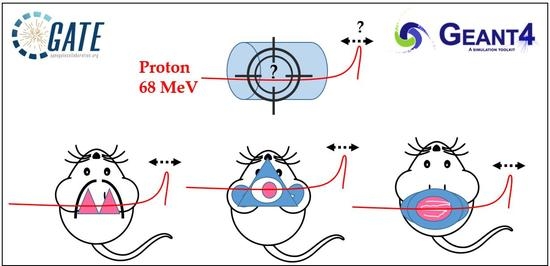
Cancers, Vol. 13, Pages 1889: A Monte Carlo Determination of Dose and Range Uncertainties for Preclinical Studies with a Proton Beam

xloma.fota13 shared this article with you from Inoreader
Via Cancers

cancers-13-01889-ag-550.jpg

Cancers, Vol. 13, Pages 1889: A Monte Carlo Determination of Dose and Range Uncertainties for Preclinical Studies with a Proton Beam

Cancers doi: 10.3390/cancers13081889

Authors: Arthur Bongrand Charbel Koumeir Daphnée Villoing Arnaud Guertin Ferid Haddad Vincent Métivier Freddy Poirier Vincent Potiron Noël Servagent Stéphane Supiot Grégory Delpon Sophie Chiavassa

Proton therapy (PRT) is an irradiation technique that aims at limiting normal tissue damage while maintaining the tumor response. To study its specificities, the ARRONAX cyclotron is currently developing a preclinical structure compatible with biological experiments. A prerequisite is to identify and control uncertainties on the ARRONAX beamline, which can lead to significant biases in the observed biological results and dose–response relationships, as for any facility. This paper summarizes and quantifies the impact of uncertainty on proton range, absorbed dose, and dose homogeneity in a preclinical context of cell or small animal irradiation on the Bragg curve, using Monte Carlo simulations. All possible sources of uncertainty were investigated and discussed independently. Those with a significant impact were identified, and protocols were established to reduce their consequences. Overall, the uncertainties evaluated were similar to those from clinical practice and are consid ered compatible with the performance of radiobiological experiments, as well as the study of dose–response relationships on this proton beam. Another conclusion of this study is that Monte Carlo simulations can be used to help build preclinical lines in other setups.

View on the web

Long-term, Time-course Evaluation of Ligamentum Flavum Hypertrophy Induced by Mechanical Stress: An Experimental Animal Study

xloma.fota13 shared this article with you from Inoreader
imageStudy Design. Experimental animal study. Objective. The aim of this study was to clarify chronological effects of mechanical stress on ligamentum flavum (LF) using a long-term fusion rabbit model. Summary of Background Data. LF hypertrophy is a major pathology of lumbar spinal stenosis (LSS), but its mechanism remains unclear. We previously demonstrated mechanical-stress-induced LF hypertrophy with a rabbit model. However, we only investigated LFs at a single time point in the short-term; the effects of long-term mechanical stress have not been elucidated. Methods. Eighteen-week-old male New Zealand White rabbits were randomly divided into two groups: the mechanical stress group underwent L2–3 and L4–5 posterolateral fusion and resection of the L3–4 supraspinal muscle, whereas the control group underwent only surgical exposure. Rabbits were sacrificed 16 and 52 weeks after the procedure. Axial specimens of LFs at L3–4 were evaluated histologically. Immunohistochemistry for alpha-smooth muscle actin (α-SMA) was performed to assess the numbers of vessels and myofibroblasts. Results. In the mechanical stress group, LFs at the L3–4 level exhibited hypertrophy with elastic fiber disruption and cartilage matrix production at 16 and 52 weeks. A trend test indicated that mechanical stress induced LF hypertrophy, elastic fiber disruption, and cartilage matrix production in a time-dependent manner, with the lowest levels before treatment and the highest at 52 weeks. Immunostaining for α-SMA showed similar numbers of vessels in both groups, whereas the percentage of myofibroblasts was significantly larger at 16 and 52 weeks in the mechanical stress group than in the control group. Conclusion. We demonstrated that long-term mechanical stress caused LF hypertrophy with progressive elastic fiber disruption and cartilage matrix production accompanied by enhanced myofibroblasts. In addition, the reported rabbit model could be extended to elucidate the mechanism of LF hypertrophy and to develop new therapeutic strategies for LSS by preventing LF hypertrophy. Level of Evidence: SSSSS
View on the web

Predictors of Superior Recovery Kinetics in Adult Cervical Deformity Correction: An Analysis Using a Novel Area Under the Curve Methodology

xloma.fota13 shared this article with you from Inoreader
imageStudy Design. Retrospective review of a prospective database. Objective. The aim of this study was to identify demographic, surgical, and radiographic factors that predict superior recovery kinetics following cervical deformity (CD) corrective surgery. Summary of Background Data. Analyses of CD corrective surgery use area under the curve (AUC) to assess health-related quality of life (HRQL) metrics throughout recovery. Methods. Outcome measures were baseline (BL) to 1-year (1Y) health-related quality of life (HRQL) (Neck Disability Index [NDI]). CD criteria were C2-7 Cobb angle >10°, coronal Cobb angle >10°, C2-C7 sagittal vertical axis (cSVA) >4 cm, TS-CL >10°, or chin-brow vertical angle >25°. AUC normalization divided BL and postoperative outcomes by BL. Normalized scores (y axis) were plotted against follow-up (x axis). AUC was calculated and divided by cumulative follow-up length to determine overall, time-adjusted recovery (Integrated Health State [IHS]). IHS NDI was stratified by quartile, uppermost 25% being "Superior" Recovery Kinetics (SRK) versus "Normal" Recovery Kinetics (NRK). BL demographic, clinical, and surgical information predicted SRK using generalized linear modeling. Results. Ninety-eight patients included (62 ± 10 years, 28 ± 6 kg/m2, 65% females, Charlson Comorbidity Index: 0.95), 6% smokers, 31% smoking history. Surgical approach was: combined (33%), posterior (49%), anterior (18%). Posterior levels fused: 8.7, anterior: 3.6, estimated blood loss: 915.9ccs, operative time: 495 minutes. Ames BL classification: cSVA (53.2% minor deformity, 46.8% moderate), TS-CL (9.8% minor, 4.3% moderate, 85.9% marked), horizontal gaze (27.4% minor, 46.6% moderate, 26% marked). Relative to BL NDI (Mean: 47), normalized NDI decreased at 3 months (0.9 ± 0.5, P = 0.260) and 1Y (0.78 ± 0.41, P 

View on the web

A Comparison of Three Different Positioning Techniques on Surgical Corrections and Postoperative Alignment in Cervical Spinal Deformity (CD) Surgery

xloma.fota13 shared this article with you from Inoreader
imageStudy Design. Retrospective review of a prospective multicenter cervical deformity database. Objective. To examine the differences in sagittal alignment correction between three positioning methods in cervical spinal deformity surgery (CD). Summary of Background Data. Surgical correction for CD is technically demanding and various techniques are utilized to achieve sagittal alignment objectives. The effect of different patient positioning techniques on sagittal alignment correction following CD remains unknown. Methods. Patients with sagittal deformity who underwent a posterior approach (with and without anterior approach) with an upper instrumented vertebra of C6 or above. Patients with Grade 5, 6, or 7 osteotomies were excluded. Positioning groups were Mayfield skull clamp, bivector traction, and halo ring. Preoperative lower surgical sagittal curve (C2–C7), C2–C7 sagittal vertical axis (cSVA), cervical scoliosis, T1 slope minus cervical lordosis (TS–CL), T1 slope (T1S), chin-brow vertebral angle (CBVA), C2–T3 curve, and C2–T3 SVA was assessed and compared with postoperative radiographs. Segmental changes were analyzed using the Fergusson method. Results. Eighty patients (58% female) with a mean age of 60.6 ± 10.5 years (range, 31–83) were included. The mean postoperative C2–C7 lordosis was 7.8° ± 14 and C2–C7 SVA was 34.1 mm ± 15. There were overall significant changes in cervical alignment across the entire cohort, with improvements in T1 slope (P  0.05). The majority of segmental lordotic correction was achieved at C4–5–6 (mean 6.9° ± 11). Additionally, patients who had bivector traction applied had had significantly more segmental correction at C7–T1–T2 compared with Mayfield and halo traction (4.2° vs. 0.3° vs. –1.7° respectively, P 
View on the web

Association Between Text Neck and Neck Pain in Adults

xloma.fota13 shared this article with you from Inoreader
imageStudy Design. Observational cross-sectional study. Objective. The aim of this study was to investigate the association between text neck and neck pain (NP) in adults. Summary of Background Data. It has been hypothesized that the inappropriate neck posture adopted when texting and reading on a smartphone, called text neck, is related to the increased prevalence of NP. Methods. The sample was composed of 582 volunteers aged between 18 and 65 years. Sociodemographics, anthropometrics, lifestyle, psychosocial, NP, and smartphone use-related questions were assessed by a self-reported questionnaire. Text neck was assessed by measuring the cervical flexion angle of the participants standing and sitting while typing a text on their smartphones, using the Cervical Range of Motion (CROM) device. Results. Multiple logistic regression analysis and linear regression analysis showed the cervical flexion angle of the standing participant using a smartphone did not associate with the prevalence of NP (odds ratio [OR] = 1.00; 95% confidence interval [CI]: 0.98–1.02; P = 0.66), NP frequency (OR = 1.01; 95% CI: 1.00–1.03; P = 0.056), or maximum NP intensity (beta coefficient = −5.195 × 10⁻⁵; 95% CI: −0.02 to 0.02; P = 0.99). Also, the cervical flexion angle of the sitting participant using the smartphone did not associate with NP (OR = 0.99; 95% CI: 0.98–1.01; P = 0.93), NP frequency (OR = 1.01; 95% CI: 0.99–1.02; P = 0.13), or maximum NP intensity (beta coefficient = 0.002; 95% CI: −0.002 to 0.02; P = 0.71). Conclusion. Text neck was not associated with prevalence of NP, NP frequency, or maximum NP intensity in adults. Level of Evidence: 4
View on the web

Machine Learning Predicts the 3D Outcomes of Adolescent Idiopathic Scoliosis Surgery Using Patient–Surgeon Specific Parameters

xloma.fota13 shared this article with you from Inoreader
imageStudy Design. Retrospective descriptive, multicenter study. Objective. The aim of this study was to predict the three-dimensional (3D) radiographic outcomes of the spinal surgery in a cohort of adolescent idiopathic scoliosis (AIS) as a function preoperative spinal parameters and surgeon modifiable factors. Summary of Background Data. Current guidelines for posterior spinal fusion surgery (PSF) in AIS patients are based on two-dimensional classification of the spinal curves. Despite the high success rate, the prediction of the 3D spinal alignment at the follow-ups remains inconclusive. A data-driven surgical decision-making method that determines the combination of the surgical procedures and preoperative patient specific parameters that leads to a specific 3D global spinal alignment outcomes at the follow-ups can lessen the burden of surgical planning and improve patient satisfaction by setting expectations prior to surgery. Methods. A dataset of 371 AIS patients who underwent a PSF with two-year follow-up were included. Demographics, 2D radiographic spinal and pelvic measurements, clinical measurements of the trunk shape, and the surgical procedures were collected prospectively. A previously developed classification of the preoperative global 3D spinal alignment was used as an additional predictor. The 3D spinal alignment (vertebral positions and rotations) at two-year follow-up was used as the predicted outcome. An ensemble learner was used to predict the 3D spinal alignment at two-year follow-up as a function of the preoperative parameters with and without considering the surgeon modifiable factors. Results. The preoperative and surgical factors predicted three clusters of 3D surgical outcomes with an accuracy of 75%. The prediction accuracy decreased to 64% when only preoperative factors, without the surgical factors, were used in the model. Predictor importance analysis determined that preoperative distal junctional kyphosis, pelvic sagittal parameters, end-instrumented vertebra (EIV) angulation and translation, and the preoperative 3D clusters are the most important patient-specific predictors of the outcomes. Three surgical factors, upper and lower instrumented vertebrae, and the operating surgeon, were important surgical predictors. The role of surgeon in achieving a certain outcome clusters for specific ranges of preoperative T10-L2 kyphosis, EIV angulation and translation, thoracic and lumbar flexibilities, and patient's height was significant. Conclusion. Both preoperative patient-specific and surgeon modifiable parameters predicted the 3D global spinal alignment at two-year post PSF. Surgeon was determined as a predictor of the outcomes despite including 20 factors in the analysis that described the surgical moves. Methods to quantify the differences between the implemented surgeon modifiable factors are essential to improve outcome prediction in AIS spinal surgery. Level of Evidence: 3
View on the web

Alcohol Abuse and Alcohol Withdrawal Are Associated with Adverse Perioperative Outcomes Following Elective Spine Fusion Surgery

xloma.fota13 shared this article with you from Inoreader
imageStudy Design. Cross-sectional study. Objective. Alcohol abuse (AA) and alcohol withdrawal (AW), both belonging to alcohol use disorders, bring about vast health consequences, social issues, and financial burden in United States. This study aims to explore the relationship of AA and AW with perioperative outcomes following elective spine fusion surgery. Summary of Background Data. Large studies evaluating the outcomes of spine surgery in patients with AA or AW are lacking. Methods. We used the National Inpatient Sample (NIS) from 2006 to 2014 to extract records with a primary procedure of spinal fusion surgery. Multivariable regression analysis was used to assess the association of AA and AW with in-hospital mortality, perioperative complications, cost and length of stay (LOS). Results. Among 3,132,192 patients undergoing elective spinal fusion surgery, the prevalence of AA and AW was 1.14% (35,833) and 0.15% (4623), respectively. Among the AA admissions, 12.90% of patients developed AW. The incidence of overall complications was 6.14%, 10.15%, and 33.73% in patients without AA, with AA and with AW, respectively. After multivariable adjustment, AW was associated with elevated risk of overall complications (odds ratio [OR]: 4.51; 95% confidence interval [CI]: 3.86–5.27), neurologic (OR: 2.58; 95% CI: 1.62–4.12), respiratory (OR: 8.04; 95% CI: 6.62–9.77), cardiac (OR: 3.58; 95% CI: 2.60–4.93), gastrointestinal (OR: 2.31; 95%CI: 1.68–3.17), urinary and renal (OR: 2.68; 95% CI: 2.11–3.39), venous thromboembolism (OR: 3.06; 95% CI: 1.94–4.82), wound-related complications (OR: 3.84; 95% CI: 2.96–4.98) and in-hospital mortality (OR: 5.95; 95% CI: 3.25–10.90). AW was also linked to 40% higher cost and 85% longer LOS. Conclusion. Both AA and AW are associated with adverse outcomes in patients undergoing spinal fusion surgery with more pronounced risks for AW. Aggressive management in perioperative period is required to improve outcomes in these patients. Level of Evidence: 3
View on the web

The Minimum Clinically Important Difference for Patient Health Questionnaire-9 in Minimally Invasive Transforaminal Interbody Fusion

xloma.fota13 shared this article with you from Inoreader
imageStudy Design. Retrospective cohort. Objective. To investigate and establish minimum clinically important differences (MCID) for Patient Health Questionnaire-9 (PHQ-9) among patients undergoing minimally invasive transforaminal lumbar interbody fusion (MIS TLIF). Summary of Background. Spine surgery is linked to postoperative improvements in anxiety, depression, and mental health. These improvements have been documented using patient-reported outcome measures such as PHQ-9. Few studies evaluated the clinical significance of PHQ-9 for lumbar spine surgery. Methods. Patients who underwent single-level, primary MIS TLIF from 2015 to 2017 were retrospectively reviewed in a prospective database. Patients with incomplete preoperative and 2-year postoperative PHQ-9 surveys were excluded. Demographic and perioperative characteristics were recorded. PHQ-9, 12-Item Short Form (SF-12), and Veterans RAND 12-Item Health Survey (VR-12) Mental Component Summary (MCS) were collected at preoperative, 6-week, 12-week, 6-month, 1-year, and 2-year intervals. MCID was calculated using anchor and distribution-based methods. SF-12 served as an anchor. MCID was assessed using mean change methodology, four receiver operating characteristic curve assessments, and standard error measurement. Cutoff values were selected from receiver operating characteristic curve analysis. MCID achievement rates for all patient-reported outcome measures were calculated. Results. A total of 139 patients met inclusion criteria, with a mean age of 55 years and 39% females. The most common spinal pathology was radiculopathy (92%). MCID analysis revealed the following ranges of values: 2.0 to 4.8 (PHQ-9), 6.7 to 12.1 (SF-12 MCS), and 7.5 to 15.9 (VR-12 MCS). Final MCID thresholds were 3.0 (PHQ-9), 9.1 (SF-12 MCS), and 8.1 (VR-12 MCS). MCID achievement at 2-years for PHQ-9, SF-12 MCS, and VR-12 MCS was 89.2%, 85.6%, and 84.9% respectively. Conclusion. Our 2-year postoperative MCID analysis is the first mental health calculation from an MIS TLIF cohort. We report a 2-year MCID value for PHQ-9 of 3.0 (2.0–4.8). MCID values for mental health instruments are important for determining overall success of lumbar spine surgery. Level of Evidence: 3
View on the web

Validation of the Yoruba Version of the Pain Self-Efficacy Questionnaire in Patients with Chronic Low Back Pain

xloma.fota13 shared this article with you from Inoreader
imageStudy Design. Cultural adaptation and psychometric analysis. Objective. This study determined the test–retest reliability, acceptability, internal consistency, divergent validity of the Yoruba pain self-efficacy questionnaire (PSEQ-Y). It also examined the ceiling and floor effects and the small detectable change (SDC) of the PSEQ-Y among patients with chronic low back pain (LBP). Summary of Background Data. There are various indigenous language translations of the PSEQ and none adapted to African language. However, translations of the PSEQ into Nigerian languages are not readily available. Methods. The validity testing phase of the study involved 131 patients with LBP, while 83 patients with LBP took part in the reliability phase. Following the Beaton recommendation for cultural adaptation of instruments, the PSEQ was adapted into the Yoruba language. The psychometric properties of the PSEQ-Y determined comprised: internal consistency, divergent validity, test–retest reliability, and SDC. Results. The mean age of the participants was 52.96 ± 17.3 years. The PSEQ-Y did not correlate with the Yoruba version of Visual Analogue Scale (VAS-Y) scores (r = –0.05; P = 0.59). The values for the internal consistency and the test–retest reliability of the PSEQ-Y were 0.79 and 0.86, with the 95% confidence interval of the test–retest reliability ranging between 0.82 and 0.90. The standard error of measurement (SEM) and the SDC of the PSEQ-Y were 1.2 and 3.3, respectively. The PSEQ-Y had no floor or ceiling effect, as none of the respondents scored either the minimal or maximal scores. Conclusion. This is the first study in Nigeria to culturally adapt PSEQ. The PSEQ-Y showed adequate psychometric properties similar to existing versions. Therefore, the tool can be used to assess pain self-efficacy in clinical and research settings and help to improve the health outcomes of patients chronic LBP. Level of Evidence: 3
View on the web

Use and Cost of Orthosis in Conservative Treatment of Acute Thoracolumbar Fractures: A Survey of European and North American Experts

xloma.fota13 shared this article with you from Inoreader
imageStudy Design. Survey study. Objective. Assess practices and opinions of spine specialists from Europe and North America on orthosis use in adult patients with acute thoracolumbar (TL) fractures. Evaluate cost of the devices. Summary of Background Data. Although orthosis are traditionally used in conservative treatment of TL fractures, recent systematic reviews showed no benefit in patient's outcomes. Methods. A search for contact authors with publications on spine fractures from all European and North American countries was performed. An online questionnaire was sent on demographic data, practice setting, mean number of fractures treated, use of orthosis upon choice for conservative treatment, and average orthosis cost. Data was analyzed based in world regions, economic rank of the country, and health expenditure. Results. We received 130 answers, from 28 European and five North American countries. Most responders had more than 9 years of practice and worked at a public hospital. 6.2% did not prescribe a brace in any patient with acute TL fractures conservatively treated and 11.5% brace all patients. In a scale from 1 to 5, 21 considered that there is no/low benefit (1) and 14 that bracing is essential (5), with a mean of 3.18. Europeans use orthosis less commonly than North Americans (P 
View on the web

Thoracolumbar Burst Fracture: McCormack Load-sharing Classification: Systematic Review and Single-arm Meta-analysis

xloma.fota13 shared this article with you from Inoreader
imageStudy Design. A systematic review and single-arm meta-analysis of randomized clinical trials. Objective. The aim of this study was to evaluate whether the load-sharing classification (LSC) is reliable to predict the best surgical approach for thoracolumbar burst fracture (TBF). Summary of Background Data. There is no previous review evaluating the efficacy of the use of LSC as a guide in the surgical treatment of burst fractures. Methods. On April 19th, 2019, a broad search was performed in the following databases: EMBASE, PubMed, Cochrane, SCOPUS, Web of Science, LILACS, and gray literature. This study was registered on the International Prospective Register of Systematic Reviews. We included clinical trials involving patients with TBF undergoing posterior surgical treatment, classified by load-sharing score, and that enabled the analysis of the outcomes loss of segmental kyphosis and implant failure (IF). We performed random- or fixed-effects models meta-analyses depending on the data homogeneity. Heterogeneity between studies was estimated by I2 and τ2 statistics. Results. The search identified 189 references, out of which nine studies were eligible for this review. All articles presenting LSC up to 6 proved to be reliable in indicating that only posterior instrumentation is necessary, without screw failures or loss of kyphosis correction. For cases where the LSC was >6, only 2.5% of the individuals presented IF upon posterior approach alone. For loss of kyphosis correction, only 5% of patients had this outcome where LSC >6. For both outcomes together, we had 6% of postoperative problems (I2 = 77%, τ2 6, the risk of implant breakage and loss of kyphosis correction in posterior fixation alone is low. Thus, other factors should be considered to define the best surgical approach to be adopted. Level of Evidence: 1
View on the web